Women, Booze, and Stress

Alcohol use among women is up…by a lot. According to a study conducted by JAMA Psychiatry rates of alcohol use, high risk alcohol use, and alcohol use disorder have all increased considerably among women from 2001-2002 to 2012-2013. The study also noted considerable increases in alcohol use among minorities and older adults.

While there has been a recent spotlight on opioid and prescription drug use, alcohol use has quietly been climbing and deaths attributed to alcohol continue to rival any other substance. High risk drinking, which was defined in the study as women consuming more than 4 drinks per day or men consuming more than 5 drinks per day increased by 30% between 2001-2002 to 2012-2013. Among women specifically, high risk drinking increased by nearly 60%.

When looking at problem drinking, which is defined as alcohol abuse that causes recurrent problems in daily life or alcohol dependence, rates among women increased by an alarming 84% within the ten-year time span. While men are still more likely to be problem drinkers than women, women are quickly catching up.

Binge drinking among women, which per The National Institute on Alcohol Abuse and Alcoholism (NIAA), is defined as 4 drinks or more in a two-hour period has also increased considerably- especially among older women. From 1997-2014 rates of binge drinking among men over 60 have stayed fairly steady, while rates for women over 60 have increased an average of 4% each year.

Women are known to be more sensitive to the damaging effects of alcohol. Aside from having generally a smaller stature than men, women also tend to have more body fat and less water (which dissolves alcohol) in their bodies compared to men, and tend to have less alcohol dehydrogenase- an important enzyme that helps our bodies break down alcohol.
alcohol3

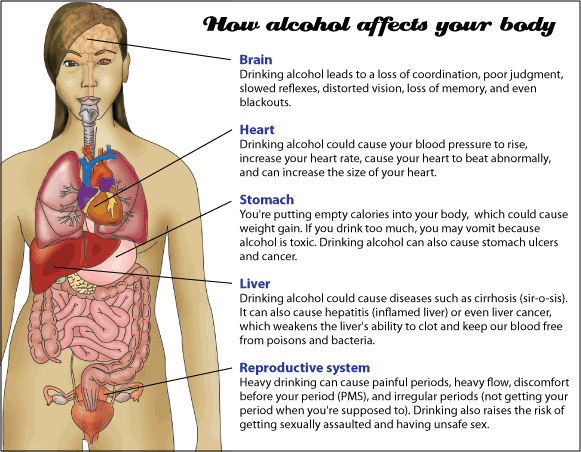
The Centers for Disease Control defines heavy drinking as being more than 15 alcoholic drinks for a man per week or 8 drinks per week for a woman. Excessive alcohol use among women has been associated to cancer, heart disease, high blood pressure, stroke, gastrointestinal distress, liver damage, and brain atrophy among other health problems.

Researchers have theorized that with more women entering the work force and confronting demands of work-life balance, alcohol may be a way of coping with increased stress loads. Additionally, women can be faced with sexism, lower wages, job uncertainty, and exposure to trauma.

Throughout the media, heavy drinking among women has been normalized and in many cases associated with attractiveness, likability, and humor. There is less shame or guilt around alcohol use compared to other substances. Alcohol use is often socially acceptable and at times, even expected. A woman’s sobriety at the bachelorette party or girl’s night out may be critiqued more so than if she were to get buzzed or intoxicated.


alcohol1alcohol2

As Oregonians and even more so, as Central Oregonians, it is hard to ignore the booze culture as trendy breweries seem to be popping up all around us. Booze tourism is serious business and the allure of what’s next on the horizon can be in all senses of the word, intoxicating. For many it is hard to contemplate fun or social outings without alcohol in the equation. It is easy to become desensitized to consequences and long-term implications.

Ultimately, while brew cycles and craft beers can be enjoyed responsibly, it is important that we maintain a realistic and frank dialogue about the very real dangers alcohol encompasses. If you or a loved on is struggling with alcohol know that there is help and certainly, know that you are not alone.

As always, thanks for listening everyone!

Wishing you health and vitality.

With gratitude,

2017-09-09 Audry VanHouweling Headshots (2 of 2)

Audry Van Houweling, PMHNP-BC, Owner & Founder She Soars Psychiatry, LLC

541-595-8337/Sisters & Silverton, Oregon/ www.shesoarspsych.com


Don’t Chase Resolutions, Chase Habits

The New Year is upon us. It is that time of year again when we feel a surge of inspiration to tackle those resolutions- lose weight, quit smoking, read more books, travel—you know the drill. The beginning of a new year can feel like a fresh start, which at least for a while can jump-start our motivation into action.

Now for the bad news…most resolutions fail. We start the year feeling optimistic and then all too often life seems to get in the way and our motivation dwindles. Sound familiar? Many of us have our sights set on an outcome and rely on motivation to take us there. Ultimately however, motivation is all too fleeting.

Have you ever heard someone speak, watched a powerful movie, or read something that spoke to you and compelled you to make change? We have all had experiences when we heard or saw something that was incredibly “motivating”. In the moment we feel convinced that we will make changes, yet often fail to fill in the blanks of how we will accomplish this change and again, motivation is not enough.

habits

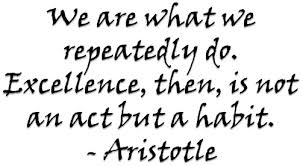
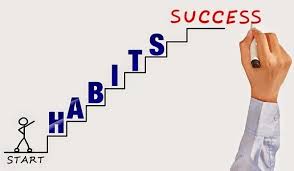
Let’s put resolutions and motivation aside and instead talk about habits. Habits demand practice and practice makes habit. Habits also take commitment and intentionality. Starting a new habit can feel unfamiliar and therefore, demands planning. For example, if you want to start exercising in 2018 that is wonderful, but now it is time to ask why, when, where, and how?

habits2

Asking “why” is important. It helps us clarify the importance of developing new habits. Why do you want to start exercising? To be fit? To be strong? Why is being fit or strong important to you? Do you want to feel more energy, be more attractive? Why then is that important to you? Are you attempting to make changes for yourself or someone else?

The “when” can be particularly important especially with our tight schedules, kids, and other priorities. Look at your planner, think about how long you are going to exercise, write it down, schedule it, be intentional, and be realistic! If you need to, let those around you know about your plans for both accountability and to avoid disruption.

“Where” is this exercise going to take place? I live in the Pacific Northwest and while I prefer to breathe fresh air, weather can be a hindrance. Are you going to bundle up? Get a gym membership? Find some open floor space in your home?

“How” are you going to exercise? What are you actually going to do in the gym, outside, or at home? Are you going to link up with a buddy or partner to help with accountability?  Do you need a new pair of gym shoes? Do you need to set an alarm?

Be realistic with yourself. Be patient- it is okay to start slow. If you want to run a half marathon, but have spent more time on your couch then on your feet in 2017, a 15 minute brisk walk may be your first step.

Be committed. Set a goal and stick to it. There will be days when staying committed sounds like a drag- perhaps most days if you are just getting started. Go back to the reasons why staying committed is important to you. Showing up can truly be half the battle.

Give yourself pats on the back. Congratulate yourself when you do the work and most importantly, remember to judge your own success- not that of somebody else.

Happy2017-09-09 Audry VanHouweling Headshots (2 of 2) New Year Everyone!

Cheers to becoming creatures of habit!

With gratitude,

Audry Van Houweling, Owner & Founder, She Soars Psychiatry, LLC

Sisters & Silverton, Oregon  www.shesoarspsych.com

Social Media & The Curse of Comparison- From a Perfectionist in Recovery

I would like to think I am a perfectionist in recovery. Not so long ago I put a high price on external measures of success. The perfect house, the perfect job, the perfect marriage, an avid people pleaser, and feeling like I was running a race with no finish line. Like many healthcare providers, I struggled to follow my own advice when it came to self-care, setting boundaries, and granting myself grace. As I have been more intentional about embracing unpredictability, vulnerability, and giving myself permission to question society’s standards, I have recovered feelings of authenticity, contentment, and joy- although this is certainly an ongoing process!

It is human nature to compare ourselves against others. There has always been a pressure from generation to generation to “keep up with the Joneses”. Of course, who the “Joneses” are has changed overtime. For instance, you have had to replace those lovely harvest gold or avocado appliances once so chic with white or black and then to stainless-steel appliances, and now somehow to smart appliances that can order your milk for you.

avocodo

The way in which we compare has also changed. If we go back a century, our means to compare was based primarily on face-to-face interactions had with neighbors, coworkers, family members, and people within our immediate communities. As transportation and media progressed, we gained greater exposure to different beliefs and lifestyles that we could then contrast against our own. The means for gossip and comparison continued to expand with the telephone, email, the cell phone, the smart phone, and then of course, social media.

For many of us, logging into our social media accounts has become as habitual and normalized as drinking water or eating and in fact, without this ever-present doorway into each other’s lives, some of us can indeed feel deprived or disconnected. In this two-dimensional world, we are often presented with each other’s best moments—filtered, edited, cropped, and portraykeeping-up-with-the-jonesesing a social ideal that is in many ways unattainable. As we scroll through our feeds however, it is hard not to judge ourselves against the smiles, highlights, and achievements posted by our peers. Furthermore, we feel compelled to capture the very ‘best’ of ourselves and then measure our social standing by how many likes or positive comments we can collect.

As a woman I feel this phenomenon to be particularly pervasive. Women and girls are already expected to achieve unrealistic standards regardless; however, our tendency to people please, hide from vulnerability, and cover up our flaws is taken to a new level with social media. Many of us strive to portray perfection in our appearance, perfect family photos, our relationships, motherhood, our impressive exercise routine, and our financial success.

In the end, our need to compare and attempt to keep up with the Joneses comes from a deep need for validation and acknowledgement. Everyone wants to feel important and noticed from time to time; yet in putting forth an edited and filtered version of who we are, the acknowledgement we receive can feel shallow and dissatisfying as we continue to trade an idealized image for authenticity. This can ultimately be isolating especially if the allure of the two-dimensional world supersedes opportunities for three-dimensional, face-to-face human contact. Using social media as the platform for self-portrayal can ultimately rob us from the feeling of being truly known for who we really are. Thus, despite our widespread connectivity, many of us continue to feel lonely, misunderstood, and unfulfilled.

comparison joy

Bringing awareness to our social media habits is a crucial first step to making change. A social media hiatus can be very refreshing. Recognizing the fallacy and unrealistic standards portrayed on our social media feed is important. Prioritizing face-to-face relationships where you can express the totality of who you are is paramount. Appreciate the achievements of others, but embrace your own uniqueness. Be the best version of yourself—not someone else.

With gratitude,2017-09-09 Audry VanHouweling Headshots (2 of 2)

Audry Van Houweling, PMHNP-BC, Owner & Founder, She Soars Psychiatry, LLC

www.shesoarspsych.com

When Roots Run Deep…Collective & Inter-generational Trauma in a Small Town

I have an unusually strong affinity for small towns. Some people find more energy and excitement in the big city, but to me there is an undeniable allure and richness within the layers, roots, stories, and secrets of generations past that define small town America. I am intrigued by both the triumphs and woes that give a place identity and how this influences the collective consciousness of its residents.

This collective consciousness or energy is much more palpable in a small town. Ripples of change are felt more acutely- more intimately. It is as if you would compare a pebble being tossed in a fish bowl with a pebble being tossed in a lake.

These ripples carry energy- both positive and negative.

Ripples carrying the anticipation of the local parade. The relief from the local festival boosting business. The celebration of the Friday night football victory. The pride of this year’s graduating class. The excitement of a new store or coffee shop coming to town.

download (2)

Ripples also carrying the unease when business gets slow and jobs dissipate. The grief that permeates when somebody passes on. The helplessness of addiction that can swallow communities alive. The desperation felt at Sandy Hook, Sutherland Springs, Roseburg, Blacksburg, and too many others.

Even events that may seem small and commonplace- marriage, divorce, a child’s struggle, illness, financial strife, and more can have significant impacts in a small town as one individual can have so many interconnections with others.

The communities where I currently practice in Oregon- Sisters & Silverton, have been fortunate to enjoy recent economic prosperity, growth, and are both known as desirable destinations. Working in mental health you learn to appreciate stability, but also to look beyond the charm. You learn about grief, bullying, scandal, loss, and family dysfunction with roots dating all the way back to the Oregon Trail.

homepagewide

Trauma in a small town can be both collective in that it is felt by many whether or not they directly experienced the event and/or intergenerational in that the pain can be transferred from one generation to the next.

The intricacies and dynamics of all these interconnections can also create a level of stigma as asking for help can seem too risky or too vulnerable. There may be fear of gossip, a breach of confidentiality, or simply being able to find someone to talk to without bias.

The beauty of small towns however is that in this web of interconnections, deeply rooted generations, and tight knit community is also power. Small acts of kindness are not so small. Creating space for vulnerability and authenticity in our schools, places of worship, and social gatherings can have far reaching impacts. Seeking common ground rather than reinforcing divisions can create a net of safety and acceptance. Valuing community instead of self-reliance. Creating dialogue about the hard stuff- depression, anxiety, grief, addiction, trauma, suicide, and shame can take someone from a place of isolation to empowerment.

Albeit perhaps for selfish reasons, my role as a mental health provider seems to have more significance in a small town when an individual’s progress seems to have more immediate impacts on their family, workplace, school, and ultimately, the community.

In summary, while the place in which we live has an impact on our identify and self-concept, it is also our actions and beliefs that help define and transform a place. In the meantime, I continue to enjoy the great privilege of being part of the small-town experience…and dropping my pebble in the fishbowl.

With gratitude,

Audry Van Houweling, PMHNP-BC, Owner & Founder, She Soars Psychiatry, LLC

www.shesoarspsych.com

2017-09-09 Audry VanHouweling Headshots (2 of 2)


How Selling Bras Made Me a Better Provider: The Lost Art of Customer Service in Medicine

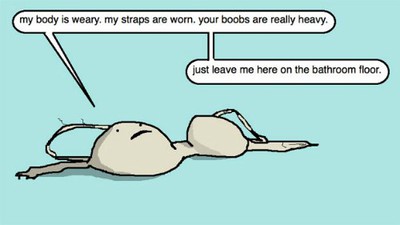
Let’s rewind a bit…I was 18. Having just graduated high school, I was on the hunt for my first real summer job. Feeling determined to find something ‘glamorous’, I landed the all-important job of selling bras for someone named Victoria who had a secret, if you get my gist. I laugh now, but at the time I sure was proud of my black blazer, first set of high heels, and pretending to be an expert in all things feminine.

bras2

Despite the minimum wage, inconsistent hours, and somewhat annoying supermodels starting down at you with condescension from their black and white posters, I can tell you in all seriousness that my years selling intimates have made me a better medical provider.

bras1I worked at “VS” on and off for the next five years through my undergraduate days. The wages did not get much better and the hours were still sporadic, but in addition to feeling suave in my black blazer and heels, I learned a few things about customer service. Certainly, the art of customer service could have been learned elsewhere, but when you deal with women, breasts, bra size, insecurity, and vulnerability, you better be careful with your words, be a good listener, personalize each client’s experience, and treat every woman (and the occasional man) with respect.
Let’s fast forward now to present day. My days of selling bras are long over. I have worked in healthcare for the past 10 years in various locations and facilities and truth be told, when it comes to customer service, “VS” takes the cake…easily. To put it simply, our healthcare system is at the bottom of the barrel when it comes to prioritizing a customer’s experience.

Buying a bra can be downright stressful and even sometimes scary, but going to the doctor can take fear to another level.

Maybe it is just a check-up, but you are terrified of the scale or if the doctor is going to notice that 10 extra pounds. Maybe it is one of those “preventative procedures” we all dread—pap smear or colonoscopy, anyone? Maybe you are awaiting results that are going to dictate your future livelihood. Maybe you are going to disclose your history of trauma or abuse.

And yet when we are at our most vulnerable, we continue to encounter:

  • Long wait times
  • Confusing paperwork
  • Not feeling listened to
  • Poor communication
  • Unnecessary errors
  • Overworked staff
  • Lack of transparency
  • A lack of empathy
  • Sterile office environments
  • Feeling rushed through an appointment

doctor's officepatient

This would not be tolerated at “VS” or any customer service industry. Could you imagine these characteristics describing a restaurant? A hotel? Real estate? Okay yes, maybe the airport. Oh- and the DMV. Point is, most businesses would fail if they operated this way!

It is important to know that many wonderful, well-intended, and extremely knowledgeable providers work in our mainstream healthcare system. I can relate. Many of them are frustrated and disillusioned, but feel stuck. Many of them know that things can be done better, but feel overwhelmed by bureaucracy, which of course makes it hard to feel inspired and passionate, which ultimately impacts patient care and customer service.

It is not the people that are the problem, but the system. In mainstream healthcare, it is not the patient that is the customer, but the third-party payor (your insurance), which is dependent on billing codes that dictate severity and therefore, what the healthcare facility is being reimbursed. Therefore, the patient is not actually the customer, but rather the entity from which reimbursement and codes are derived from. Personally, when I worked in mainstream healthcare, I had far more communication with the billing department than I did with anybody involved in patient satisfaction and in our team meetings, billing, documentation, and insurance dominated the conversation…not customer service.

On the other hand, team meetings at “VS” were serious business. We would role play, troubleshoot, and brainstorm process improvement. We talked about how we greet customers, communicating as a team, our body language, putting aside judgment, and following through. Sounds so applicable, yet so sadly distant from healthcare.

Truth be told, in the midst of other revelations, my years selling bras contributed to my departure from conventional medicine. I had had a glimpse of what prioritizing customer service looked like and I was eager to emulate that personalized experience as a medical provider.

An experience that included:

  • Prompt communication with me. Not a medical assistant, not the nurse, not the receptionist, me.
  • Prompt scheduling.
  • Transparency and true informed consent. We talk about side effects. We talk about options. It is ultimately the client’s decision.
  • Goals are not defined by a standardized rubric, but are designed to meet the circumstances and needs of each client.
  • Being seen on time.
  • Eye contact. Eyes on the patient, not a screen.
  • Reflective listening.
  • Empathy.
  • Holistic care that considers all aspects of wellness.

There is no ‘right way’ to practice medicine, but the art of customer service is too frequently overshadowed by reimbursement and payors. Certainly, there are exceptions out there as some facilities have been compelled whether by reimbursement or patient demands to innovate and truly prioritize the patient experience.

Every healthcare provider is on their own journey. Many providers are still committed to the mainstream model and that is OK especially if they can feel they can thrive not only financially, but professionally and emotionally. For now, I am embracing my journey, happily applying the lessons of my bra selling days, and looking forward to continuing the art of customer service one unique client at a time.

Thanks for listening everyone.

With gratitude,2017-09-09 Audry VanHouweling Headshots (2 of 2)

Audry Van Houweling, Owner & Founder, She Soars Psychiatry, LLC

www.shesoarspsych.com

How to not turn into Scrooge this winter- combattting winter blues and SAD

Word is around my neck of the woods in Central Oregon that this winter is set to rival last year’s (and last year was BAD)…while it is still decent outside I am choosing to be in denial about this, but inevitably I know the snow and the rain is right around the corner. And no, I am not a great skier despite living in Central Oregon, so winter can be a bit of a drag to put it simply.images

images (1)

As I write this, I am listening to the pouring rain across the mountains in Silverton, Oregon– where I maintain a practice. It is damp, dark, and dreary, but thank goodness, the people are wonderful and the town is charming in all seasons. So too is the lovely town of Sisters, Oregon– the home base of my practice.

Irregardless of your optimism, winter may still be a struggle and you are certainly not alone.

Let’s talk about winter blues and seasonal depression- also known as seasonal affective disorder (SAD). Winter blues affect many of us and can be characterized by decreased energy, motivation, a dampened mood, and weight gain. Seasonal depression or seasonal affective disorder however can be downright debilitating characterized by major depression, hopelessness, elevated anxiety, sleep disturbance, and fatigue among other symptoms.

images (2)

Researchers in evolutionary psychiatry have theorized that winter blues and to an extent seasonal depression may have been our body’s way of “slowing down” when resources were few in order that we can preserve our energy to last through the winter months. Eighty-percent of SAD sufferers are women and more predominately, women of child-bearing age. This has been theorized to be due to the high energy demands of pregnancy and the need for energy to be conserved. While this might all make a bit of sense, we live in a 24/7 society where “slowing down” is often not an option for many of us.

The physiology of SAD is multi-faceted; however, when the dark days of winter descend on us, our sleep-wake cycle also known as our circadian rhythm can often be disrupted. Melatonin, the neurotransmitter responsible in part for making us sleepy can become “phase delayed” meaning that it is being secreted on the wrong times of day.  Evidence has also shown that serotonin, another very important neurotransmitter that supports our mood and regulates anxiety, may be in part dependent on light activation. Blue light in particular is transmitted from the back of our retina to the suprachiasmatic nucleus and then to the raphe nuclei where serotonin neurons originate. When light runs short in the winter, the raphe nucleus is not triggered as often and serotonin production may be diminished.

5986036

Practical Ways to Combat SAD

  • Exercise increases serotonin! Bundle up and exercise outside ideally. If you do go to a gym or stay home try to do so in daylight and near a window.
  • Think about trying a winter sport. Yes, I will work on my ski legs.
  • Soak up the sun whenever possible. If you are fortunate to have sunlight, try to spend a minimum of 15 minutes outside. If the sun is not an option, think about investing in a SAD lamp such as this one
  • Laugh and be merry. Enough said. But limit the alcohol- alcohol is a depressant!
  • Stay centered. Practice meditation, which in itself can improve our brain’s signaling and vitality.
  • Eat protein. Amino acids such as L-tryptophan (commonly found in our Thanksgiving turkey), are precursors to neurotransmitters such as serotonin and melatonin.
  • Be sure to take your Vitamin D and get your Vitamin D tested! People can be chronically low in Vitamin D especially in the winter months. I advise taking at least 1000 iu daily of Vitamin D3 daily although some people may need much more to restore healthy levels.
  • Seek help from a healthcare provider or counselor. Seasonal affective disorder can be debilitating. Medication, supplementation, and psychotherapy can help with managing symptoms.


Wishing everyone a safe and joyful winter season. Be kind to yourself.

With gratitude,

2017-09-09 Audry VanHouweling Headshots (2 of 2)

Audry Van Houweling, Owner & Founder She Soars Psychiatry, Sisters/Silverton

http://www.shesoarspsych.com


Being Addicted to Pain & How to Break Free

Addicted to pain? Sounds a bit extreme, ridiculous, perhaps even illogical. But then again, our minds are only sometimes logical and thankfully, many of us are fortunate enough to have filters so we do not have to disclose the inner workings of our thoughts, which if we are all honest, can be disturbing at times to say the least.

Let’s talk about self-sabotage. Let’s talk about all those times when you are yelling insults at someone you love and perhaps you know it is counter-productive, yet continue to do so anyway. Let’s talk about feeling hyper-vigilant and a constant need to be defensive- almost to the point of looking for an argument. Let’s talk about our consumption of the media that may bolster our views, but further intensifies our anger towards whole groups of people who may think differently.

OpposingForces1

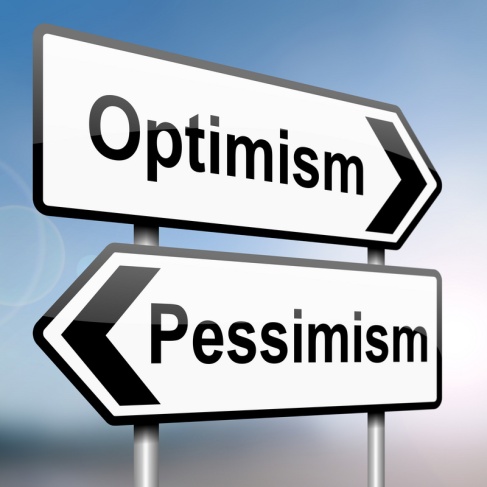
The list could certainly continue, but to put it simply, in many ways our society thrives on fear and justifying anger and pessimism. For many of us feeling stuck, disillusioned, or afraid, we seek to find ways that validate our experience. And thus, we will often find what we are looking for.

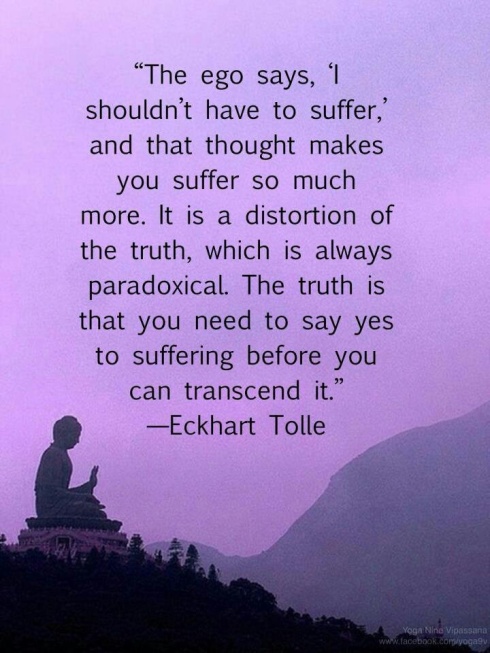
One of my all-time favorite reads is Eckhart Tolle’s, “A New Earth”. It is a must read that discusses our ego’s grasp on our consciousness and how we perceive ourselves and those around us. In this book he describes the phenomena of the “pain body” which he defines as, “the shadow aspect of our being”. Often working without our conscious awareness, the pain body needs to be “fed” in order to survive and it must also evade our conscious recognition of it.

Sometimes the pain body becomes so immense that we can identify almost the totality of who we are with its negative force. This is not uncommon when individuals have faced recurrent trauma, misfortune, grief, and/or loss. We can become consumed by negativity and seek out reasons that support our perpetual glass-half-empty perspective. It may feel foreign or even uncomfortable to seek enjoyment or embrace optimism. It may feel pointless as in the past, the other shoe has always dropped.

It can be hard to acknowledge the “pain body” and in many ways, it means confronting what may be at the foundation of our discontent, which can be in itself a difficult task. Additionally, it can be a challenge to transition from identifying as a victim to empowerment, which comes when we recognize our own ability to transform our perspective, thoughts, and consequently, feelings and experience. On some level this involves self-responsibility, which in many cases can feel unfair and may even evoke resistance as the “pain body” seeks to stay alive and justified.

pessimism-or-optimism-small

Of course, many of us will deny ever seeking out pain, yet when we start becoming aware of our thoughts, words, and actions, it may be a bit startling to recognize how much energy may be spent on maintaining negativity versus joy and positivity. The pain body can be elusive and unrelenting. Once taken over, it often wants more and we can become both the victim and the perpetrator again and again.

We can often feel stuck, overwhelmed, angry, and afraid. The pain body thrives on putting us against others, but also turning us against ourselves. It can make our self-esteem dismal and our self-talk perpetually critical and unforgiving. We want joy on one level, yet inevitably find ourselves drawn to the negative. We may be able to escape our pain body for lengths of time only to be quickly triggered by an event, interaction, or memory.

We can all get stuck in the patterns of the pain body from time to time. How can we break free of its grasp?

Awareness is always the first step to change. We all have countless thoughts passing through our minds every day. Most of us can choose to identify with those thoughts or not. The pain body survives only when we remain unconscious to its grasp and patterns. It loves to stay hidden and in the shadows. Once we can learn to observe and shine light on its force, we can begin to undo the pull it may have on our identity.

Try being a self-observer of your thoughts and feelings. Practice being the witness to your pain body…a watcher. Pain will happen, acknowledge it for what it is and be careful to let it not transform into something it is not. Resist identifying with it. Practice staying present as pain has the tendency to keep us stuck in the past or catapult our anxieties to the future. Question the evidence you may have for a particular thought and what evidence you may have against it. Be your own detective. Is a particular thought helpful to forward progress? Acknowledge the thought, but practice the art of saying, “not now”, or reframing the thought into something less harmful.

In the functional medicine world, our perceptions of how we view ourselves, those around us, and our environment is the foundation of foundations from which both emotional and physical wellness can thrive or be hastened. It can be so easy to find ourselves stuck in negativity, but I am going to do my best to count my blessings and take a few deep breaths. Namaste everybody.

eckhart

Wishing you contentment and vitality.

With gratitude,

Audry Van Houweling, PMHNP-BC, Owner & Founder, She Soars Psychiatry, LLC 

2017-09-09 Audry VanHouweling Headshots (2 of 2)

WHY we must be asking more WHY’s in healthcare…the value of a root cause analysis

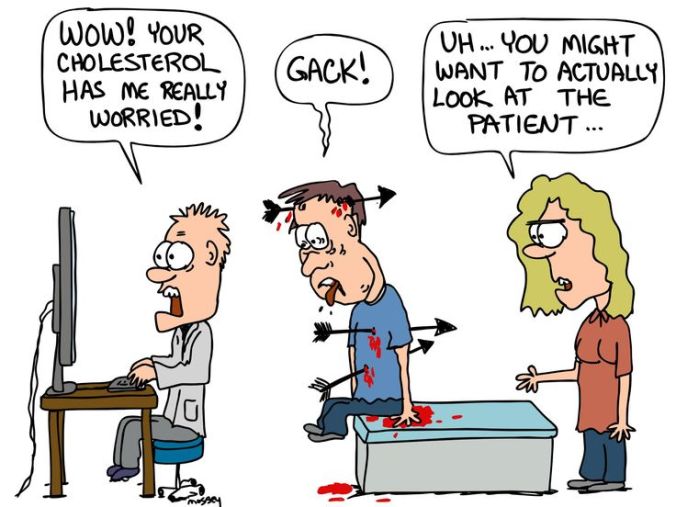
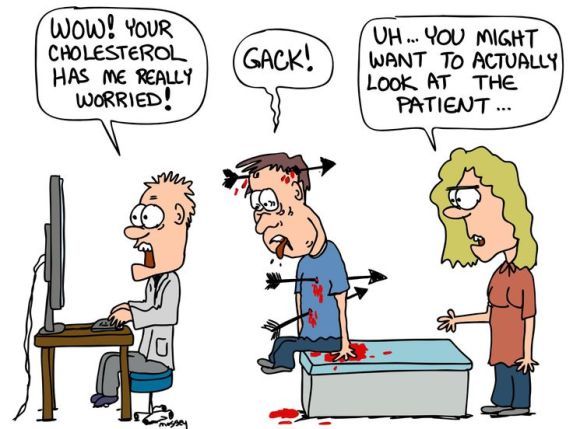
Been to the doctor lately? Likely you have had the typical patient experience- sat in the waiting room past the time of your scheduled appointment, then were ushered back to the exam room, sat probably a bit longer waiting for the provider to actually be ready to see you, and when the provider finally arrives, you rush through your concerns perhaps at the insistence of the provider who might be typing away making only brief eye contact, and then you are handed a prescription 5-10 minutes later, told to rest, drink lots of fluids, and maybe just maybe, to eat healthy and exercise.

patient

Sound familiar? Let me tell you, many of these providers have the very best intentions, but are pressured by multiple factors that may not be readily apparent as you are sitting in front of them trying to feel heard. Providers are pressured to be more and more productive as insurance reimbursements are insufficient and employers struggle to stay afloat. They are pressured to fill their schedule to the max. They feel pressured to have a solution for you, even if it is more of a band-aid. Many of them know the value of preventative medicine. Many of them wish they had more time to foster an actual relationship with you. And sadly, many providers are simply burnt out.

In part, it is why I chose to pursue functional medicine as it allowed me an opportunity to practice medicine in a way that honors the whole context in which symptoms were occurring- physiologically, psychologically, spiritually. It allows me time to develop relationships and time to discuss root causes and the foundations of wellness that are often missed in conventional medicine. Even while working in mental health where more time is allotted compared to primary care, I myself was labeled primarily as a prescriber and thus, clients came to expect a prescription at the end of the session when that may not be what is most appropriate.

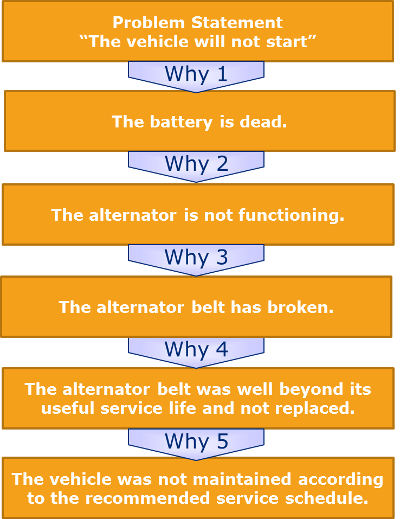
With all the hustle and bustle, conventional medicine misses the opportunity to ask WHY when it comes to your concerns. In the business world asking WHY is important and more commonly known as a root cause analysis. A root cause analysis essentially demands asking WHY about the WHY about the WHY. The “5-WHY” model is a commonly used strategy.

Here’s an example with a car that won’t start:

5-whys-root-cuase-process

Can you imagine if this were done in medicine? Let’s just use the hypothetical example of anxiety- something that is typically addressed by prescribing an anxiolytic medications in the conventional setting. 

  • Anxiety (WHY)
    • WHY #1: Patient states they feel overwhelmed.
      • WHY #2: Patient states they worry about finances and their marriage.
        • WHY #3: Patient states they have been arguing a lot with their spouse and working harder than they should, but still living paycheck to paycheck.
          • WHY #4: Patient states they have a tense relationship with their boss. It is difficult to ask for a raise. A lot of their work-related stress is projected on their spouse.
            • WHY #5: Patient states their boss is intimidating. Patient states they feel taken advantage of.

While medication may mask or numb symptoms from the anxiety, given this example, might it be more sustainable to instead work on empowering the patient to confront their boss or perhaps it is time to look for a new job? Many times, patients know what might be driving their stress, but giving themselves permission to act is another ballgame.

Ready for another example? Let’s take on Type II diabetes- one of our most troubling epidemic.

Here we go:

  • Type II Diabetes (WHY)
    • WHY #1: HbgA1C 7.2, fasting blood sugar 200
      • WHY #2: Patient is classified as obese.
        • WHY #3: Patient feels overwhelmed with trying to exercise and eat healthy.
          • WHY #4: Patient is on food stamps and struggles to afford healthy foods. Patient cannot afford a gym membership and lives in an unsafe neighborhood- so they are uncomfortable exercising outside. Patient is also prescribed medication that increases weight gain.
            • WHY #5: Patient has been on disability for schizophrenia since age 20. Patient has been unable to work, has little support, and has poor self-esteem.


There you have it. It goes back to social reforms, social justice, and addressing the pre-determinants of health & wellness (safety, shelter, food, environment, social connection). Clearly, we cannot expect providers to solve these problems in the course of a 10 minute appointment, but we must try harder to encourage upstream rather than downstream models of healthcare. Providers must also be emboldened to pause, take a step back, reevaluate, and acknowledge the WHY’s with their patients and also with themselves! And remember, providers are not saviors…so if you can do a little root analysis on yourself- you might be surprised what you come up with!

With gratitude,

Audry Van Houweling, Owner & Founder, She Soars Psychiatry, LLC2017-09-09 Audry VanHouweling Headshots (2 of 2)

www.shesoarspsych.com


Heal the gut to heal the mind…

They say your gut is your second brain. We all get “gut feelings” or “butterflies in our tummy”. It is not a surprise that there is often a synchronicity between our feelings and our insides.

For a good introduction of how your gut and brain are connected, watch the below TED talk

Pretty interesting stuff, right?

At She Soars Psychiatry, your gut function is a major focus of restoring your emotional wellness. Your gut and brain are in constant communication with one another.

Depression, anxiety, poor focus, mood instability, autism, and fatigue have all been previously linked to a higher susceptibility to gastrointestinal disorders such as irritable bowel syndrome (IBS), food allergies, ulcerative colitis, and inflammatory bowel diseases.

Your gastrointestinal track houses the enteric nervous system (ENS)- made up of over 100 million nerves in your gut that release neurotransmitters, hormones, and intersect with your immune function. And by the way, your gut plays the starring role in your immune system as it is the primary site where your immune system meets invading organisms. 80% of the immune cells reside in your gut!

Supporting both your gastrointestinal health and emotional wellness is your gut’s microbiome. Your microbiome is essentially the makeup of bacteria in your gut- of which we all have trillions! Did you know your microbiome is estimated to weigh 3lbs? And, we have far more bacteria compared to the cells that our actually our own!

Certain bacteria is known to be more beneficial such as Lactobacilli and Bifidobacterium strains. Other bacteria such as C.difficile, H. Pylori, and E.coli can be more harmful. When there is an imbalance between harmful vs helpful bacteria or a lack of bacterial diversity, dysbiosis can occur. Dysbiosis can also be triggered by stress, environmental toxicity, nutrition, medications, and illness among other factors.

While mechanisms behind how exactly the microbiome supports emotional wellness are not entirely clear, it is clear that they are intimately connected be it through the vagus nerve, hormones, and/or immune responses. Your gut is also a major producer of neurotransmitters. Bifidobacterium strains for example help produce tryptophan- a precursor to serotonin. Did you know that your gut produces between 90-95% of your body’s serotonin? Certainly, if this went awry, depression and anxiety could be possible consequences.

A remarkable study demonstrated that when a fecal transplant of a depressed mouse was given to an “undepressed” mouse, the “undepressed” mouse began exhibiting depressive symptoms including lack of interest and anxiety suggesting a direct connection between your gut’s microbiome and your mood.

Your gut’s microbiome is always fluctuating and is never stagnate. You are born with a sterile gut. Babies born vaginally are exposed to their mother’s microbiota in the birth canal, which is also transferred via breast feeding. It has been shown that individuals born caesarean or who were not breast fed may be more susceptible to dysbiosis, obesity, and immune deficiencies. Much of what we do, eat, and are exposed to can either be helpful or harmful to our gut’s microbiome.

Practical ways to support your gut’s microbiome & emotional wellness:

  1. Minimize refined sugars & processed foods– Sugar is quickly absorbed in the small intestine and can leave the bacteria feeling deprived so that they then start consuming the cells that line your gut, which can lead to intestinal permeability of leaky gut syndrome.
  2. Eat a lot of colorful plants- especially organic vegetables and low glycemic (low sugar) fruits. Plants can supply the gut with helpful bacteria and also act as prebiotics, which are food to the healthy bacteria. Try getting most of your carbohydrates from plants.
  3. Enjoy fermented foods that include an array of helpful bacteria such as kefir, sauerkraut, unprocessed yogurt, and kimchi.
  4. Consider an elimination diet. At least try avoiding grains and dairy for 2-4 weeks. You might notice significant improvements! Corn, soy, eggs, and legumes can also be problematic for some folks. Taking a food first approach to restoring emotional wellness is one of the least invasive, most sustainable, and most affordable strategies!
  5. Consider taking a probiotic (a good one that is). Taking a high-quality probiotic can help repopulate your gut with healthy bacteria. Probiotics can help improve your digestion, mood, immune function, and energy levels.
  6. Try avoiding antibiotics when possible. Certainly, antibiotics have their place, but excess use can cause havoc for the microbiome as healthy bacteria may be compromised and diversity of bacteria lessened.
  7. Support your digestion! Make sure to drink lots of water and consume fibrous foods. Antacids or proton-pump-inhibitors (PPIs) can deplete stomach acid, which is an important part of supporting your microbiome. Digestive enzymes and glutamine- the primary amino acid support your gut lining can also be helpful.
  8. Practice mindfulness, gratitude, & meditation. Chronic stress can perpetuate chronic inflammation and the release of inflammatory cytokines in the gut. Getting a handle on our stress can help slow the inflammatory cascade and allow our gut to heal.

Restoring emotional wellness & gut function go hand in hand. We look forward to helping you navigate this journey at She Soars Psychiatry.

2017-09-09 Audry VanHouweling Headshots (2 of 2)

May you be well!

With gratitude,

Audry Van Houweling, Owner & Founder, She Soars Psychiatry, LLC

Reclaiming our hormones & their influence on emotional well-being

Oh hormones…it seems you are my worst enemy and my best friend depending on the day. Sometimes you make me happy, sometimes you make me sad, and sometimes you make my husband fear you. Ladies, I think we can all relate.

PMS1

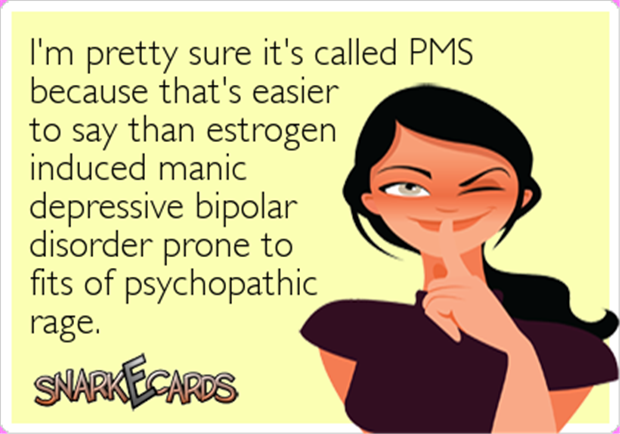
How many times have people accused you of being “hormonal”? Feels a bit sexist, right? Was it your significant other as is often typical? I think it’s about time as women that we take this term back- reclaim it. My response is, “Well yes, I am hormonal and in fact, my hormones probably made you attracted to me in the first place. Thank you very much”.

pms5

As women we experience dynamic hormone transitions throughout our lives. Whether it is our monthly cycle that may be predictable or highly unpredictable, pregnancy, lactation, and/or menopause, we have all experienced the force of our body’s messengers. Sometimes these changes and transitions are rejuvenating, sometimes just tolerable, sometimes comical, but sometimes they can cause serious disruptions in our mood and overall vitality.

funny-pms-women-quotes

In conventional psychiatry, there is an acknowledgment that hormones may play a role in emotional wellness, yet it remains rare that hormone levels and function are actually tested for and considered with making treatment decisions. Unfortunately, too often psychotropic medications such as antidepressants or mood stabilizers are prescribed without a second thought to addressing hormone balance. Clients may meet every criterion for clinical major depressive disorder and per recommendations, would be a “good candidate” for an antidepressant, and yet lab tests may reveal significant hormone imbalances such as thyroid dysfunction, which when corrected remedies the depressive symptoms. Go figure!

funny-pms.png

At She Soars Psychiatry, we focus on hormones that we feel are most implicated in influencing your emotional wellness.

For the sake of maintaining your focus, I will not get too wordy with the science, but if there is a take home message, please consider getting your hormones checked before jumping to the conclusion that you have a “mood disorder”. Here are some noteworthy hormones worth consideration.

Noteworthy hormones for women:

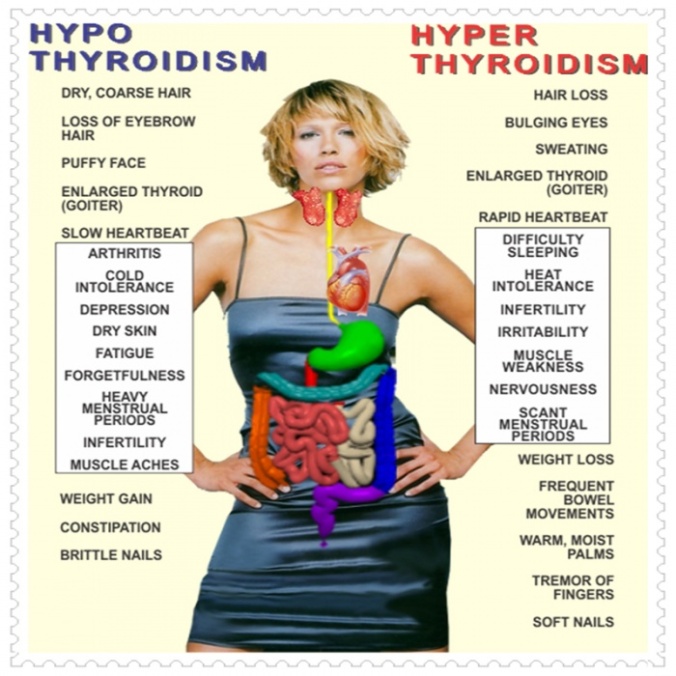
Thyroid: Thyroid function is critical to maintaining emotional wellness. Dysfunction may be caused by multiple mechanisms including autoimmune disease. Hyperthyroidism (producing too much thyroid hormone) can cause insomnia, panic attacks, irritability, heat intolerance, and more. Hypothyroidism (producing too little thyroid hormone) can cause fatigue, depression, cold intolerance, weight gain, and foggy thinking. Women can be particularly susceptible to thyroid dysfunction following childbirth, which needs to be considered if postpartum mood symptoms are experienced.

thyroid


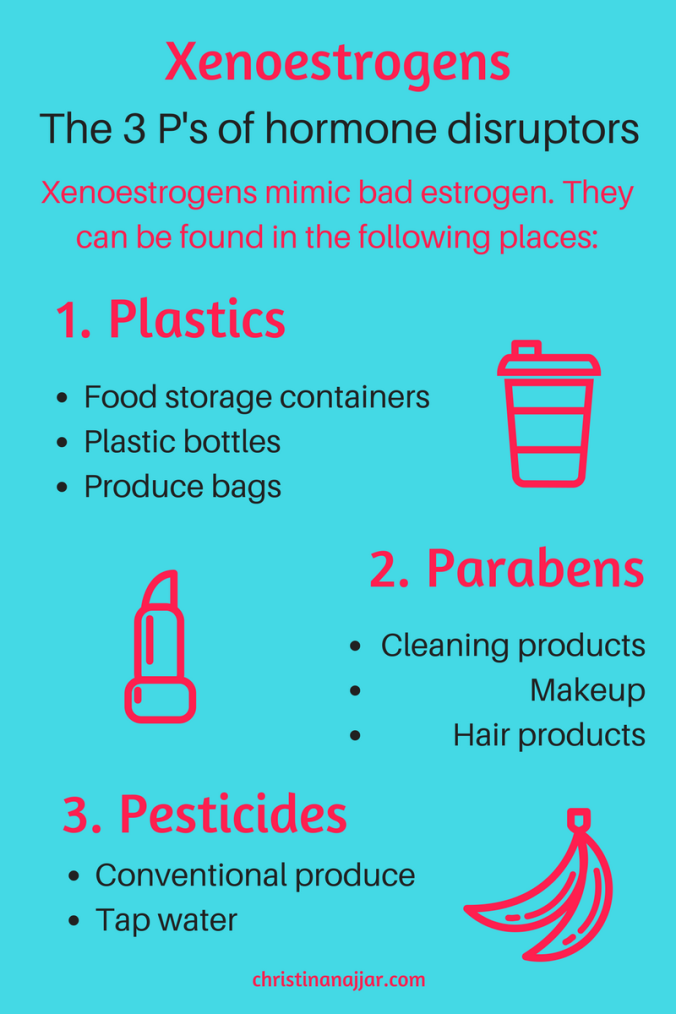
Sex hormones: An imbalance between estrogen and progesterone can lead to multiple mood symptoms. Estrogen dominance or excess can cause symptoms of both depression and anxiety along with progesterone deficiency (the two often go hand in hand). Testosterone is also important for women and plays a role in facilitating motivation, sex drive, and energy levels. Our environment is full of xenoestrogens (estrogen mimicking compounds), which can cause further hormone disruption. Sex hormone balance should be particularly considered in women on oral contraceptives, women experiencing pre-menstrual mood changes, women with endometriosis, polycystic ovarian syndrome, uterine fibroids, and women in the peri-menopause and menopause stages.

Xenoestrogens-infographic.png


Adrenals & HPA axis function: This is a big topic and one we will explore further in detail. Essentially, your adrenals and HPA (hypothalamic-pituitary-adrenal axis) are an intimate part of your stress response. It all starts in your brain with the hypothalamus, which assesses internal and external information and then communicates with another very important part of your brain, the pituitary gland. When stressed, the adrenal glands (which sit on top of your kidneys) release both norepinephrine/epinephrine and glucocorticoids (cortisol). Many of you may have heard of cortisol and how chronically elevated levels of cortisol may be associated with inflammation, blood sugar instability, weight gain, and depression. In cases where stress is not alleviated such as post-traumatic stress disorder, cortisol levels may actually be depleted and cause symptoms of burn out, chronic fatigue, a lack of motivation, and even autoimmune conditions.


HPA axis

Hypothalamic-Pituitary-Adrenal Axis


The good news is that many of these hormones can be tested and there are practical and non-invasive steps you can take to restore hormone balance and vitality!

In the end, our hormones are amazing, yet delicate messengers that deserve the utmost respect for how they keep us feeling motivated, passionate, desirable, confident, and strong. They allow us to birth children, feed our children, run from danger, sleep well at night, and get up the next day ready to go at it again. So, no matter many times they have been your scapegoat or nemesis, they do deserve our praise.


2017-09-09 Audry VanHouweling Headshots (2 of 2)

Audry Van Houweling, Owner & Founder, She Soars Psychiatry, LLC


Wishing you balance and dynamism!

With gratitude,

Audry Van Houweling, PMHNP-BC, HNFM certified, DONA trained postpartum doula

Owner & Founder She Soars Psychiatry, LLC. Holistic Psychiatry & Wellness for Women & Girls. 

www.shesoarspsych.com