The Myth of the “True Self”

I went rummaging through my garage the other day. With every intention of finding my plastic pumpkin to put on my doorstep in a half-hearted effort to appear festive, I instead came upon one of those old keepsake boxes lodged somewhere between my camping supplies and rusted paint canisters. Needless to say, I forgot about my pumpkin for the next couple hours. 

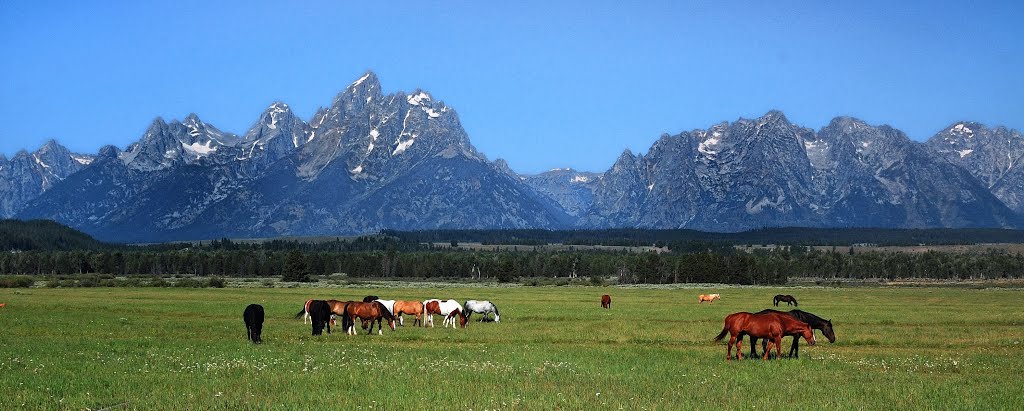
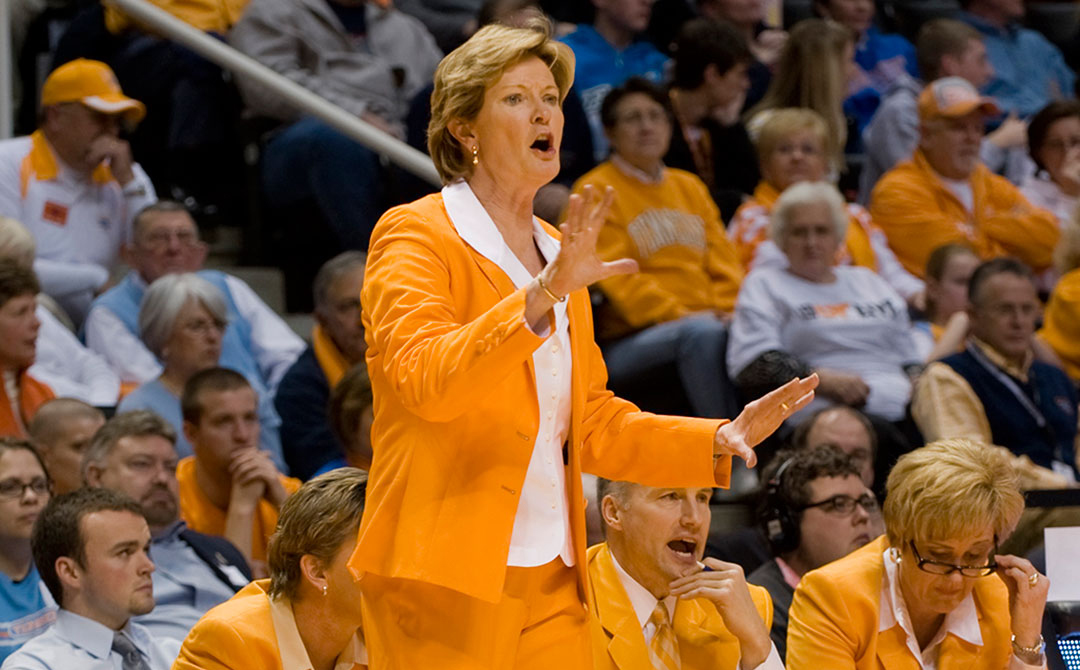
I came across a report written when I was 15. It was my then (very serious) life plan. Always a planner, the 10-page timeline composed with typical adolescent invincibility and certainty, outlined with remarkable detail how life will proceed…I played basketball for the legendary Pat Summitt at the University of Tennessee, I became a veterinarian, I decided not to marry until I was exactly 27 years old, I married a fellow vet (apparently named Kevin) who as luck would have it, was a previous Abercrombie & Fitch model…we had 3 children illustrated by cut-outs from the JC Penney catalog, we moved to Jackson Hole, Wyoming, and magically had the means to buy a multi-million-dollar equine estate on 50 acres against the Tetons. Perhaps it was Kevin’s modeling royalties? Not sure. 

Not to delve too far into my life story, but my teenage self who was very married to her idea of authenticity did not have as functional a crystal ball as she thought. Fast forwarding, I got married at 22, settled for hooping it up during late night pick-up games…mostly schooling my future husband who while quite attractive, did not hail from Abercrombie & Fitch…we did live in Wyoming for a while in a very economical however structurally questionable apartment (one of our 10 post-marriage moves), and we are for now settled in Sisters, Oregon with four-legged children only.  

All this to say that as much as we might feel we are staying allegiant to our authenticity in the moment, life has a way of surprising us.  

Stop Seeking and Just Be 

The quest for the ‘true self’ has been touted in pop culture and psychology as something the enlightened human ought to uncover. It has inspired modalities of therapy, meditations, retreats, podcasts, and God only knows how many self-help books. There is some implication that with enough introspection and self-discovery, we ought to find our ‘true self’ at the end of some rainbow and then hope to hold on to him/her forever. It is all a bit overrated in my book.

If we are getting scientific, how we feel and perceive ourselves and those around us is so multifaceted around physiology, environment, and circumstance, that one could argue that we wake up a new animal each morning. The idea of unearthing our true self and remaining in perpetual alignment is simply, not aligned with the human experience. 

A lot of anxiety comes for folks in the perceived quest for happiness. We develop benchmarks for contentment. When I lose 10 pounds…when I own a house…when I advance my career…when I fall in love. We chase ideas of “reaching our full potential”, or finding our “purpose”, and yes, the perpetual and never fully fruitful quest of finding our “true self”. Problem is that while on that quest we can lose sight of the present. Perhaps we ought to change the narrative that the true self is found in simple acknowledgement of who we are in this moment. Goals are good, but postponing contentment erases purpose altogether. 
Social Incentives 

When we make a mistake or behave in a way we regret, we may often find ourselves saying, “that was just not like me” or “that’s not who I am”. It seems that a lot of our perception of what our true self ought to be is closely aligned with concepts of reputation and social acceptance. This makes good sense in the lens of evolutionary psychology that proposes we are ultimately more protected as an individual when we can make friends and have allies. Interestingly, research has suggested that our perceived authenticity is stronger when we are more aligned with external social structures.  

Depending on our routines, many of us may encounter multiple social settings within the course of our day…our work setting, our family setting, our friends setting, etc. How we show up in regard to personality, professionalism, and behavior is very likely to change a bit depending on the social setting. Does that mean we are foregoing our authenticity? Perhaps it just means we are adaptable and socially flexible humans. Kudos to us. 

While I am not advocating for being a doormat, we cannot separate the fact that our perception of identity is inextricably linked to our social and cultural landscape that will undoubtedly change overtime. Having a sense of our core values that help fortify our internal compass is important, but accepting these values may shift allows us the space to redefine meaning throughout our life. 

Finding Peace in the Dissonance 

Humans are strange creatures. If we were all strictly allegiant to authentically expressing our internal thoughts and feelings, we would all undoubtedly be locked up. We all have our shadows, our moments of scary thoughts, sometimes violent thoughts, sometimes just plain weird thoughts. While we will have our slip ups, many of us have learned through supportive social conditioning how to filter and redirect such moments. Much of the time we can play the role of a decent human without our moments of internal recklessness being found out. 
There will always be a degree of dissonance between our internal thought life and our external expressions of identity. Sometimes we can be too painfully aware of our inner insecurities, places of shame, and negative self-talk. Some of us become masters at masking our inner shadows, but nevertheless we can feel like imposters. We convince ourselves that the dissonance between the inside and the outside means we are fraudulent- not adhering to our “truth”. As we scroll through filtered, blissful images on social media we can furthermore become convinced that others have somehow figured out this game of inner and outer harmony that we are seemingly lacking. We are all fooling ourselves. 

How Can You Best Show Up Today? 

Many of us may be aware of the ways we can improve, our opportunities for growth, our goals. We may have convinced ourselves that in order to find our “truth” that such conditions need to be met. Have you ever asked yourself what happens in the meantime however? 

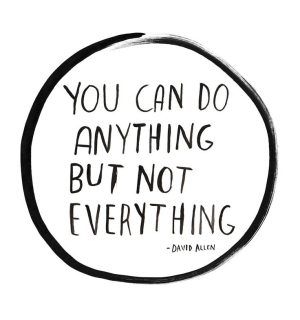
Forget about your true self. Let go of the quest. What about your best self—today? With everything that has culminated thus far, how can you best show up for yourself today and in this moment? How about for others? Something else may transpire tomorrow. Your best self may change. Trust that your best is simply enough. 

For now, my best self will return to the garage on the very important quest to find my adrift plastic pumpkin. 

Thanks for listening everyone.

With gratitude,
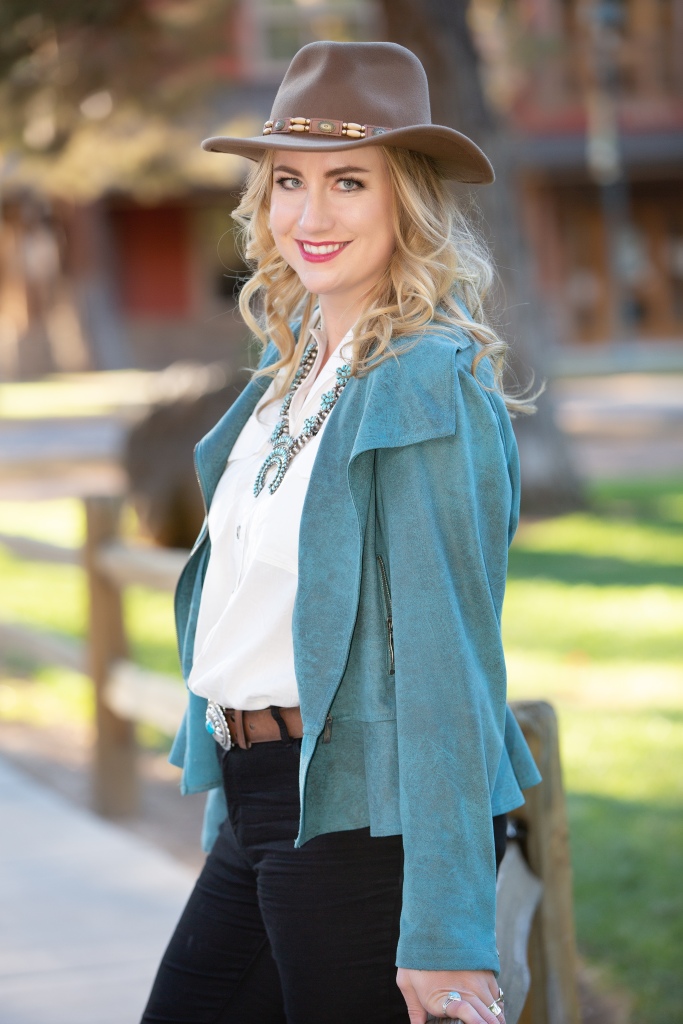
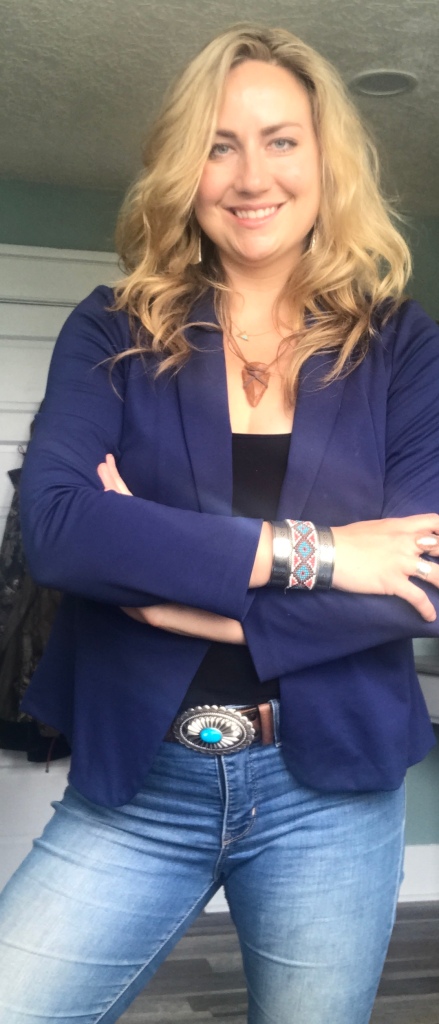
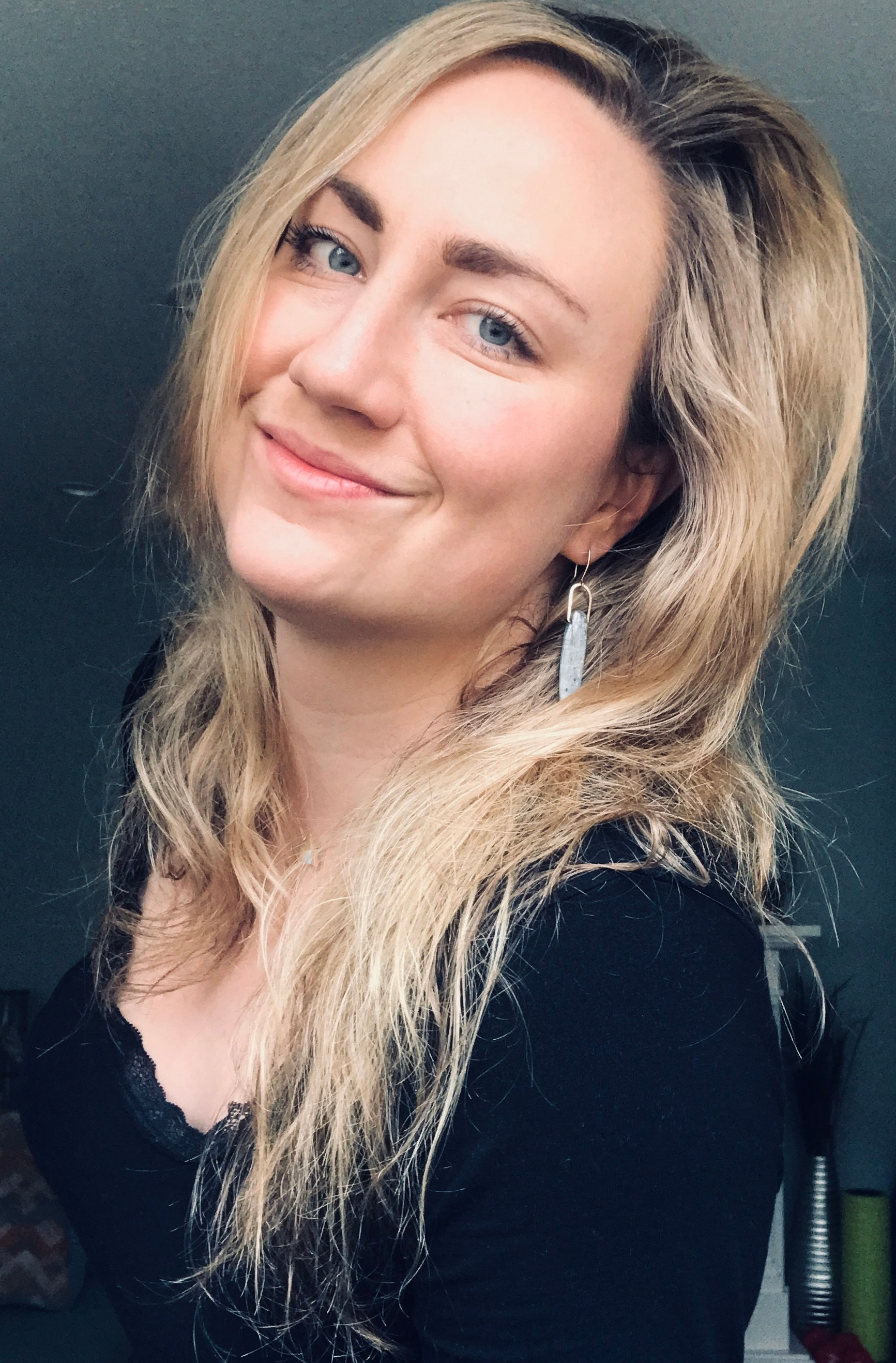
Audry Van Houweling, Owner, She Soars Psychiatry, LLC

Sisters & Silverton, Oregon

www.shesoarspsych.com

Fragility, grit, & grace…Reflections of a year gone by

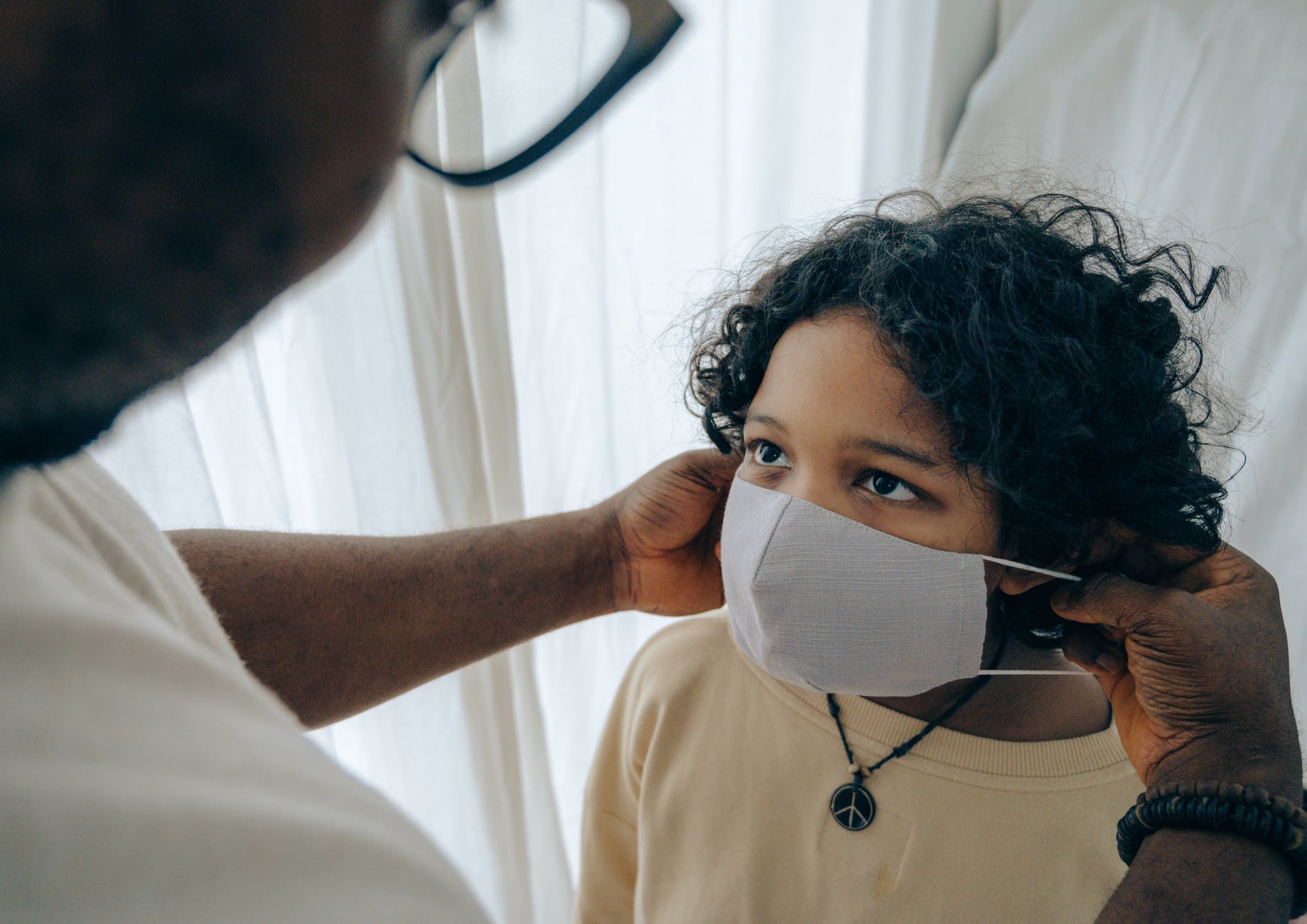
It has been over a year since the shut down. The virus has claimed lives and livelihoods. Yes, there has been opportunity for reflection and silver linings, but nobody has escaped some feeling of loss. Our world has changed. We have changed. Despite nostalgia for times of yesteryear, moving forward demands a sort of radical acceptance, resilience, adaptability, and a stubborn resolve to find meaning in the madness. 

Insecurity in Isolation  

It is probably true that we have all become more acquainted with our own emotional fragility. The pandemic, financial disruption, political upheaval, housing shortages, natural disasters, and extremism among other challenges have impacted near all of us with trauma either experienced directly or witnessed up close. The physiology of stress…repeated surges of cortisol and adrenaline and the familiar feelings of fight, flight, or freeze have left many of us feeling some version of wired (but tired), hypervigilant, skeptical, uncertain, and perhaps just burnt out. Our brains have been stretched and pulled as adjustments to our routine and our sense of safety have been many. While perhaps circumstantial, the shifts of the past year have meant fundamental physiological and neurobiological changes that have precipitated or amplified depression, anxiety, and burnout among other mental health concerns. Let’s just say, I thought my work was busy in 2019-2020, but 2020-2021 took it to a whole other level. 

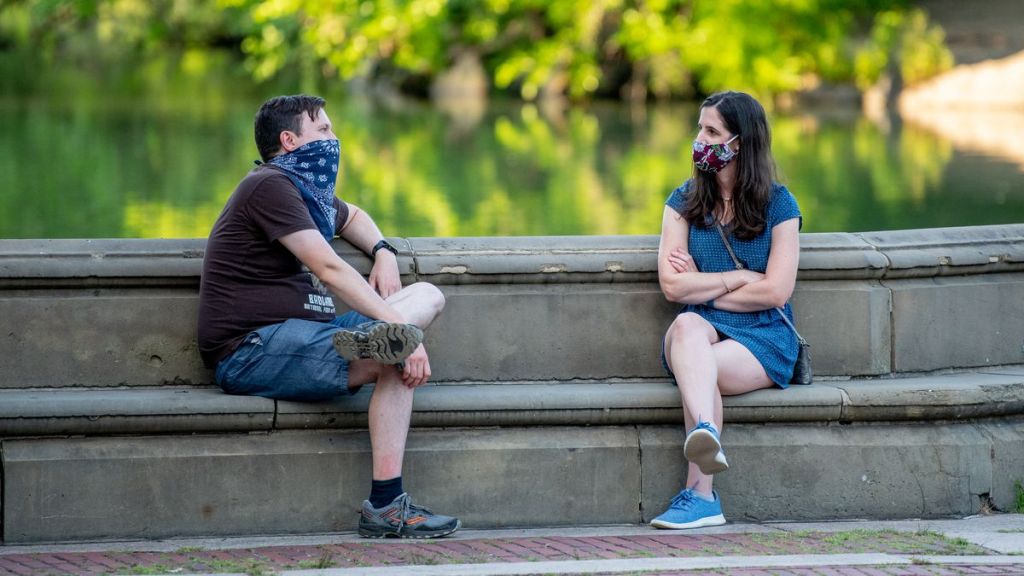
I count myself lucky that in my job I bear witness to what’s “behind the mask” and beyond the small talk. For selfish reasons, the honesty and vulnerability I have the privilege or being part of, reminds me that my own fragile moments are amid good company. Nevertheless, as I have become more acquainted than I ever really wanted to with the virtual ways of operating and, like most everyone, have had far fewer social engagements than usual, the voids of lost face-face engagements can often be filled with insecurities. With fewer opportunities to converse, to compare, and to share, it can feel like we are standing on shaky ground. As we scan through social media, FOMO (Fear. Of. Missing. Out.)  is real as ever…how does my quarantine stack up against others? What does success look like now? How are ambitions unleashed with so much red tape? As for myself, it is the nagging ever-present voice in the background of, “am I doing enough?” What is enough? Beats me. 

The Complexities of Social Engagement 

I think I miss the dynamics of human synergy the most. People coming together for a common goal. Cheering at a sports game, swaying with strangers at a concert, sharing a meal, geeking out with like-minded professionals at packed conferences. 

Amid the pandemic, my home state of Oregon suffered devastating calamites as wildfires swallowed up whole communities and ice storms froze power, communication, and left forests and homes mangled across the Willamette Valley. And yet in the aftermath, the collective willpower and good deeds of so many was a welcome shift from division and isolation. Synergy in motion. 

Having said this, I have always enjoyed the pursuits of an introvert. Running in the woods, riding my horse through sagebrush against the mountains, road trips on back roads. Perhaps it is the rising intensity of emotional inputs the past year, or the frequent displays of division and hate, but while a part of me is wistful for the energy of humanity, every once in a while, disillusionment creeps in and I fantasize about my own version of Into the Wild.  

Thankfully, I have a job that demands daily communication with real humans- it keep my communication skills a bit more fresh. Worth noting however, is the very real social awkwardness in the aftermath of isolation, dodging strangers on sidewalks, and virtual handshakes. The prospect of socializing for some can feel…frankly, sort of weird. 

A Year for our Youth 

Gosh. Can we just take a few moments of silence for the losses our youth have had to endure? What a year.

During my adolescent years (a case study for another day), much of my motivation to be somewhat productive came from the validation I might gain from others…my peers, my family, my teachers, my coaches. The rest of my energy was spent on a healthy dose of rebellion. Like most young people, feedback was critical to my identity, my perception of myself, and the budding of my core values. Let’s just say, the forced isolation of COVID would have been a wrecking ball.  

While (some) adults may have an edge on perspective, the world stopped for so many of our youth. The proverbial ‘light at the end of the tunnel’ was hard to grasp. Self-discovery, social engagement, and a sense of forward momentum were all disrupted in big ways. Insecurities, anxiety, and depression skyrocketed while motivation sank as opportunities for validation, socialization, accomplishment, and encouragement dwindled. Furthermore, for young folks facing instability and dysfunction at home, they were without the welcome respites of school and other pre-COVID outlets.  

This has been tough stuff, but if there is anything I am hopeful about, it is the grit and compassion I see radiating from our youth on the daily. They deserve more of a voice, and we need to listen. 

A Call for Grace 

While the world looks to slowly open its doors, many of us are a little raw around the edges. Social engagement may seem exciting and terrifying all at once. Our cups may have runneth over as our emotional capacity has been tested. For some of us, the loss and pain has come as a gush overwhelming our holding power with rapid force. For others, it has been a slow drip that suddenly we cannot contain. Traumas have been both overt and subtle. Pain and loss can deepen bitterness but can also deepen empathy. As the world continues to evolve and shift, my hope is that we can hold a bit more patience, a bit more empathy, and a bit more grace for ourselves and one another.

Be gentle. Stay open. Stay hopeful. 

With gratitude,

Audry Van Houweling

Owner & Founder, She Soars Psychiatry, LLC

www.shesoarspsych.com

https://www.facebook.com/shesoarspsych/

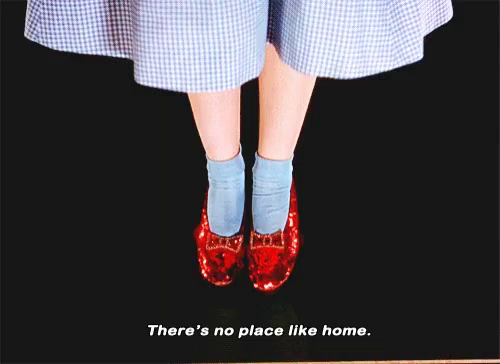
In Search of Ruby Red Slippers… The Intersection Between Mental Health and the Housing Crisis

It’s true, Dorothy…there’s no place like home.

In 2014 my husband and I started the search for our first home in the idyllic and pastoral town of Silverton, Oregon. Like many Millennials, we had embraced nomadism hopping from one college town to the next, finishing our degrees, working when we could, and doing our best to scrape up enough savings to make homeownership a reality.  

When we arrived in Silverton in the summer of 2014 we were pampered by a weekend-long real estate tour complete with luncheons and leisurely tours from home to home as we half-way pretended to know how to scrutinize and discern our options. Historic craftsman or new build? Farmhouse or neighborly cul de sac? One story or two stories?  At the end of the weekend our realtor told us to sleep on it and take our time. We made a decision and with relative ease, we effectively moved away from the yellow brick road, tapped our ruby red slippers, and found our home. 

This all seems like a bit of a dream compared to current day realities. Dorothy’s ruby red slippers are far more elusive. Leisurely tours and long luncheons are out as the housing shortage and historically low inventory has pushed supply and demand to its brink. The task of finding a decent home is now too often laced with competition, angst, and for some, desperation. 

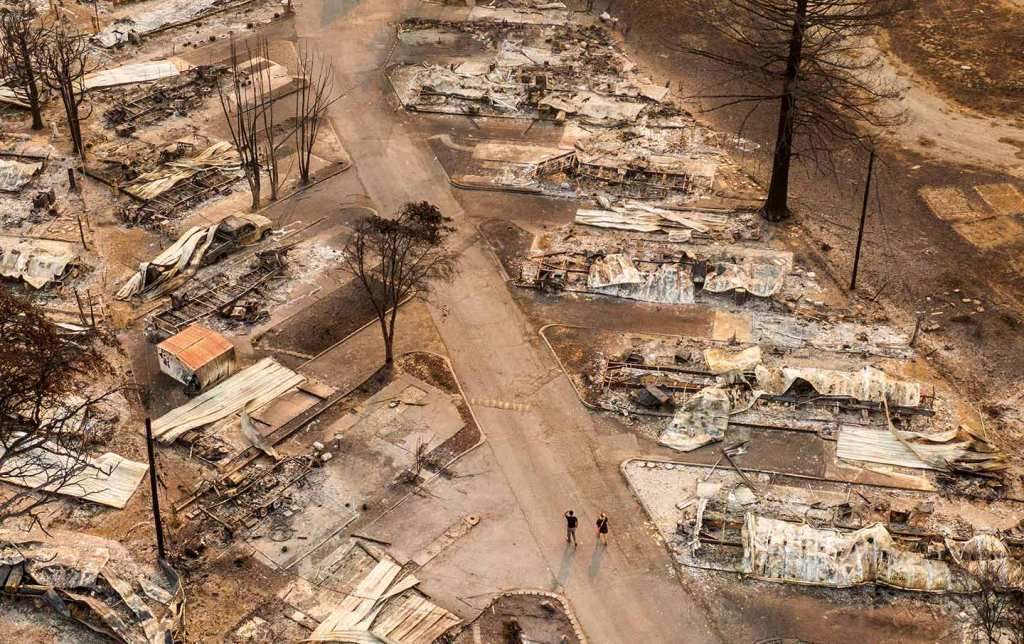
In my home state of Oregon, historically low inventory across the state has meant potential buyers are pressured to act fast facing sometimes daunting bidding wars, multiple rejected offers, and the reality of having to make concessions in order that their offer stands above the rest. Furthermore, as wildfires ripped through our state in 2020 and displaced thousands, an already meager housing market was crunched even more. Baby boomers looking to downsize have limited options, putting a pause to Generation X looking to “buy up”, limiting Millennials seeking to make their first home purchase, which ultimately keeps many in limbo leaning on an already sparse and inflated rental market.  

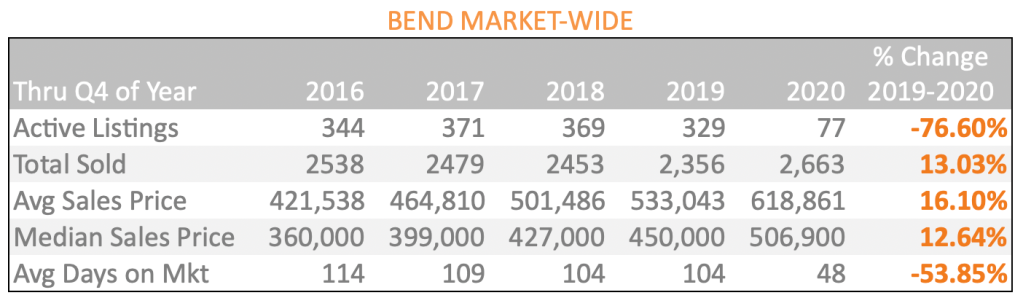
Q4 2020 Bend, Oregon Housing Market

Of course, for many, the notion of homeownership is farfetched anyhow. In an economic landscape where housing costs have far outpaced wages and nearly 40% of Americans would struggle to cover a 400.00 bill, saving for a down payment or building credit can seem beyond reach. Throughout Oregon, estimates of cost-burdened renters or homeowners (individuals or families paying upwards of 30% of household incomes) hover between 40-60 percent depending on the region. With affordable housing still woefully inadequate when matched with demand, it is not surprising that Oregon and many other states are also seeing rising rates of housing insecurity and homelessness.  

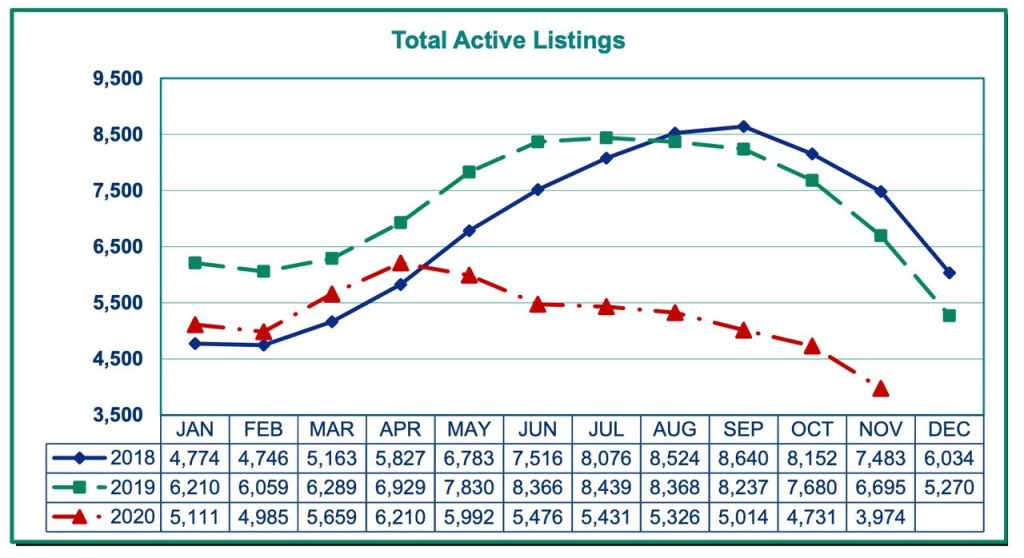
This graph shows the total active listings over the past three calendar years in the greater Portland, Oregon metropolitan area. RMLS

2020 has been (and 2021 will likely be) a time for reevaluating.  COVID, widespread financial shifts, political and social upheaval, and injustice has caused many of us to take pause and reevaluate our beliefs, relationships, work, social supports, and yes, where we call home. Some of this reevaluating has been by choice and some by sheer necessity. No longer being tied to the city office, suburbia and small-town life becomes appealing. Others are being forced to move secondary to financial hardship while break ups, divorce, death, and natural disaster have also played unique roles in the relocation boom of 2020-21.

The aftermath of the Alameda Fire in Phoenix, Oregon September 2020

These moves and shifts all have a story and come up daily in my office. Relief and hope for some, desperation and worry for others. Our health and well-being are inextricably tied to where we call home.  

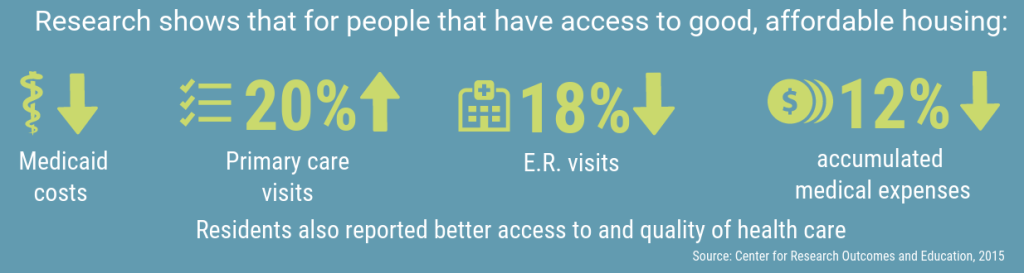
From a purely mental health perspective, housing location and affordability has been demonstrated to have clear implications with behavior, self-esteem, substance abuse, exposure to crime, and access to self-care activities. Stretched to pay rent or a monthly mortgage, families may have to sacrifice quality mental healthcare or prescription costs. Multiple moves amid rising rents increase stress and lead to poorer health and education outcomes. Overcrowding in living spaces increases the risk for emotional instability and illness. Sub-standard housing increases exposure to environmental hazards such as mold, pests, lead-based paint, and structural deficits. Ultimately, a safe and affordable home provides welcome respite for individuals and families accustomed to living in perpetual survival mode. This allows for an overall reduction in mental health symptoms, less emergency visits, improved adherence to treatment recommendations, and a lower susceptibility to trauma and violence. 

The economic case for affordable housing is also noteworthy as financial stability is pertinent to individual and collective mental health. When housing is more affordable, families have more money for discretionary spending supporting local businesses. Evictions, which spark a cascade of instability are fewer. Health expenditures are reduced as health outcomes improve. Childhood poverty, limiting academic performance and opportunity, is reduced, allowing youth to pursue education and career goals that enhance the economic output of entire communities for generations to come. 

Practical interventions for increasing affordable housing are feasible. The passing of Oregon HB 2001 in 2019 paves the way for duplexes and townhouses to be constructed in lands previously zoned for single family dwellings. Subsidies and incentives for developers ought to be expanded and the red tape of infrastructure costs, building code headaches, and design standards relaxed. Employer-assisted housing programs ought to be cultivated with rental assistance or forgivable down payment loans. Safe parking areas can provide reassurances to homeless individuals living out of their cars. Low-income rental assistance and landlord mitigation funds can help minimize evictions. Regional housing counsels can help forge multi-disciplinary partnerships intimate with the needs of a particular community.

Quality mental health is far bigger than the number of therapy rooms or savvy medication prescribers. Where we call home will always be one of the most significant determinants of our individual and collective wellness. It’s going to take hard work, commitment, and creativity, but when we prioritize the health and safety of our neighbors, we make ourselves a bit safer and healthier too. 

With gratitude,

Audry Van Houweling, Owner & Founder, She Soars Psychiatry, LLC

www.shesoarspsych.com

Sisters & Silverton, Oregon

Our Capacity for Compassion: The New Health Metric

As I sit down to write this, nearly 375,00 Americans have left us from COVID-19. Many of these deaths were in isolation, away from loved ones, and the chance for processing and goodbyes interrupted by restrictions adding to the isolation of those grieving. Thousands (if not millions) more who have been impacted by the virus continue to contend with long-term and sometimes debilitating symptoms that make the motions of life seem daunting. While inexplicable, painful, and unfortunate physical and emotional calamities have always had the potential to intrude upon our lives and those we love, it seems COVID-19 has illuminated the idea that a body in relative working order is in itself, a privilege. 

As a mental health provider with a focus in functional medicine, it seems shallow if not neglectful to not talk to my clients about the value of those very basic tenants of wellness…movement, nutrition, sleep, and connection. In a functional medicine model there is no distinction between mental and physical. Your body (that yes, includes your brain) is constantly in an intimate, bidirectional, dance where a move or shift in one system can impact all others. Our emotions are driven by physiological events and can also trigger physiological events. How we treat our emotions and the story we tell ourselves about emotional experiences has a HUGE impact on our wellness from head to toe. And yet, we still live in a society skittish around confronting emotions and quick to shame or label certain emotions as weak. 

I often ask my clients to define what constitutes “health”. What constitutes a “healthy” person? From a holistic perspective and with a bias towards emotional wellness, I have seen many people check all the theoretical boxes watered down by outdated metrics and idealism, and yet be overwhelmed with despair. Top ranked in their career, hitting the gym every day, grabbing a green smoothie on their way to work, returning to their meticulously maintained home, and ending their day tuning into their 5-minute meditation before they lie in their hypoallergenic bedding and yet, peeling back the layers of emotional vulnerability is terrifying as it goes against their continuous quest for perceived control. I have found in my career that the greatest suffering comes in the running away from emotion, not the emotions themselves. As we habituate distraction, numbing, and running, the disconnect that transpires can impact our whole-body wellness, our relationships, and our spirit. 

As we enter the New Year and in the pursuit of new goals and resolutions, I want to challenge you with a definition of health that transcends the number on the scale, dietary habits, blood pressure, or cholesterol. My personal definition of health is, cultivating a lifestyle, relational landscape, and spirituality that maximizes our capacity for compassion and connection. 

Much of how society tells us to constitute health is altogether shallow.  Why are you losing that ten pounds, cutting out carbs, or dusting off that treadmill? Pursuing a goal without meaningful clarity is unsustainable. If we are honest with ourselves most of our pursuits for better health have roots in seeking connection. Some of us simply don’t like to admit that because in doing so, we are admitting vulnerability. Somewhere underneath the aesthetics of a slimmer waistline is probably the desire to be more accepted, seen, and acknowledged.  

I will not pretend to have been immune to the emotional rollercoaster of the past year. My inner empath has felt heavy and the reassurances for myself and others sometimes sparse. Nevertheless, I acknowledge the energy that I put forth has consequences both personally and professionally. And that goes for all of us. The energy I bring into sessions with clients or bring home to those I love matters. Safeguarding that energy is a daily, intentional practice that sometimes feels like an uphill battle. As I wake up in the early morning hours seeing frost on the ground or the rain pouring down, there is little motivation to put on my layers, don my headlamp, and run the handful of miles I do while dodging icy puddles and muttering resentments that I can’t be warm in the comfort of my currently closed gym (thank you for your pity). Ultimately, I run those miles because I know it makes me a more productive, pleasant person indeed more likely to be compassionate and connected. The same goes for the sleep I get at night, the foods I put in my mouth, who I spend my time with, and my spiritual practices. These lifestyle choices matter not simply because they check a box, but because they are critical to how I show up in this world and are the provisions needed for me to be a kinder human. In my view, that elevates them from mainstream recommendations to sacred and yes, a privilege. 

Our world has always had its challenges. This past year it’s been a doozy and undoubtedly, there will be more challenges ahead. It is easy to burn out and hit the metaphorical (or literal) snooze button time and again. Denial is the ultimate form of disconnect. With all the pain and loss, it is easy to harden our hearts, feel defensive, take sides, and lean into anger rather than compassion. It takes courage to confront the pain, but rather than hardening our hearts, we can seek to strengthen them. Simply put, when we can nourish our bodies, move our bodies, rest our bodies, and ground our spirit, this strength comes easier. So, here’s to hoping 2021 brings you a stronger body and stronger heart.  

Thank you for listening everyone.

With gratitude,

Audry Van Houweling, Owner & Founder, She Soars Psychiatry, LLC

www.shesoarspsych.com

Sisters & Silverton, Oregon

Hope despite it all…

It’s been a tough year. Tough for individuals, tough for families, tough for communities, and tough for the greater world. Layers of “tough” so to speak. As 2020 comes to a close, I think most of us have been up close and personal with the “tough”. Many of us have taken inventory of the hardships, which weigh heavier for some more than others. What may be more elusive, yet some days the only force that keeps us going, is hope.

Hope is personal. It is subjective. My concept of hope and how I go about seeking it is likely to be different than yours. We all hope in our own ways. Hope can be specific…I hope I have a good day at work, or more abstract…I hope for something better. Regardless, hope allows us to temporarily transcend the “tough” by envisioning moments that evoke feelings of happiness, peace, and/or excitement. Hope can define us, inform us, and inspire us to take action.

We are a society that loves to focus on outcomes. The outcome of our investments, our looks, our grades, our performance. When hope is too closely tied to such outcomes, it can become conditional and too often backfire. When outcomes do not come to fruition or are not as expected, hope can leave a bitter taste and for some of us, can be harder to grasp. Associating hope too closely with failed outcomes can expedite feelings of hopelessness, resentment, and despair.

Whereas conditional hope can be limiting and depleting, wholehearted hope is much more transcendent. Wholehearted hope acknowledges the tragedies as well as the triumphs. Hope is not idealism and idealism is ultimately denial. Our world has some brutal realities right now. Being able to absorb tragedy and pain without sugarcoating and still believing that something better will come is wholehearted hope. Suffering and hope are intimately connected as when we can comprehend the darkness, the light in turn can become more clear.

Wholehearted hope acknowledges the inevitabilities of life. The trials, the heartbreak, the grief, and the valleys. Implicit in wholehearted hope is the art of “letting go”, recognizing that the motions of life are all ultimately acts of hope in themselves as life itself is unpredictable, sometimes painful, sometimes joyful, and full of surprises. Wholehearted hope makes room for perspective, growth, and openness. Our greatest struggles can often be our greatest teachers. Wholehearted hope allows us to seek comfort in the small moments of beauty and kindness amid otherwise despair. And finally, wholehearted hope recognizes that while we cannot always control the circumstances that frighten, oppress, or limit us, we can still choose our response…our inner sanctum—and that is the basis of freedom.

10 WAYS TO CULTIVATE HOPE

  1. Develop a spiritual practice. Find ways to explore meaning in your life.
  2. Start a gratitude practice. Find 3 things to be thankful for each day.
  3. Seek out support from others. This is a great way to gain perspective.
  4. Be gentle with your emotions. Stay curious about how you are feeling.
  5. Recognize that most everything is fleeting. This too shall pass.
  6. Share your story- you never know who you will inspire.
  7. Find ways to serve others.
  8. Move your body. Nourish your body. Health makes hope easier to grasp.
  9. Find reasons to laugh.
  10. Stay open to growth even in tough times.

With all the layers of “tough”, it can be easy to be consumed by suffering. Hope is not an antidote to pain and cannot erase traumas that may continue to haunt us. Hope however does allow for the possibility of beauty born from pain and inspires our imagination to envision better days ahead. Perhaps this is best said from Holocaust survivor and psychologist, Edith Egar, PhD:

“Hope tells us that life is full of darkness and suffering—and yet if we survive today, tomorrow we will be free.”

Wishing you a hopeful Holiday season and New Year.

With gratitude,

Audry Van Houweling, Owner & Founder, She Soars Psychiatry

www.shesoarspsych.com

Sisters & Silverton, Oregon

I’m Tired, You’re Tired, We’re All Tired…Let’s Talk Burnout

Aren’t we all feeling so invigorated lately? Life has been so dang swell, right? It is just so easy these days to rise and shine with a smile, ready to seize the day! Don’t forget the glass is half-full so please turn that frown upside down… 

OK. Insert sarcasm here. Enough of the toxic positivity. In all honesty, 2020 can kiss my…glass that has not always seemed half full. Yes, there have been meaningful moments and hints of silver linings, but let’s be honest, this has been no cakewalk.  

Let’s talk burnout.  

Here is a list of ten types of burnout that you might relate to: 

1) Occupational burnout 2) Caregiver burnout 3) Academic burnout 4) Parental burnout 5) Relationship burnout 6) Political burnout 7) Technology burnout 8) COVID burnout 9) Seasonal burnout 10) Spiritual burnout   

Defining burnout is not an exact science and manifests differently for everyone, but in general can be characterized by the following characteristics as defined by the World Health Organization: 

1) Feelings of energy depletion or exhaustion (fatigue that comes from caring too much for too long) 

2) Decreased sense of accomplishment (sense of futility, missing a sense of purpose) 

3) Depersonalization (depletion of empathy, caring, compassion) 

Daily, I talk to patients with concerns about lack of motivation, difficulty finding meaning, chronic pessimism, mental and physical exhaustion, and a sense of detachment. If there are not productive avenues toward restoration or healing, burnout can evolve into clinical depression or other more serious mental health concerns. 

I often give my patients the metaphor of a train track. The train track represents wellness, balance, and contentment. It is where we feel best- emotionally, physically, and spiritually. Life will inevitably jolt us from time to time. We will be knocked off the tracks- sometimes gradually, sometimes suddenly. Sometimes the valleys of life will take us so far off the tracks that we need a helping hand guiding us back. Sometimes we aren’t so far away. One decision might allow us back, but for various reasons we convince ourselves that we are more comfortable on shaky ground than stability. I don’t think anybody I have spoken to professionally or personally in the past year has been enjoying a drama-free stroll on the tracks. The events of 2020 and not to mention our personal challenges, have inevitably thrown us off a bit- the force of which has been different for each of us. Burnout resilience is not trying to convince yourself that you can stay on the tracks indefinitely, but accepting that you will veer off course from time to time, and building on the knowledge of the actions and thought processes that aid in you returning once again however brief your stroll may be. 

Sometimes we develop defense mechanisms and rigid thinking that convinces us life away from the tracks feels more powerful, more exciting, more pleasing to others, and may simply be what we are familiar with. Workaholics, people pleasers, and perfectionists may be especially prone to burnout as they will go far off the tracks in order to make the next sale, meet a deadline, appease another, or meet their own lofty standards. 

Staying on the track mandates vulnerability and emotional awareness- two concepts often stigmatized in our society. Prevailing popular beliefs still equate certain feelings to weakness and in our go-go-go lifestyles, feelings often seem inconvenient. And so, we come accustomed to repressing, to numbing, to distracting, to running away from emotion. When we don’t have the tools to confront emotion, we get stuck in emotion—an exhausting precipitator to burnout. Essentially, we must feel to heal.  

Building burnout resilience is cultivated by both actions and thought. 

In action, there are certain pursuits that can help unlock stuck emotions. Movement, creativity, physical touch, laughter, a good cry, positive social interactions, and simply breathing can all help us move through life’s hardships. On a personal level, 2020 has left me craving routine and simplicity. Cultivating routines can help trick our bodies that we are safer even amid hardship. Regardless of splitting my work week in two locations, my Monday-Friday routine leaves little to the imagination… 

AUDRY’S WORKDAY ROUTINE 2020

(thanks for caring to read this):

Go for a run, share laughs with the barista while also procuring a double shot hemp milk latte, go to work, eat my signature lunch that is more like breakfast (eggs, avocado, bacon), work some more, venture out to another friendly barista to procure another double shot (split shot, mind you), oat milk latte, work some more, maybe sweat it out again, eat some version of dinner, chart, family/friends time, perhaps indulge in what is often an unintelligible hour of Netflix (my latest being “Selling Sunset”), go to bed. Repeat. Spontaneity may be spared a bit, but 2020 and my work has been everything but routine and so creating my own version of groundhogs’ day seems useful. And yes, I should cut back on caffeine, but that is a sacrifice I am choosing to delay for now. 

And now back to the conversation…

In thought, we must be able to question our own standards. Are such standards in themselves causing more of a feeling of depletion than restoration? Are we running on fumes because our personal value is based on unrealistic standards of productivity? Perfection is akin to running a race and the finish line keeps on moving…it is exhausting. I don’t recommend it. How often are we judging or laying guilt upon our own emotional response? Are we finding the glimpses of gratitude and meaning amid the chaos?  

Building burnout resilience is a daily, intentional practice that prioritizes self-care, sets boundaries, and honors the concepts of vulnerability and emotional awareness. If you have felt burnt out, please know that you are in good company, but also please know that the issues facing our world ought to implore us to get a little closer to the tracks by leaning on each other, asking for help, and taking care of ourselves. There is simply too much work to be done.  

Thanks for listening everyone.

With gratitude,

Audry Van Houweling,

Owner & Founder She Soars Psychiatry, LLC

www.shesoarspsych.com

Sisters & Silverton, Oregon

COVID Stole my Dopamine, Now What?

Excitement. Pleasure. Novelty. Anticipation. Reward. The “zest”, the “looking forward to”, and the “passion”. The common denominator? Dopamine. What we chase in our society and what we have a hard time living without. We must thank dopamine for the gusto it gives us, the inspiration, the drive, and innovation, but in our popular culture so reinforced by a mindset of scarcity where whatever “is” is simply not enough, dopamine has hypnotized so many of us into restlessness, discontentment, and distraction. Our dependence on the dopaminergic excitement or trepidation of “what’s next” robs us of being present in the “what’s now”. We become antsy, impatient, frustrated, and even hopeless in times our once trusted dopamine fixes fade from our reach.

COVID has undoubtedly been a dopamine disruptor. Financial reward, opportunities to perform, incentives for validation, leisure, the chance to be noticed, anticipated escapes, and methods of distraction have all been compromised. As they have dwindled, many of us have attempted to hold on to dopamine’s spell. Alcohol consumption has spiked, the pantry door has been opened a few too many times, drama has been manufactured, we get lost in the fight or flight as we defend our side of the fence, and point fingers at others. Certainly more uplifting, some too have found ways to create, to serve, to give, to protect, to advocate. Dopamine is central to it all.

“I don’t feel motivated” say the vast majority of clientele that walk in my office these days. “I don’t know what to look forward to”…”I don’t feel excited for anything”…As children and adolescents suddenly lost many of the social incentives and validation from physical school and navigated the blurry experience of  virtual learning, many simply stated, “what’s the point?”

dopamine

For a lot of us, COVID has quieted our “give a darn’s” about a lot of what seemed to be important pre-pandemic. I personally have made some efforts to keep a morning routine as I  hastily run a brush through my hair and slap on some makeup, but as I sit in my reasonably wrinkle free blouse while doing ZOOM session after ZOOM session, I am rather comfortable in my running shorts and bare feet unbeknownst to my clients.

work from home

I just don’t care for my slacks much anymore. But thank you to all that is holy that my (yes, I feel like it is mine) local coffee drive thru is still open. Caffeine deprivation is not yet a first-world dopamine sacrifice I am prepared for.

Some of the lost “give a darn’s” have been in fact liberating. Others more consequential. For some, COVID meant such a rapid shift circumstantially and neurochemically that the unrest in the unknown has been paralyzing. Traumatic. Just the act of getting out of bed may seem daunting.

In the initial days of the COVID pandemic, dopamine was intimately intertwined with the novelty, the stress, the innovation that followed. Altruism flourished, people mobilized, we prepared. As the dust has settled to reveal what seems to be a long road ahead, the sprint that epitomized the early days has slowed to tenuous march. As is many times the case, the feeling of motivation in itself is fleeing. It takes discipline and intentionality despite hardship to persevere. And sometimes that means asking for help.

As stated, our society and popular culture jumps in bed with dopamine every chance it gets. Who gets pushed out of the bed? Serotonin.

While dopamine has been termed our “reward” chemical, serotonin has been dubbed our “contentment” chemical. And guess what? It doesn’t take much to realize that in our culture, contentment is simply not sexy. Enthralled with dopamine, serotonin gets sidelined.

dopamine2

Our brains and bodies become so primed for dopamine and stress that serotonin receptors central to mood and anxiety eventually become less responsive. Furthermore, as we flood our brains with dopamine, our cellular receptors dopamine attaches to become a bit overwhelmed by it all and start to downregulate. This is the biology of tolerance. In an attempt to compensate, we try to up the ante- more adrenaline, more distraction, more drugs, more sugar, just more. And all the while, we become less content and often, more depressed.

Robert Ludwig, the author of The Hacking of the American Mind: The Science Behind the Corporate Takeover of Our Bodies and Brains says it well:

The road to hell is paved with good intentions. The same factors that increase dopamine (technology, lack of sleep, drugs, and bad diet) also decrease serotonin. Furthermore, stress drives dopamine release and also decreases the serotonin-1a receptor reducing serotonin signaling. Addiction results from dopamine receptor down-regulation coupled with excessive stress. Depression results from reduced serotonin transmission from the same precipitating factors, also coupled with excess stress.”

contentment

COVID has taken away much of what we were looking forward to, much of our perceived motivation, but in the absence of so-called excitement, it is an also an opportunity to reevaluate, to slow down, and to simplify. Passion, excitement, and drive are central to the human experience, but must be balanced with times of stillness, contemplation, gratitude, and thoughtfulness. Many of us have forgotten or perhaps have never been taught how to be still. How to be without noise. How to feel without a ready escape.

These are uncertain times, but then again, life is never certain. Accept change, accept the chance to evolve. On the other side of grief is transformation and perhaps as we mourn our dopamine, serotonin and the contentment it brings may become just a bit more alluring.

Thanks for listening everyone.

With gratitude,

IMG-0649 (1)

Audry Van Houweling, Owner, She Soars Psychiatry

www.shesoarspsych.com

Sisters & Silverton, Oregon
Our Health Depends on Justice & Equity


Finding Roots… 

Working in functional medicine, a form of medicine that examines root causes and dedicated to a holistic vision of wellness, it is not enough to talk about nutrition, exercise, meditation, and gut health. While these factors and others have true merit, I would be negligent as practitioner to dismiss the broader forces inequity, discrimination, and socioeconomic status have upon the wellness of individuals and communities.  

equity

Mainstream medicine continues to be driven by insurance payers and pharmaceutical companies forging a narrow path by which “healthcare” must take place. This forces healthcare institutions to play the game of profit and economic stability, which results in rushed office visits, unending paperwork, too much red tape, burnout, and patients not feeling heard. This can result in the very place that should be making you feel “well” resulting in disempowerment and even trauma. As a caveat, I do prescribe pharmaceuticals. Yes, medication can sometimes be a worthwhile tool. And yes, I often feel like I am medicating societal shortcomings rather than actual pathology. 

Navigating justice… 

In the era of COVID and the horrific circumstances of George Floyd’s murder, the realities of inequities and gross discrimination that continue in both subtle and overt ways to pollute our Constitution and cause division, have been ushered to the forefront of our national conversation. 

While I like to think I am a proponent of social justice and advocacy, in recent days, I have been convicted of the gravity of my own privilege and how it has veiled me in many ways from confronting the hardships and injustice impacting so many. My tendency  is to want to compartmentalize the hate, to escape to the luxury of denial, to tear up and express brief bouts of anger without lasting action, to voice opposition to discrimination, but rest easy in my white upper middle-class comforts. 

The wounds of our country will never heal with the thin band aids representing short lived motivations from a rally, supportive sentiments without action, and promises not upheld. Change must come with a national reckoning of our failures to uphold the Constitution, apologies married with sustained, systemic action, and the emotionally charged work of confronting our personal narratives that uphold the often quiet and subconscious, but oh so powerful schemas that allow for discrimination, inequity, and hate to exist too often without penalty. True, restorative justice has become more and more elusive. 

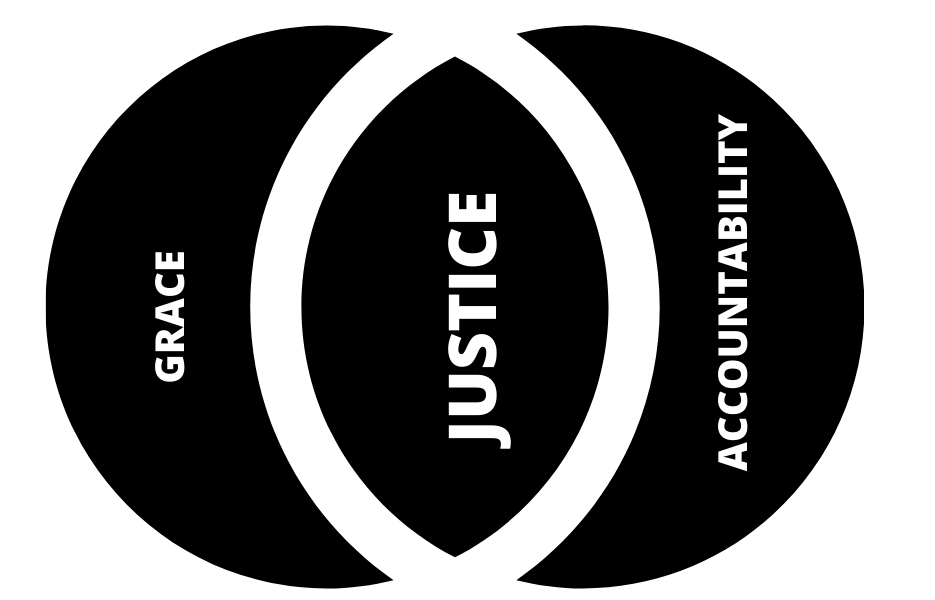
JUSTICE

WHERE GRACE AND ACCOUNTABILITY INTERSECT

My best definition of justice is that it is the intersection between grace and accountability. Under this definition, justice allows grace for the complexities behind certain actions and behaviors, while also making clear how certain actions harm ourselves and others. Locking a man up in a cell without addressing roots of trauma, fractured self-worth, and missed opportunities is “justice” without grace. This breeds resentment and mistrust. In our broken criminal justice system, wealth and power have too often allowed for criminal acts to be baptized free without regard to accountability. This allows for entitlement and reinforces perceived superiority.  

Facing the realities… 

While we may reminisce about the pre-COVID days when things were “normal”, in my home state of Oregon alone, suicide had become the greatest killer among youth ages 10-24, over 500,000 residents had food insecurity, we placed #44/50 among national public school rankings, had one of the nation’s leading rates of homelessness- over 2x the national average, and despite stereotypes of progressivism, Oregon’s history has deep roots of racism that continue to haunt the present day. 

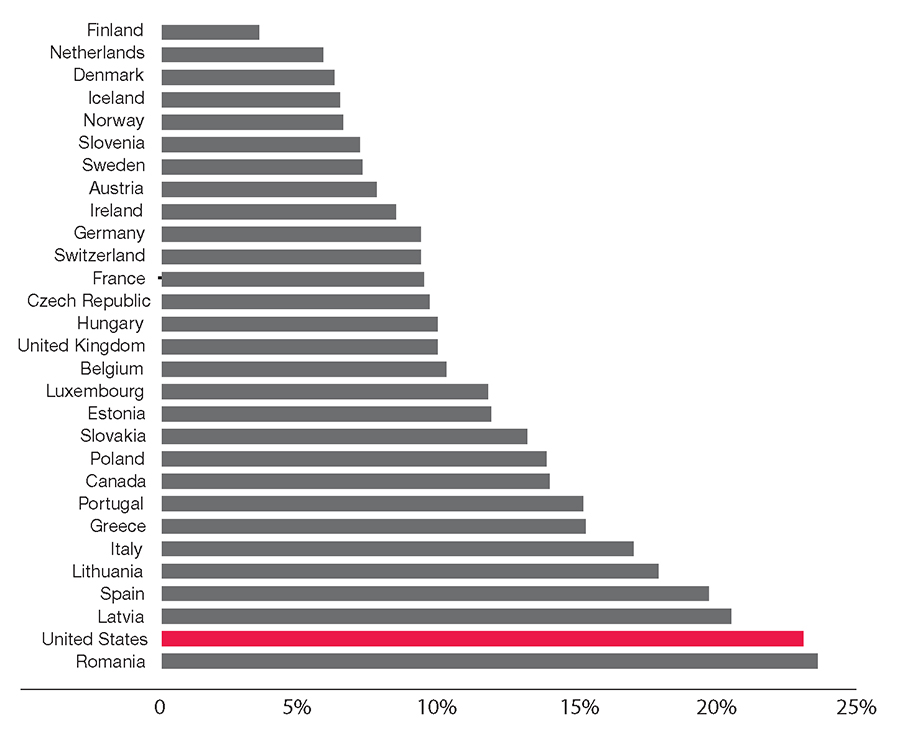
US Ranks Second Highest in Rates of Childhood Poverty UNICEF, 2016

Native Americans and African Americans have the highest rates of poverty by race (25.4% and 20.8% respectively) followed by Hispanics, Whites, and Asians. The emotional stigma and burden of poverty is significant on its own. Poverty often comes with limitations to accessing quality healthcare and implement healthy behaviors. Accessing healthy food, finding reliable transportation, funding medical care, finding a safe place to exercise, taking time away from work for appointments, social and geographical isolation, and facing stereotypes and bias within the healthcare system are all potential barriers. With the time demands on mainstream medicine, healthcare providers rarely have the time to address or even acknowledge such complexities and are pushed further downstream from the driving factors of illness. It has created a flood of chronic illness and a scourge of mistrust and hopelessness. We keep throwing down sandbags when we really need to turn off the hose. 

health and race1

health and race2

A Collective Healing Approach…

While personalized medicine is a care model that has been popularized and has value, for us to better address upstream policies, social structures, and inequity, we must look towards a model of care that reinforces healthy communities and thereby acknowledging individual wellness is intimately intertwined with the wellness of a community.  

lonely1

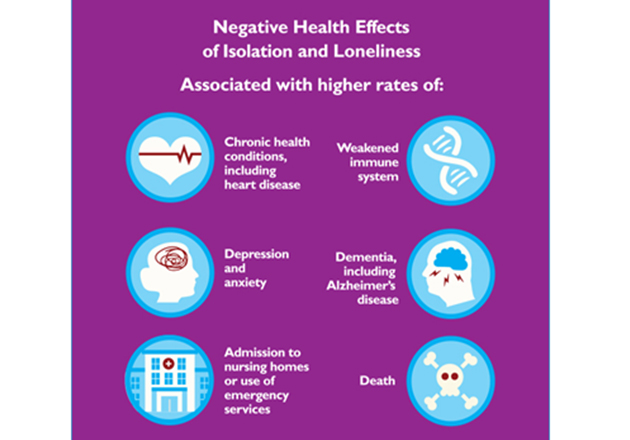
To untangle the roots, we must take time to come together, listen, share stories, allow for vulnerability, hold each other accountable, and support one another. Especially in mental health where privacy is understandably a mandate, we must also recognize how keeping our struggles in isolation from one another may be reinforcing stigma, stress, and fear. In some ways, a culture of too much privacy can limit the healing that can take place when we allow for connection. 

For our individual and collective wellness, we must continue to mobilize, to innovate, to advocate. The mass protests and desperation of COVID is not simply what is now, but a buildup of what has been for far too long. Ultimately, as isolated as we may find ourselves these days, we continue to be interconnected. Your struggle has a ripple effect beyond yourself. Your neighbor’s struggle has a ripple effect that may impact you. True wellness will never be solved in your 15-minute doctor visit, but by the security of human-human connection.  

Wishing you wellness.

With gratitude,IMG-7955 (1)

Audry Van Houweling, Owner, She Soars Psychiatry, LLC

www.shesoarspsych.com

Sisters & Silverton, Oregon
Withstanding the Ripples

Work the last few weeks has been interesting to say the least. The impact of COVID-19 has created a ripple effect for all of us. For those of us who are privileged, the greatest adjustment may be an unfamiliar boredom as we sift through Netflix, learn how to prepare meals again, and try meditating. Those of us used to a full plate, multitasking, and accessible distraction, may find discomfort in the stillness. Unresolved trauma and grief tend to surface in quiet times and if support is unavailable, the quietness can be traumatic in itself. In contrast, others are getting to rest, reflect, and perhaps heal for the first time. And then there are those of us with legitimate panic married with immense grief and adjustment. Incomes that dissipated in an instant, support systems that dissolved, hopes that were not realized, family members that fell ill, and death. For some, COVID-19 has meant a few ripples easily withstood akin to the impacts of a small pebble. For others, it may well have been an asteroid.

There is no Guidebook…

I have had many clients ask, “How should I be coping with this?”

There is little to be said for should’s and should not’s in this uncharted situation. There is no guidebook.

COVID-19 has not been the popularized romanticized slow down for many while for others, it has allowed for unexpected silver linings. There can be guilt and discomfort on both sides of the fence. Guilt for feeling positive while others are struggling and guilt for feeling angry and afraid instead of mindful and grateful. Both sides of the fence are valid, are acceptable, and can coexist.

While there is much solidarity and collectivism in the COVID-19 human experience, how we are each navigating this virigin territory is uniquely informed by our social position, privilege, background, past experiences, and core beliefs. This demands grace and patience for ourselves as well as for others. Accepting the ambiguity, the awkwardness, and the uncertainty is central to our resilience as we let go of the tension between perceptions of right and wrong.

Returning to basics…

Ultimately my suggestions in this pandemic are not so different than what I might encourage amid other situations involving grief or trauma.

Do your best to stay on a routine. The power of a schedule is that it allows for some predictability during very unpredictable times. Try to uphold what I have deemed ‘the four foundations of wellness’. Essentially, these are the necessities that can help keep our head above water:

  • Sleep: Have a wind down routine. Do your best to go to bed on a schedule and wake up on a schedule. Staying out of bed during the day helps you have better sleep at night so do yourself a favor and watch Netflix anywhere other than in your bed.
  • Nutrition: I know this is easier said than done these days. Do your best to eat whole foods and lots of plants. Try to stay away from processed foods and sugars. Your immune system will be happier too.
  • Physical movement: Whether you stream yoga on YouTube or get outside while being conscious of distancing for your daily run, please find a way to stay active.
  • Connection: To people. To spirituality. To nature. This has been more challenging, but in this time it is so very important. Zoom coffee dates, scheduled phone sessions, spiritual practices, and when safe, enjoy nature.

Gaining Perspective…

The last few weeks I find myself scouring quotes from wartime leaders—Lincoln, Churchill, Roosevelt, Kennedy, and more who faced immense adversity and had to rally resilience and some form of hope in times of such bleakness. I have been thinking a lot about my late grandmother, a Holocaust survivor, the trials and resilience exemplified by my parents and other family members, the grit of the “lost generation” of folks born between 1883-1900 who had to endure the Spanish Flu,  two world wars, the Great Depression, and maybe even the Cold War…And finally, I have been reflecting a lot on the resilience of my clients who have faced adversity far greater than the threat of a virus.

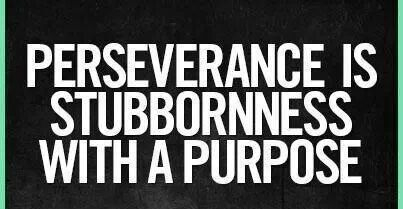
pererverance

While it is perhaps easy for me to say having been thus far lucky amid current circumstances, our country and our world has seen dark days before and will see dark days again. There is a solidarity to be gained in collective grief and struggle. My hope is that out of such we can salvage lessons of humility, resilience, collectivism, and innovation.

Kindness, The Other Ripple Effect…

kindness

Social media has historically been a hotbed for filtered comparison. It has been a platform to present a desired image and good or bad, COVID-19 has quickly reorganized priorities. Suddenly, it seems a bit removed to be posting diet plans, filtered selfies, a new car, or relationship woes. What does seem to be trending however…kindness. And kindness has created its own ripple effect. The generous and philanthropic acts of others popularized and made public have led us to question how we can ourselves contribute.

For those of us who are privileged, this is our opportunity to support our neighbors. It is our responsibility as Americans (and global citizens) to do what we can to uphold our values of life, liberty, and happiness. And personally, I believe the grass-root efforts among our communities are likely to do more for instilling hope and healing than the policies of our governments.

So to conclude, words from Winston Churchill…

We make a living by what we get, we make a life by what we give.”

In solidarity,

IMG-7478

Audry Van Houweling, Owner & Founder, She Soars Psychiatry, LLC

www.shesoarspsych.com

Sisters & Silverton, Oregon
 

Holding on to empathy in a time of self-preservation
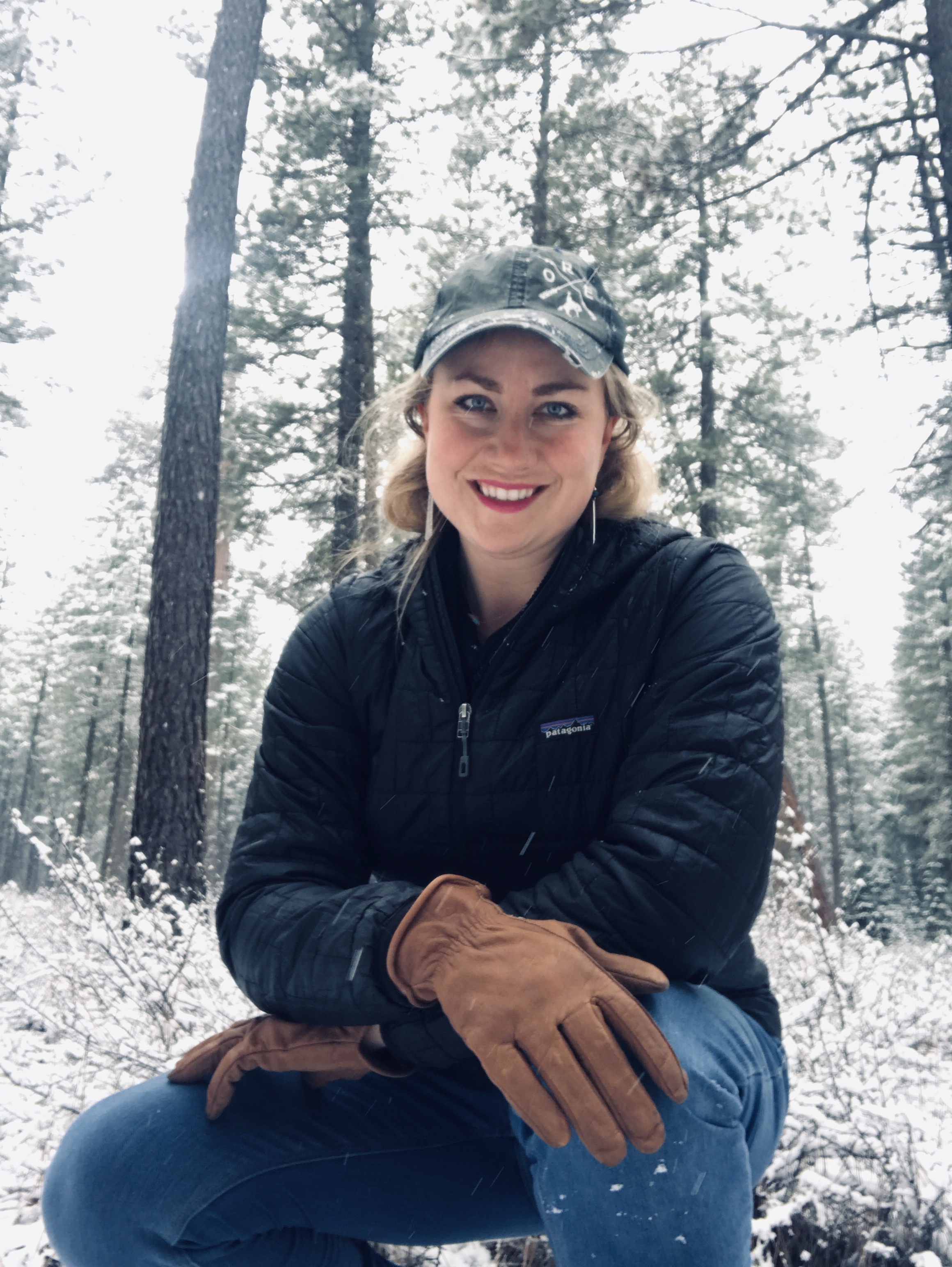
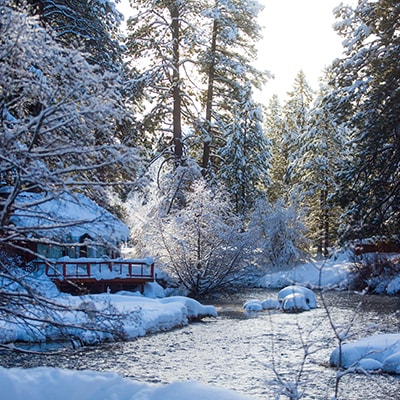
As I write this I am sitting in a cabin with six inches of snow on the ground aside the Metolius river in Camp Sherman, Oregon. Trees bending with white on their branches surround me and the only sound is the trickling of water just beyond the back porch. I am writing on a note pad because there is no phone or internet and my laptop is dead. There is a fire, food in the antiquated fridge, and a claw-foot tub where I plan on spending a good portion of my evening reading a book about survival in Alaska. I am theoretically supposed to depart tomorrow, but my introvert self is pondering how I might negotiate a longer stay.

metolius

Not far from my cabin…

Part of my job as a mental health professional is navigating crisis. To some extent, I encounter crises of varying severity on a near daily basis. Domestic violence, suicide, bankruptcy, psychosis, homelessness, and addiction to name a few. Not much surprises me anymore and I like to think I have become equipped at confronting crisis with concern while not letting the emotion of a situation overcome my judgement.

These other crises have not stopped being relevant, but the attention they receive, which is often too little, has been eclipsed by the demands of COVID 19. This is not to say that COVID 19 does not deserve the spotlight, but many people are facing struggles more immediate than the threat of a virus. And what’s worse, is that those struggles existing before we knew about COVID 19 may be even more amplified amid the widespread disruption.

And that leads me back to my present comforts of the cabin. It is not lost to me how so very privileged my position is. Crises tend to illuminate privilege and inequities. As much as I want to find solace in this place where denial comes easy, I thank my upbringing for making me question the ethics of my indulgence. There is little room for empathy in denial and I am reminded that self-preservation can coexist with compassion.

The disruption has given us all challenges. Some of us are used to dysfunction and chaos…COVID 19 might be just adding to the plate. Some of us resent canceled conferences, fundraisers, vacations, and sport games. Some of us are wondering how the bills will be paid. Some of us have to work even harder to find a meal, shelter, and warmth. It has triggered grief reactions for a lot of us- whether it was the game we didn’t get to watch, the trip we didn’t get to take, the family members we cannot see, or the support we can no longer access.

Beauty blooms when we can redirect our fear to gratitude, recognize our privilege, and even in a place of social distancing find ways to connect and reach out to our community.

empathy

If you have a job that allows for remote work, a living wage, a healthy body, a younger body, supports at home, a safe home, and insurance you are in the minority and yes, you are privileged. Those of us that are lucky enough to be in such a position ought to be giving what we can, doing what we can, and advocating when we can.

Here are 10 things to consider: 

  1. Reach out to older neighbors. Offer to buy groceries. Offer to help them with technology. 
  2. Buy gift cards to your favorite restaurants you might not want to physically visit. 
  3. Share toilet paper- got lucky at Costco? Some folks are too afraid to walk out their door. And please, don’t TP my yard…or anybody else’s for that matter.   
  4. Give to local food banks. Don’t want to give up food? Give money. 
  5. Like babysitting? A whole lot of parents are wondering what the heck to do with their kids. Offer your help. 
  6.  Send a word of encouragement to healthcare workers and first responders. They are on the front lines and we owe them a lot of thanks. 
  7. Please only share information that is factually based. If you don’t know, do more due diligence and stop the spread of inaccuracies. 
  8. Please remember non-profits. Many non-profits have had to forego annual fundraising events. Give more now if you can. 
  9. Need a break? Hit the woods, go to the beach, get out in nature.  
  10. Acknowledge your privilege.  

community2

There are undoubtedly unknowns as we all navigate the complexities and challenges COVID 19 is forcing us to confront. What is for certain is that denial will not allow for progress. Self-preservation without empathy is letting fear win the day and progress born from fear is not nearly as sustainable as progress born from compassion. So please keep remembering to wash your hands…but please also remember your neighbor. And despite a bit of stubborn reluctance, I will depart from the cabin tomorrow. Stay safe everyone.

Thank you for listening everyone. Wishing you wellness.

With gratitude,

IMG-7774


Audry Van Houweling, Owner, She Soars Psychiatry, LLC

www.shesoarspsych.com

Sisters & Silverton, Oregon