Money on the mind: The intersection between money & mental health

In my day job, I spend a lot of time talking to patients about relationships. To partners, to children, to coworkers, to themselves, but more frequently, the conversation has shifted to a personal relationship with something too often ignored in the healthcare office…money. And as it turns out, money has a way of impacting just about every other relationship too.

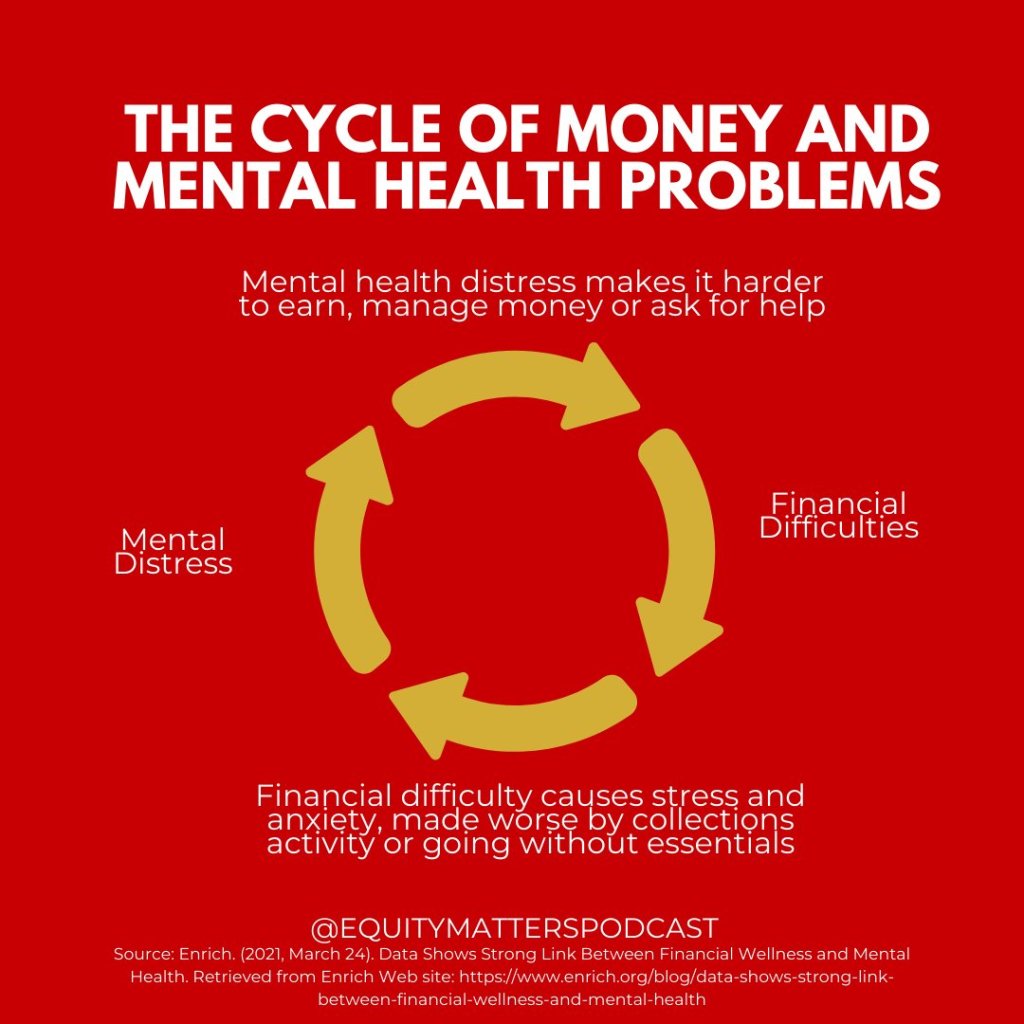
In the wake of inflation, warnings of a looming recession, climbing interest rates, and increasing cost of living, money is officially ‘on the mind’. Nearly two-thirds of Americans are living paycheck-paycheck. Less than half of U.S. adults have enough savings to cover three months of expenses. In my office, financial woes and trepidations frequently top the list of concerns and are often married with feelings of anxiety, shame, envy, fear, denial, avoidance, and despair. Certainly, when in the midst of mental health challenges, there can also be further difficulties in managing finances. According to researchers, financial hardships increases the risk for suicide 20-fold. Apart from the typical guidance on deep breathing, meditation, and positive self-talk, the art of budgeting and financial resourcing seems to be just as paramount to meeting current emotional challenges.
Personal finance was essentially absent in my academic curriculum. While the tide is shifting slowly, personal finance is still today often seen as an elective rather than a standard for youth. While I stood on the valedictorian stage, I had no concept of interest, credit, mortgages, down payments, the mechanics of saving, or investing. I gleefully treated myself to shopping sprees courtesy of my bonus checks from high interest student loans thinking it was somehow free money. I didn’t understand how anybody bought a house believing the only option was to pay outright with cash, and I definitely maxed out my emergency 500.00 limit credit card co-signed by my parents more than a dozen times (mostly on so-called ‘emergency’ take-out). Sorry mom and dad.

When I moved to the wilds of Wyoming in my early 20s for nursing school- states away from the free meals and free laundry home always guaranteed, it was clear that this new concept of adulting necessitated stepping out of my naivete around financial wherewithal. And so, I wandered to a local thrift store, found a used Suze Orman book, and started reading.

Regardless of your feelings about it, our society runs on capitalism. In this model, access to money means access to choice and in my book, access to choice is access to freedom. Not surprisingly, when money is hard to come by, this can leave one feeling trapped, unsafe, and threatened triggering our primal fight, flight, or freeze system conditioned for survival. How much desperation, chronic disease, depression, and anxiety can be traced back to a money trail? To policies keeping people stuck? To a lack of financial literacy? The point is that money and our beliefs surrounding money have huge implications in our health and welfare. We know this, we don’t talk about it enough, and we need to improve on the language and tools around financial well-being.
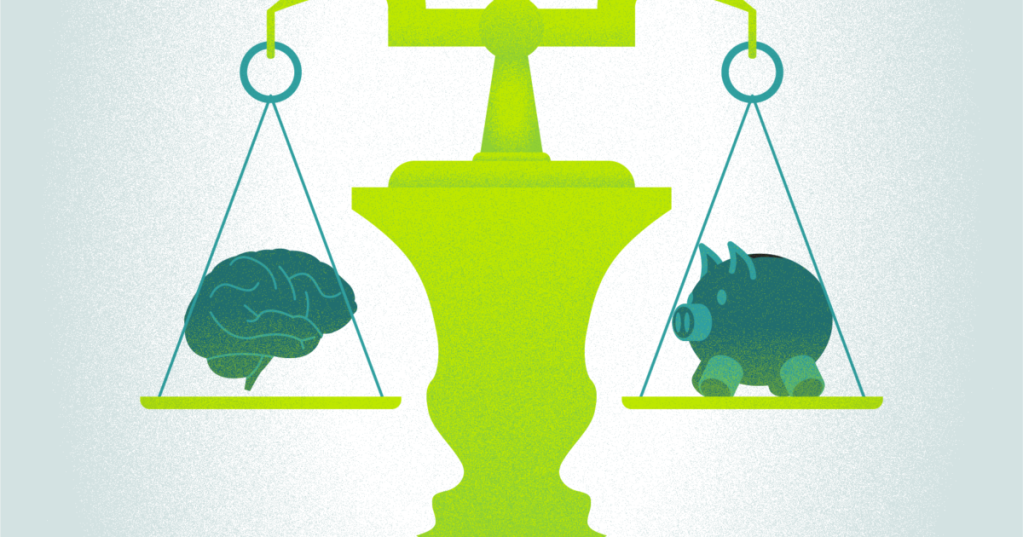
Some of us are in positions where our financial well-being is dependent on another. I am not going to trample on beliefs or traditions, but the fragility of such a financial ecosystem should be acknowledged as both the provider and dependents can face unique stressors. Regardless of who is bringing home the bigger paycheck, understanding the underpinnings and logistics of financial stewardship is important for all of us nonetheless. Financial stability should not be taken for granted. Power dynamics around finances can turn ugly really quick and are too often a hallmark in abuse and manipulation. I don’t recommend it.

Ultimately, as many concepts in mental health lead to, we come to a point where advocacy is essential to forward progress. We meet the intersection where policies directly impact symptomology. Access to financial capital, opportunity, and financial literacy is no exception. Standardized education around personal finance, affordable housing, enhanced job training programs, affordable pathways to career advancement, & reforming public welfare systems are just a few items worth speaking to. And as we continue to evolve our understanding of holistic wellness, we can’t afford shyness around bringing up the Benjamins.

Thank you for listening, everyone.

With gratitude,
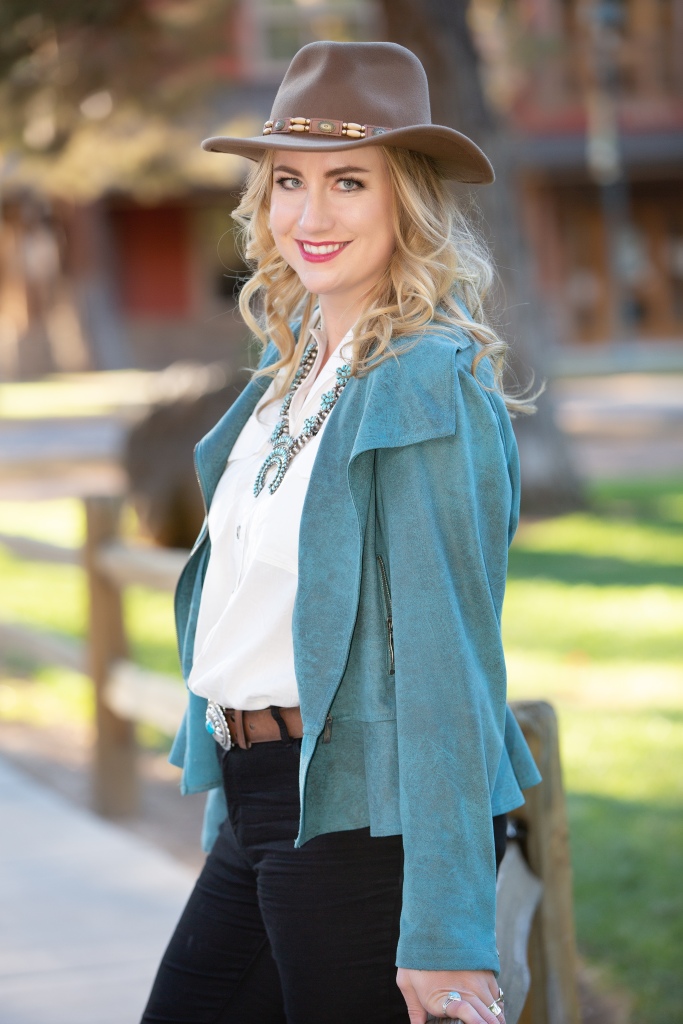
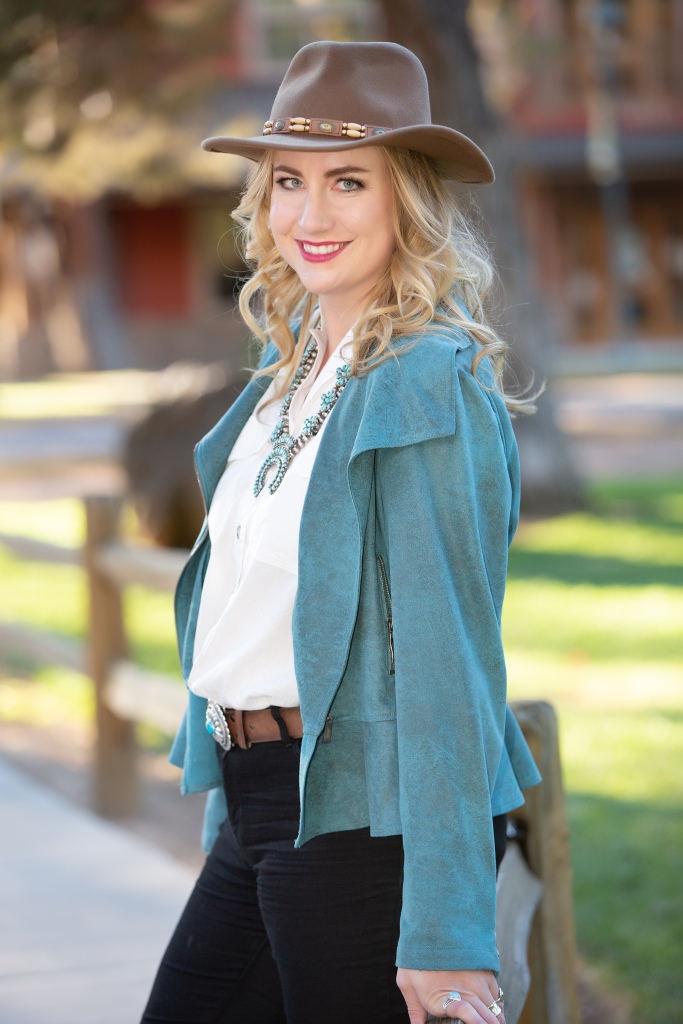
Audry Van Houweling, Owner, She Soars Psychiatry

Sisters & Silverton, Oregon

Will You Weep for Her?

Will You Weep for Her?  

Will you weep for her as she stands at a crossroads? 

Both roads sure to have risks, unknowns, twists… 

Will you weep for her as she contemplates trying to carry a secret 

A secret soon to come out of hiding as the baggy sweatshirt fails to hide the contours  

Of the unborn life blooming in her belly 

Crowds flock to weep for this unborn life, but will they weep for her?  

Will you weep for her as the story she tells becomes a mountain of shame? 

A so-called celebration turned into isolation 

She worries, prays joy will replace fear, waits… 

Will you weep for her as forced bedrest takes over her livelihood? 

As bills pile up and her body rebels 

Will you weep for her as she postpones dreams for dimes?  

You can do it all so they say…and a burden she does not wish to be 

Will you weep for her as she feigns faint smiles to onlookers? 

Wanting desperation to go undetected. 

Will you weep for her as shaky supports dwindle? 

As the once upon a time prince becomes a coward 

Abandonment all too familiar on repeat 

And she wonders, can I survive this? 

Life, liberty, & the pursuit of happiness blur into murky waters 

Will you weep for her as her body stretches overcome with primal pain 

Screaming without an anchor as she squeezes the nurses hand 

The unborn becomes born 

Pressed against her swollen chest 

A paradox of joy and fear 

Will you weep for her as she struggles through sleepless nights 

Help is fleeting and more help breaks the bank

Without a compass, a captain, or crew mates, navigation is daunting 

She sings the only lullaby sang once to her by a kind face long gone 

How do you build a family when family has never been defined?


Will you weep for her as she scavenges for discounts 

Welcoming kind hearts, but not wanting to be anybody’s charity case 

Diapers, formula, doctor’s visits, clothes and more clothes 

Faced with questions, dilemmas… 

How to support a child without work?  

How to support a child with work? 

Sometimes she wants to run away from it all.  

Sometimes she gets lost in darkness.  

Do you weep for her as she grasps for her worth? 

In a society failing to treasure the crown of motherhood 

Will you weep for the child as he grows 

Mother working two jobs to sustain 

Never has he known a father 

Protective of his mother, hiding his shadows… 

She doesn’t need to know 

Desperate for belonging, he strays 

Will you weep for the child turned into a man 

Who found solidarity in the streets 

They told him he was one of them 

They told him he was strong 

He writes his mother from behind steel bars 

Will you weep for her?  

A mother with the burden of a broken heart 

Will my baby boy make it? She cries. 

Don’t they remember they wept for him in my belly?  

Who weeps for him now? 

Who wipes his tears? My tears? 

She falls to her knees each night  

Praying to God that her baby be protected 

That she might have the strength to carry on 

And she does with tired eyes and bones that feel brittle 

One. Day. At. A. Time. 

Will you weep for her? 

.

This poem is dedicated to all the mothers and mothers-to-be who know the meaning of struggle and sacrifice as they navigate raising our youth in a society that offers few reassurances and safeguards. Protecting life means showing up for the unborn and already born. Mothers are the backbone of our communities. Honoring them, acknowledging their hardships, and creating policies that allow their worlds to expand rather than become smaller, are essential components to protecting the welfare, health, and livelihoods of current and future generations.

Written by Audry Van Houweling, Owner & Founder

She soars Psychiatry, LLC www.shesoarspsych.com

Sisters & Silverton, Oregon

A New Year’s Wish for 2022: Civility

Feelings of powerlessness are insidious. While sometimes an opportunity for productive action, most often they plunge us into a state of primitive adrenaline: fight, flight, or freeze. These feelings may echo times of powerlessness from times past. They have a knack for triggering the shadows of our inner child, our greatest fears, and fortifying our defenses primed from traumas gone by. When faced with trauma, it is not simply the event itself per se that is damaging, but the surrounding feelings of powerlessness themselves leaving us feeling lost, unknowing, exposed, and shaken.  

Powerlessness has encircled the world the last two years. I could give you the (long) laundry list as to why, but I think we have all seen that list many times by now. It has left many of us looking for solutions, avenues to control, somebody to blame. The muddy waters and complexities surrounding circumstances of the past two years, have given us an unfinished narrative. How did this happen? Who is to blame? What is the best course of action? When does this end? Instead of being able to sit with a storyline that is very much “under construction”, we seek to fill the gaps with our own handywork. We create a story for ourselves that best provides a sense of safety, freedom, and control. We create our own enemies, our own protagonists, and our own plot twists. We each carry our own manuscript informed by layers of experience, culture, beliefs, opportunity, adversity, and relationships encompassing the multi-chapter, pre-COVID prologue unique to each of us. 

Civility costs nothing and buys everything.”

Mary Worley Montagu

Evolution has taught us that when most vulnerable and powerless, we are stronger with a tribe. Our relationship to others is central to our identity and consequent behavior. Prior to the digital age (and COVID), connections to a group were solidified face-face. Emotions, sentiment, tone, and body language could be appreciated. While opportunities for face-face engagement continue to exist, our social affiliations have become far more informed by algorithmic and superficial mechanisms that pave the way for hate and extremism as the ethics of civil engagement are stripped away. Our media feeds often hijack critical thinking skills and discernment. While many of us desire decency and common courtesy, we are also being manipulated into territorialism as our fears and vulnerabilities are exploited. Powerlessness and fear can be genuine but, can also be manufactured.  

With many of us triggered and primed to project our fears, we may find ourselves more skeptical, untrusting, skittish, withdrawn, and fearful of judgment. Civility seems riskier as it demands a loosening of our defenses in a time where self-preservation seems so critical. Finding a scapegoat gives us false reassurance that there is a target, a definable problem, some entity to be fixed or silenced. More than anything, finding a scapegoat allows us to bypass responsibility and escape vulnerability. 

When I see somebody overcome by anger or fear in my office, I often find myself envisioning them as a child. What happened? What informed such a reaction? What struggle is behind the emotion? We all have our dark places, our shadows. As unfair as it might be, we are not necessarily responsible for what happened to us, but inevitably most of us are responsible for how we respond to it. This is not always easy, is laced with privilege, and often cannot be done without help along the way.  

“The wound is not my fault, but the healing is my responsibility.”

Marianne Williamson

Our mind plays a lot of tricks on us. What might allow for fleeting feelings of safety or control, may not be productive and can sometimes be harmful. Having convictions can be admirable, but if we are too zealous, we back ourselves into our own corner. Rigid beliefs and behaviors lead to stagnation, the inability to grow, and lost opportunities for connection. Our world shrinks. Resourcefulness, openness, and flexibility become limited. Clutching tightly to certain labels, affiliations, and marking our territory on either side of the fence can have the allure of power. Perhaps, instead of having to choose a side of the fence, more applause should be given for those sitting on the fence thoughtfully observing either side, learning to be comfortable with ambivalence. 

As the natural transition of 2022 is upon us, my secret wish is that we can all have the courage to be introspective…to own our energy, our shadows, and our responses. When we find ourselves saddled with anger, fear, and resentment, let’s hope we can all do better at opening the door for self-compassion and reflection rather than sabotaging with projection and blame. We owe it to ourselves, we definitely owe it to our youth, and the world will thank us for it. 

Cheers to civility, cheers to kindness, cheers to responsibility. Happy New Year! 

With gratitude,

Audry Van Houweling, Owner, She Soars Psychiatry, LLC

Sisters & Silverton, Oregon
www.shesoarspsych.com

The Myth of the “True Self”

I went rummaging through my garage the other day. With every intention of finding my plastic pumpkin to put on my doorstep in a half-hearted effort to appear festive, I instead came upon one of those old keepsake boxes lodged somewhere between my camping supplies and rusted paint canisters. Needless to say, I forgot about my pumpkin for the next couple hours. 

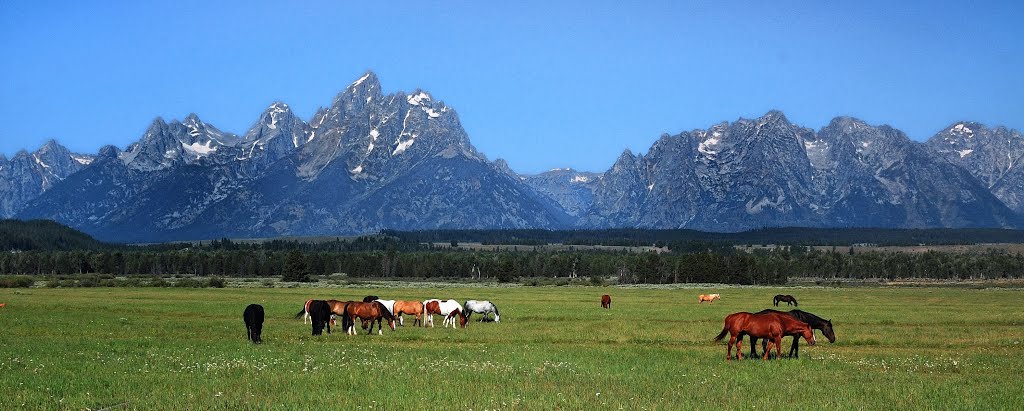
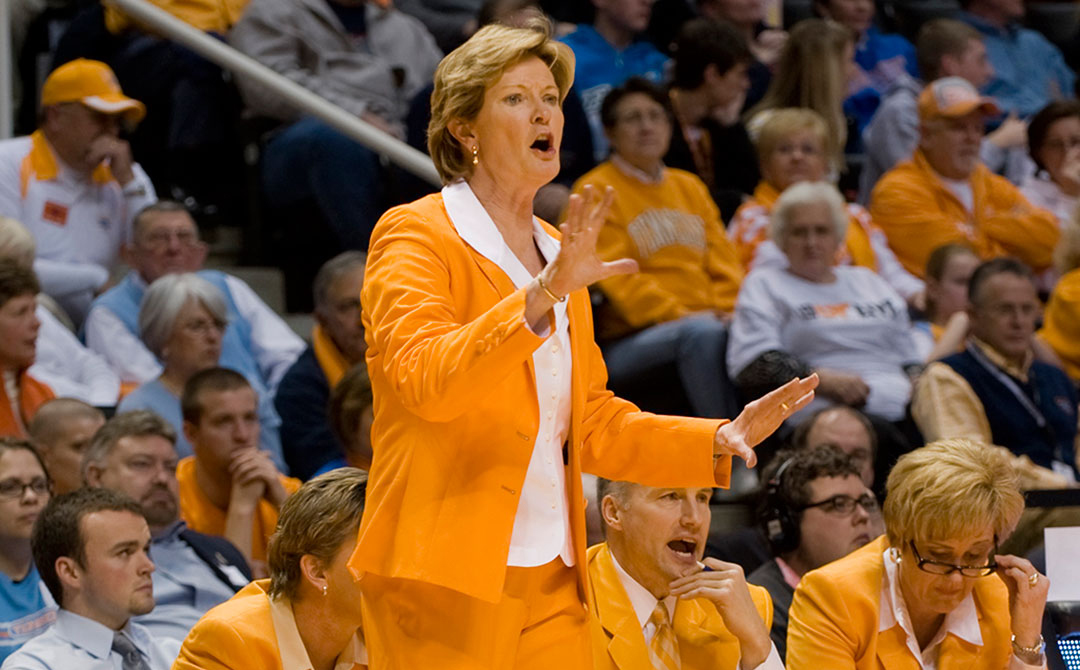
I came across a report written when I was 15. It was my then (very serious) life plan. Always a planner, the 10-page timeline composed with typical adolescent invincibility and certainty, outlined with remarkable detail how life will proceed…I played basketball for the legendary Pat Summitt at the University of Tennessee, I became a veterinarian, I decided not to marry until I was exactly 27 years old, I married a fellow vet (apparently named Kevin) who as luck would have it, was a previous Abercrombie & Fitch model…we had 3 children illustrated by cut-outs from the JC Penney catalog, we moved to Jackson Hole, Wyoming, and magically had the means to buy a multi-million-dollar equine estate on 50 acres against the Tetons. Perhaps it was Kevin’s modeling royalties? Not sure. 

Not to delve too far into my life story, but my teenage self who was very married to her idea of authenticity did not have as functional a crystal ball as she thought. Fast forwarding, I got married at 22, settled for hooping it up during late night pick-up games…mostly schooling my future husband who while quite attractive, did not hail from Abercrombie & Fitch…we did live in Wyoming for a while in a very economical however structurally questionable apartment (one of our 10 post-marriage moves), and we are for now settled in Sisters, Oregon with four-legged children only.  

All this to say that as much as we might feel we are staying allegiant to our authenticity in the moment, life has a way of surprising us.  

Stop Seeking and Just Be 

The quest for the ‘true self’ has been touted in pop culture and psychology as something the enlightened human ought to uncover. It has inspired modalities of therapy, meditations, retreats, podcasts, and God only knows how many self-help books. There is some implication that with enough introspection and self-discovery, we ought to find our ‘true self’ at the end of some rainbow and then hope to hold on to him/her forever. It is all a bit overrated in my book.

If we are getting scientific, how we feel and perceive ourselves and those around us is so multifaceted around physiology, environment, and circumstance, that one could argue that we wake up a new animal each morning. The idea of unearthing our true self and remaining in perpetual alignment is simply, not aligned with the human experience. 

A lot of anxiety comes for folks in the perceived quest for happiness. We develop benchmarks for contentment. When I lose 10 pounds…when I own a house…when I advance my career…when I fall in love. We chase ideas of “reaching our full potential”, or finding our “purpose”, and yes, the perpetual and never fully fruitful quest of finding our “true self”. Problem is that while on that quest we can lose sight of the present. Perhaps we ought to change the narrative that the true self is found in simple acknowledgement of who we are in this moment. Goals are good, but postponing contentment erases purpose altogether. 

Social Incentives 

When we make a mistake or behave in a way we regret, we may often find ourselves saying, “that was just not like me” or “that’s not who I am”. It seems that a lot of our perception of what our true self ought to be is closely aligned with concepts of reputation and social acceptance. This makes good sense in the lens of evolutionary psychology that proposes we are ultimately more protected as an individual when we can make friends and have allies. Interestingly, research has suggested that our perceived authenticity is stronger when we are more aligned with external social structures.  

Depending on our routines, many of us may encounter multiple social settings within the course of our day…our work setting, our family setting, our friends setting, etc. How we show up in regard to personality, professionalism, and behavior is very likely to change a bit depending on the social setting. Does that mean we are foregoing our authenticity? Perhaps it just means we are adaptable and socially flexible humans. Kudos to us. 

While I am not advocating for being a doormat, we cannot separate the fact that our perception of identity is inextricably linked to our social and cultural landscape that will undoubtedly change overtime. Having a sense of our core values that help fortify our internal compass is important, but accepting these values may shift allows us the space to redefine meaning throughout our life. 

Finding Peace in the Dissonance 

Humans are strange creatures. If we were all strictly allegiant to authentically expressing our internal thoughts and feelings, we would all undoubtedly be locked up. We all have our shadows, our moments of scary thoughts, sometimes violent thoughts, sometimes just plain weird thoughts. While we will have our slip ups, many of us have learned through supportive social conditioning how to filter and redirect such moments. Much of the time we can play the role of a decent human without our moments of internal recklessness being found out. 

There will always be a degree of dissonance between our internal thought life and our external expressions of identity. Sometimes we can be too painfully aware of our inner insecurities, places of shame, and negative self-talk. Some of us become masters at masking our inner shadows, but nevertheless we can feel like imposters. We convince ourselves that the dissonance between the inside and the outside means we are fraudulent- not adhering to our “truth”. As we scroll through filtered, blissful images on social media we can furthermore become convinced that others have somehow figured out this game of inner and outer harmony that we are seemingly lacking. We are all fooling ourselves. 

How Can You Best Show Up Today? 

Many of us may be aware of the ways we can improve, our opportunities for growth, our goals. We may have convinced ourselves that in order to find our “truth” that such conditions need to be met. Have you ever asked yourself what happens in the meantime however? 

Forget about your true self. Let go of the quest. What about your best self—today? With everything that has culminated thus far, how can you best show up for yourself today and in this moment? How about for others? Something else may transpire tomorrow. Your best self may change. Trust that your best is simply enough. 

For now, my best self will return to the garage on the very important quest to find my adrift plastic pumpkin. 

Thanks for listening everyone.

With gratitude,

Audry Van Houweling, Owner, She Soars Psychiatry, LLC

Sisters & Silverton, Oregon
www.shesoarspsych.com

Fragility, grit, & grace…Reflections of a year gone by

It has been over a year since the shut down. The virus has claimed lives and livelihoods. Yes, there has been opportunity for reflection and silver linings, but nobody has escaped some feeling of loss. Our world has changed. We have changed. Despite nostalgia for times of yesteryear, moving forward demands a sort of radical acceptance, resilience, adaptability, and a stubborn resolve to find meaning in the madness. 

Insecurity in Isolation  

It is probably true that we have all become more acquainted with our own emotional fragility. The pandemic, financial disruption, political upheaval, housing shortages, natural disasters, and extremism among other challenges have impacted near all of us with trauma either experienced directly or witnessed up close. The physiology of stress…repeated surges of cortisol and adrenaline and the familiar feelings of fight, flight, or freeze have left many of us feeling some version of wired (but tired), hypervigilant, skeptical, uncertain, and perhaps just burnt out. Our brains have been stretched and pulled as adjustments to our routine and our sense of safety have been many. While perhaps circumstantial, the shifts of the past year have meant fundamental physiological and neurobiological changes that have precipitated or amplified depression, anxiety, and burnout among other mental health concerns. Let’s just say, I thought my work was busy in 2019-2020, but 2020-2021 took it to a whole other level. 

I count myself lucky that in my job I bear witness to what’s “behind the mask” and beyond the small talk. For selfish reasons, the honesty and vulnerability I have the privilege or being part of, reminds me that my own fragile moments are amid good company. Nevertheless, as I have become more acquainted than I ever really wanted to with the virtual ways of operating and, like most everyone, have had far fewer social engagements than usual, the voids of lost face-face engagements can often be filled with insecurities. With fewer opportunities to converse, to compare, and to share, it can feel like we are standing on shaky ground. As we scan through social media, FOMO (Fear. Of. Missing. Out.)  is real as ever…how does my quarantine stack up against others? What does success look like now? How are ambitions unleashed with so much red tape? As for myself, it is the nagging ever-present voice in the background of, “am I doing enough?” What is enough? Beats me. 

The Complexities of Social Engagement 

I think I miss the dynamics of human synergy the most. People coming together for a common goal. Cheering at a sports game, swaying with strangers at a concert, sharing a meal, geeking out with like-minded professionals at packed conferences. 

Amid the pandemic, my home state of Oregon suffered devastating calamites as wildfires swallowed up whole communities and ice storms froze power, communication, and left forests and homes mangled across the Willamette Valley. And yet in the aftermath, the collective willpower and good deeds of so many was a welcome shift from division and isolation. Synergy in motion. 

Having said this, I have always enjoyed the pursuits of an introvert. Running in the woods, riding my horse through sagebrush against the mountains, road trips on back roads. Perhaps it is the rising intensity of emotional inputs the past year, or the frequent displays of division and hate, but while a part of me is wistful for the energy of humanity, every once in a while, disillusionment creeps in and I fantasize about my own version of Into the Wild.  

Thankfully, I have a job that demands daily communication with real humans- it keep my communication skills a bit more fresh. Worth noting however, is the very real social awkwardness in the aftermath of isolation, dodging strangers on sidewalks, and virtual handshakes. The prospect of socializing for some can feel…frankly, sort of weird. 

A Year for our Youth 

Gosh. Can we just take a few moments of silence for the losses our youth have had to endure? What a year.

During my adolescent years (a case study for another day), much of my motivation to be somewhat productive came from the validation I might gain from others…my peers, my family, my teachers, my coaches. The rest of my energy was spent on a healthy dose of rebellion. Like most young people, feedback was critical to my identity, my perception of myself, and the budding of my core values. Let’s just say, the forced isolation of COVID would have been a wrecking ball.  

While (some) adults may have an edge on perspective, the world stopped for so many of our youth. The proverbial ‘light at the end of the tunnel’ was hard to grasp. Self-discovery, social engagement, and a sense of forward momentum were all disrupted in big ways. Insecurities, anxiety, and depression skyrocketed while motivation sank as opportunities for validation, socialization, accomplishment, and encouragement dwindled. Furthermore, for young folks facing instability and dysfunction at home, they were without the welcome respites of school and other pre-COVID outlets.  

This has been tough stuff, but if there is anything I am hopeful about, it is the grit and compassion I see radiating from our youth on the daily. They deserve more of a voice, and we need to listen. 

A Call for Grace 

While the world looks to slowly open its doors, many of us are a little raw around the edges. Social engagement may seem exciting and terrifying all at once. Our cups may have runneth over as our emotional capacity has been tested. For some of us, the loss and pain has come as a gush overwhelming our holding power with rapid force. For others, it has been a slow drip that suddenly we cannot contain. Traumas have been both overt and subtle. Pain and loss can deepen bitterness but can also deepen empathy. As the world continues to evolve and shift, my hope is that we can hold a bit more patience, a bit more empathy, and a bit more grace for ourselves and one another.

Be gentle. Stay open. Stay hopeful. 

With gratitude,

Audry Van Houweling

Owner & Founder, She Soars Psychiatry, LLC

www.shesoarspsych.com

https://www.facebook.com/shesoarspsych/

In Search of Ruby Red Slippers… The Intersection Between Mental Health and the Housing Crisis

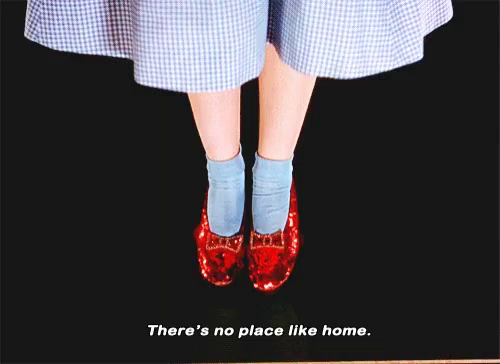
It’s true, Dorothy…there’s no place like home.

In 2014 my husband and I started the search for our first home in the idyllic and pastoral town of Silverton, Oregon. Like many Millennials, we had embraced nomadism hopping from one college town to the next, finishing our degrees, working when we could, and doing our best to scrape up enough savings to make homeownership a reality.  

When we arrived in Silverton in the summer of 2014 we were pampered by a weekend-long real estate tour complete with luncheons and leisurely tours from home to home as we half-way pretended to know how to scrutinize and discern our options. Historic craftsman or new build? Farmhouse or neighborly cul de sac? One story or two stories?  At the end of the weekend our realtor told us to sleep on it and take our time. We made a decision and with relative ease, we effectively moved away from the yellow brick road, tapped our ruby red slippers, and found our home. 

This all seems like a bit of a dream compared to current day realities. Dorothy’s ruby red slippers are far more elusive. Leisurely tours and long luncheons are out as the housing shortage and historically low inventory has pushed supply and demand to its brink. The task of finding a decent home is now too often laced with competition, angst, and for some, desperation. 

In my home state of Oregon, historically low inventory across the state has meant potential buyers are pressured to act fast facing sometimes daunting bidding wars, multiple rejected offers, and the reality of having to make concessions in order that their offer stands above the rest. Furthermore, as wildfires ripped through our state in 2020 and displaced thousands, an already meager housing market was crunched even more. Baby boomers looking to downsize have limited options, putting a pause to Generation X looking to “buy up”, limiting Millennials seeking to make their first home purchase, which ultimately keeps many in limbo leaning on an already sparse and inflated rental market.  

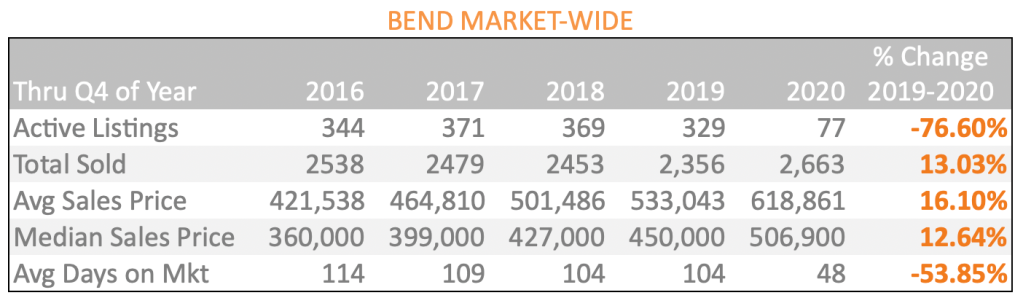
Q4 2020 Bend, Oregon Housing Market

Of course, for many, the notion of homeownership is farfetched anyhow. In an economic landscape where housing costs have far outpaced wages and nearly 40% of Americans would struggle to cover a 400.00 bill, saving for a down payment or building credit can seem beyond reach. Throughout Oregon, estimates of cost-burdened renters or homeowners (individuals or families paying upwards of 30% of household incomes) hover between 40-60 percent depending on the region. With affordable housing still woefully inadequate when matched with demand, it is not surprising that Oregon and many other states are also seeing rising rates of housing insecurity and homelessness.  

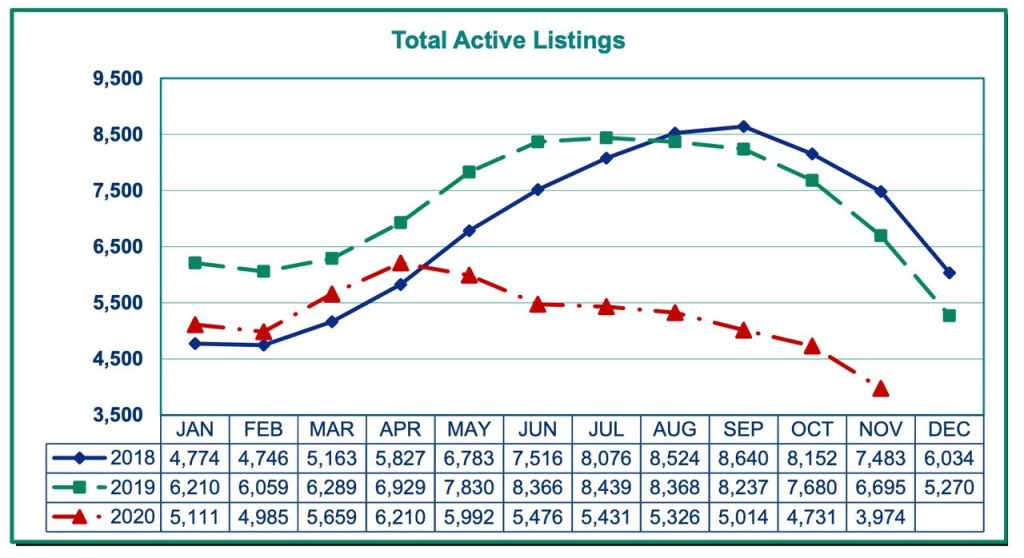
This graph shows the total active listings over the past three calendar years in the greater Portland, Oregon metropolitan area. RMLS

2020 has been (and 2021 will likely be) a time for reevaluating.  COVID, widespread financial shifts, political and social upheaval, and injustice has caused many of us to take pause and reevaluate our beliefs, relationships, work, social supports, and yes, where we call home. Some of this reevaluating has been by choice and some by sheer necessity. No longer being tied to the city office, suburbia and small-town life becomes appealing. Others are being forced to move secondary to financial hardship while break ups, divorce, death, and natural disaster have also played unique roles in the relocation boom of 2020-21.

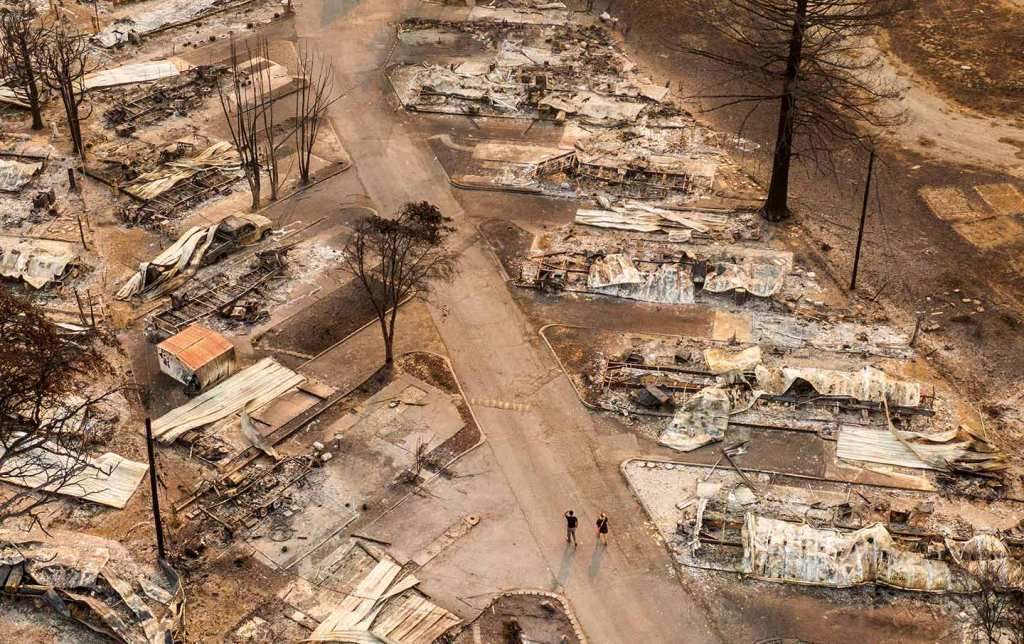
The aftermath of the Alameda Fire in Phoenix, Oregon September 2020

These moves and shifts all have a story and come up daily in my office. Relief and hope for some, desperation and worry for others. Our health and well-being are inextricably tied to where we call home.  

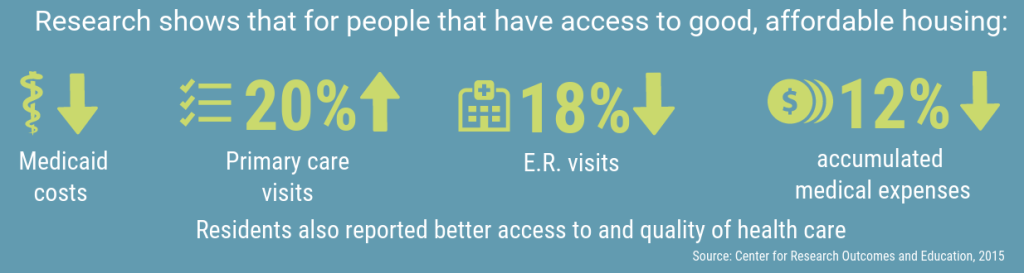
From a purely mental health perspective, housing location and affordability has been demonstrated to have clear implications with behavior, self-esteem, substance abuse, exposure to crime, and access to self-care activities. Stretched to pay rent or a monthly mortgage, families may have to sacrifice quality mental healthcare or prescription costs. Multiple moves amid rising rents increase stress and lead to poorer health and education outcomes. Overcrowding in living spaces increases the risk for emotional instability and illness. Sub-standard housing increases exposure to environmental hazards such as mold, pests, lead-based paint, and structural deficits. Ultimately, a safe and affordable home provides welcome respite for individuals and families accustomed to living in perpetual survival mode. This allows for an overall reduction in mental health symptoms, less emergency visits, improved adherence to treatment recommendations, and a lower susceptibility to trauma and violence. 

The economic case for affordable housing is also noteworthy as financial stability is pertinent to individual and collective mental health. When housing is more affordable, families have more money for discretionary spending supporting local businesses. Evictions, which spark a cascade of instability are fewer. Health expenditures are reduced as health outcomes improve. Childhood poverty, limiting academic performance and opportunity, is reduced, allowing youth to pursue education and career goals that enhance the economic output of entire communities for generations to come. 

Practical interventions for increasing affordable housing are feasible. The passing of Oregon HB 2001 in 2019 paves the way for duplexes and townhouses to be constructed in lands previously zoned for single family dwellings. Subsidies and incentives for developers ought to be expanded and the red tape of infrastructure costs, building code headaches, and design standards relaxed. Employer-assisted housing programs ought to be cultivated with rental assistance or forgivable down payment loans. Safe parking areas can provide reassurances to homeless individuals living out of their cars. Low-income rental assistance and landlord mitigation funds can help minimize evictions. Regional housing counsels can help forge multi-disciplinary partnerships intimate with the needs of a particular community.

Quality mental health is far bigger than the number of therapy rooms or savvy medication prescribers. Where we call home will always be one of the most significant determinants of our individual and collective wellness. It’s going to take hard work, commitment, and creativity, but when we prioritize the health and safety of our neighbors, we make ourselves a bit safer and healthier too. 

With gratitude,

Audry Van Houweling, Owner & Founder, She Soars Psychiatry, LLC

www.shesoarspsych.com

Sisters & Silverton, Oregon