The Legacy of Mental Health: Faulty Foundations & Future Directions

What I enjoy most about my job are the stories. Tales of resilience, trudging through struggle and persistence that is awe-inspiring. Tales of celebration and transformation allowing lightness to be just as present as the heaviness. To have the privilege to bear witness to the rawness of life—the vulnerability that may have never been spoken outside the walls of my office, is an opportunity I try not to take for granted. While diplomas hang on my office wall constituting some level of due diligence for my job, my most meaningful work does not come from a textbook or fancy training, but in the simple act of providing a platform for somebody to feel seen, heard, and validated.  

I have been asked many times why I have chosen this line of work. Put simply, a mental health provider is not for those who desire logic and certainty. It is a field that demands a draw to creativity, at least a bit of proclivity for drama, and a sustained fascination for what lies between point A and point B in a person’s life. What are the layers and circumstances behind action and behavior? But perhaps most of all, being a mental health provider demands an appreciation for mystery, ambiguity, and uncertainty.

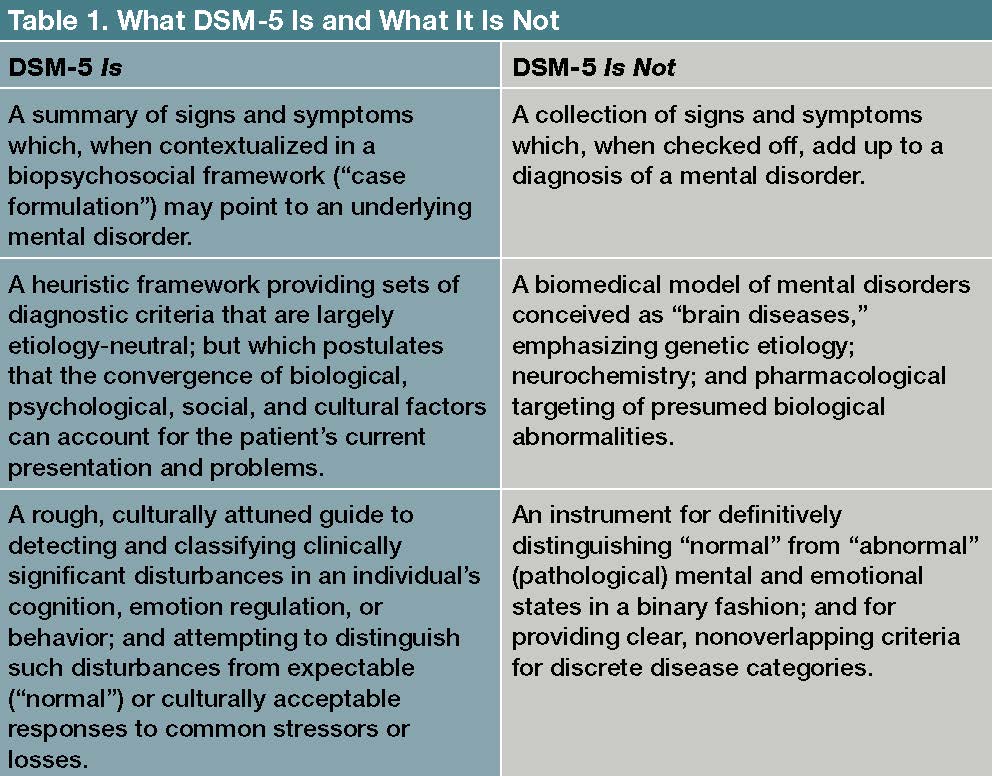
Despite attempts for algorithms and treatment protocols throughout the years, the field of psychiatry and mental health has long been on shifting sand. The first edition of the Diagnostic Statistical Manual of Mental Disorders was released in 1952 and to date, there have been eight revisions published by an appointed committee of reportedly well-regarded experts tasked with establishing what has become a bit of a subjective and culturally informed bible to the mental health profession.  

The diagnoses found in what is currently the DSM-5-TR have provided a sense of clarity and validation for many and have provided targets for specific treatments, but for most of these so-called pathological conditions, there is little scientific basis constituting them as anything more than well-thought-out descriptions of generally to be expected sequelae. The DSM has attempted to universally categorize and define the vastness of human emotion, which at its essence is deeply personal, full of paradox, interconnected, and strongly intertwined with context and circumstance. Per my opinion, we have to take it all with a grain of salt.
Alongside the subjectivity of mental health diagnoses, are widely accepted theories that depression concurrent with other mental health diagnoses constitutes an “imbalance in the brain”. This has historically referred to an imbalance or deficiency in the monoamine neurotransmitters (serotonin, dopamine, & norepinephrine). This monoamine hypothesis has served as the primary catalyst for extensive pharmaceutical campaigns promising the latest and greatest pharmaceutical agents to “restore” such imbalances. Yes, sometimes medications can be helpful and even lifesaving, but despite fancy names and multi-million-dollar ad campaigns, the extent of progress against rising rates of depression, suicide, and substance use, ought to be questioned. Extensive peer-reviewed studies have suggested that only about a third of antidepressant users will appreciate some level of improvement.
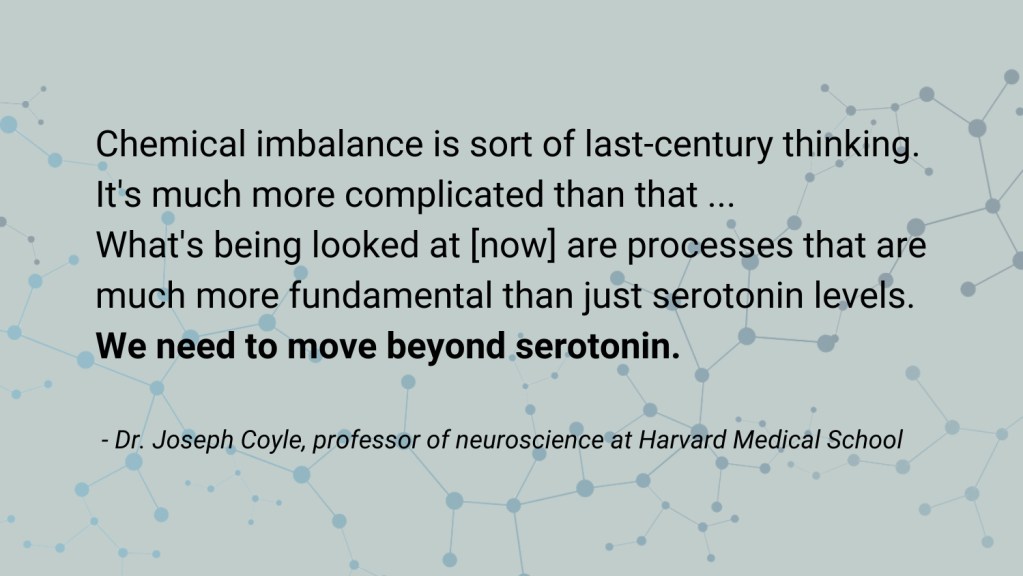
A recent extensive review conducted by University College London scientists and published in Molecular Psychiatry (July 2022) scrutinized the leading hypothesis that depression (and implicitly other mental health conditions) is a consequence of an imbalance in serotonin. In a thorough review of tens of thousands of subjects, researchers found no significant difference in serotonin levels among depressed versus healthy subjects. This shakes the foundation supporting the use of antidepressants predicated on the seemingly debunked monoamine hypothesis. With antidepressant use sharply on the rise in recent years for both adults and children, it makes one wonder how such a precarious theory became so widely accepted. And yet, I suppose that is what pharmaceutical companies do best…followed by insurance companies. While antidepressants should not be completely disregarded, the study further emphasizes the need for a holistic, contextually informed approach to mental health concerns.

The goal of emotional wellness should not be to avoid pain and sadness, but to embrace the inevitability of struggle balanced with the hope to cultivate moments of joy, gratitude, and connection. It is a quest that is undoubtedly easier for those with resources and supports and has also become difficult when up against our mainstream culture that exploits insecurities, fear tactics, time scarcity, and has cast a long shadow of existential gloom for many of us. Simultaneously, the prevailing message of mainstream mental health is that accommodations ought to be made per our discomforts perpetuating the idea that we are entitled to the path of least resistance. Our tolerance for struggle has dwindled and our resilience has faltered with it. 

Regardless of nostalgia for better times, the world has always had its dark spots. In times past, we had more distance from it all as we awaited the daily newspaper or a phone call. Now, exposure and susceptibility to vicarious trauma is only one click away and as immediate as ever. Adults and parents seeking to buffer children from danger may be unintentionally robbing opportunities for resilience-building and transferring their own anxieties. Children are less likely to drive, get a summer job, date, do chores, and communicate face-to-face. On the outside they are growing up slower, but as soon as they pick up their device, they are confronted with a slew of emotionally charged topics that overwhelm even the most emotionally mature—divisive politics, bullying, climate change, war, death, mass shootings…who wouldn’t be anxious? 
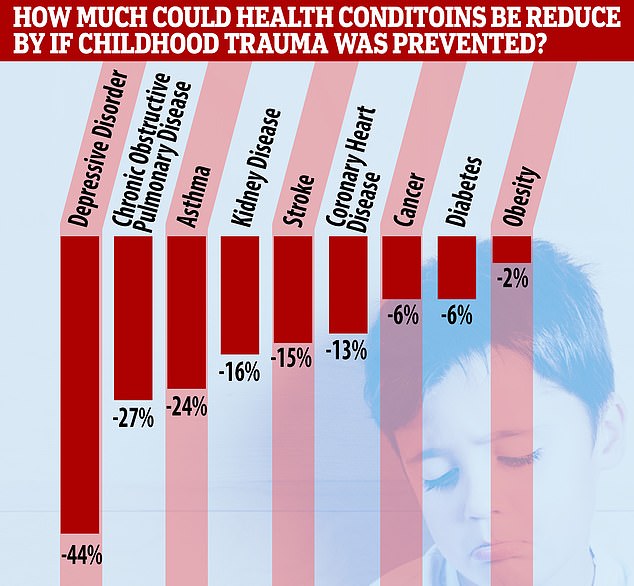
Uncomfortable emotions are part of the human experience and can be just as informative as they can be problematic. Depression, anxiety, poor focus, burnout, and other common complaints these days cannot be attributed solely to an imbalance, or a subjective description written in a manual. Depression and many other mental health diagnoses remain complex, perhaps not always a “disorder”, often rooted in trauma, and may tell us more about the angst and urgency of mainstream culture than about actual pathology.

Relying on arbitrary theories to explain emotional distress can minimize our responsibility to ourselves as we contemplate lifestyle and connection, but also to our neighbors as we contemplate policy and social reforms. Therapy and pharmaceuticals only go so far when the feelings of environmental safety and stability are frequently in jeopardy. Strengthening our collective emotional wellness demands advocacy, an acknowledgment of privilege, and innovation- a conversation we can all contribute to.

Thank you for listening, everyone.

With gratitude,

Audry Van Houweling, Owner, She Soars Psychiatry, LLC

www.shesoarspsych.com

Sisters & Silverton, Oregon
Hope despite it all…

It’s been a tough year. Tough for individuals, tough for families, tough for communities, and tough for the greater world. Layers of “tough” so to speak. As 2020 comes to a close, I think most of us have been up close and personal with the “tough”. Many of us have taken inventory of the hardships, which weigh heavier for some more than others. What may be more elusive, yet some days the only force that keeps us going, is hope.

Hope is personal. It is subjective. My concept of hope and how I go about seeking it is likely to be different than yours. We all hope in our own ways. Hope can be specific…I hope I have a good day at work, or more abstract…I hope for something better. Regardless, hope allows us to temporarily transcend the “tough” by envisioning moments that evoke feelings of happiness, peace, and/or excitement. Hope can define us, inform us, and inspire us to take action.

We are a society that loves to focus on outcomes. The outcome of our investments, our looks, our grades, our performance. When hope is too closely tied to such outcomes, it can become conditional and too often backfire. When outcomes do not come to fruition or are not as expected, hope can leave a bitter taste and for some of us, can be harder to grasp. Associating hope too closely with failed outcomes can expedite feelings of hopelessness, resentment, and despair.

Whereas conditional hope can be limiting and depleting, wholehearted hope is much more transcendent. Wholehearted hope acknowledges the tragedies as well as the triumphs. Hope is not idealism and idealism is ultimately denial. Our world has some brutal realities right now. Being able to absorb tragedy and pain without sugarcoating and still believing that something better will come is wholehearted hope. Suffering and hope are intimately connected as when we can comprehend the darkness, the light in turn can become more clear.

Wholehearted hope acknowledges the inevitabilities of life. The trials, the heartbreak, the grief, and the valleys. Implicit in wholehearted hope is the art of “letting go”, recognizing that the motions of life are all ultimately acts of hope in themselves as life itself is unpredictable, sometimes painful, sometimes joyful, and full of surprises. Wholehearted hope makes room for perspective, growth, and openness. Our greatest struggles can often be our greatest teachers. Wholehearted hope allows us to seek comfort in the small moments of beauty and kindness amid otherwise despair. And finally, wholehearted hope recognizes that while we cannot always control the circumstances that frighten, oppress, or limit us, we can still choose our response…our inner sanctum—and that is the basis of freedom.

10 WAYS TO CULTIVATE HOPE

  1. Develop a spiritual practice. Find ways to explore meaning in your life.
  2. Start a gratitude practice. Find 3 things to be thankful for each day.
  3. Seek out support from others. This is a great way to gain perspective.
  4. Be gentle with your emotions. Stay curious about how you are feeling.
  5. Recognize that most everything is fleeting. This too shall pass.
  6. Share your story- you never know who you will inspire.
  7. Find ways to serve others.
  8. Move your body. Nourish your body. Health makes hope easier to grasp.
  9. Find reasons to laugh.
  10. Stay open to growth even in tough times.

With all the layers of “tough”, it can be easy to be consumed by suffering. Hope is not an antidote to pain and cannot erase traumas that may continue to haunt us. Hope however does allow for the possibility of beauty born from pain and inspires our imagination to envision better days ahead. Perhaps this is best said from Holocaust survivor and psychologist, Edith Egar, PhD:

“Hope tells us that life is full of darkness and suffering—and yet if we survive today, tomorrow we will be free.”

Wishing you a hopeful Holiday season and New Year.

With gratitude,

Audry Van Houweling, Owner & Founder, She Soars Psychiatry

www.shesoarspsych.com

Sisters & Silverton, Oregon

Navigating the Muddy Waters of Grief

Loss is part of life. Nobody escapes it. Grief will come for us all at one time or another. Nobody gets to claim the trophy on having suffered the “most grief”. There is no such competition. Ultimately, the worst grief is your own- the loss you are personally experiencing. Grief is quite simply, the death of something or someone. Whether that is from the death of a loved one, a job, routine, a relationship, gatherings, friends, financial security, or safety, the origin(s) of your grief may remain relevant, personal, and deserve acknowledgement.

2020 has been a year of collective grief layered on top of the many grief situations that arise day to day for each of us personally. COVID has triggered grief en masse across the world and yet, has also impacted each of us as individuals. While solidarity and empathy create a necessary buffer for our grief, how we process loss is ultimately unique and often solitary.

When wildfires engulfed my home state and the smoke laid down a heavy, eerie blanket, it all felt a bit too close. This on top of COVID, political unrest, division, and disruption made optimism hard to grasp. Gratitude and grief were close companions coexisting day after day as stories were shared of devastation, perseverance, despair, and hope. A whole host of paradoxical emotions. And then tragedy struck my hometown of Sisters as we lost four young lives known intimately by our small community in a period of two weeks.

I have had my stack of losses just like most people, but it can be hard to claim grief sometimes…to feel justified to name it. For me, this is complicated at times by a sort of survivor’s guilt. How can I claim to be grieving amid so much privilege? Am I justified to grieve while others face incomprehensible loss?  

While some grief can feel identifiable and concrete, this has also been a year of grief not so well defined or as it is so termed, ambiguous grief. It is the loss of what is less tangible—our boundaries, our safety, our sense of balance, the sense of routine, and predictability. In my professional life as a mental health provider, as the layers of grief compound for the communities I serve, I grieve my ability to provide reassurance and resources that not so long ago seemed so much more accessible. I grieve the capacity that seems to be outstretched for so many- capacity for joy, spontaneity, stress, compassion, grace, and resilience. As people max out their threshold or “hit a wall” so to speak, they often withdraw and the empathy our world so desperately needs becomes harder to inspire.

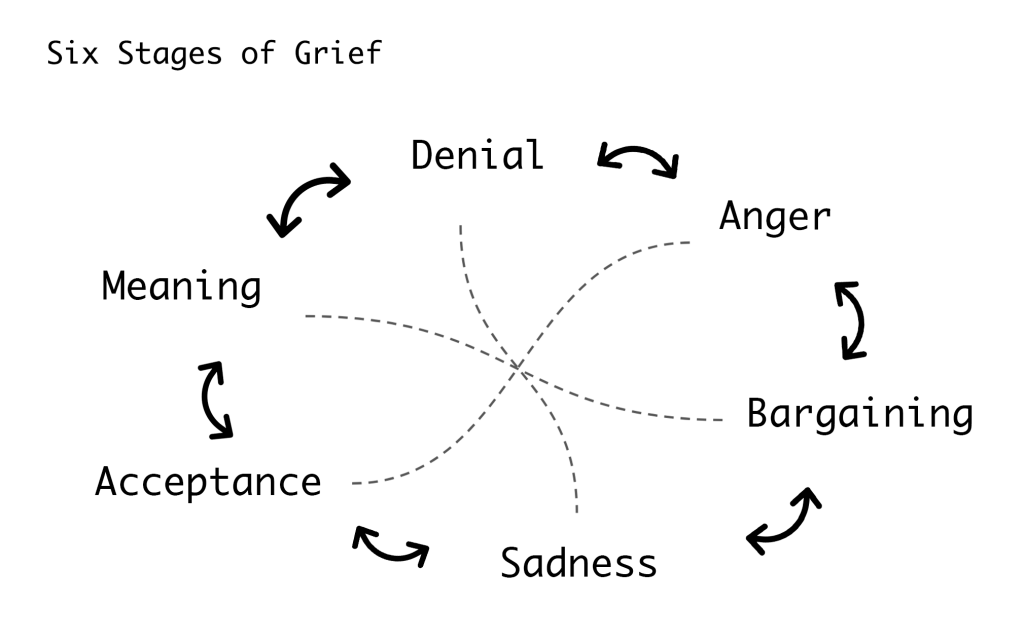
We must be careful not to judge one another for how we choose to grieve. While we may be facing similar losses, it is so important we make room for each other’s process. Elizabeth Kubler-Ross first named the five stages of grief in 1969: denial, anger, bargaining, depression, and acceptance. Years later, her colleague, David Kessler termed the sixth stage of grief, finding meaning. While these stages describe patterns, it is important to know that grief is by no means linear and emotions can shift without predictability. Grief is also not “a journey” as it is often called. A journey implies a final destination. Grief evolves, but does not end.

Finding meaning amid loss can soften the hardness of it all. It goes further than acceptance and allows for the possibility of hope.

Finding meaning does not mean we have to ascribe to the sort of toxic positivity that suggests we must be grateful for our traumas or losses because it makes us “stronger”. It does not mean we have to believe things happen for a reason. Our loss does not have to be called a test, or karma, or “an opportunity”. I do not think there is necessarily a deep meaning to somebody losing everything in a fire, losing a child, suicide, or somebody dying behind a sheet of plastic apart from their loved ones. You do not have to understand why loss happens to find meaning. Finding meaning also does not mean we get to bypass the pain of loss by some sort of spiritual transcendence. Ultimately, we have to feel to heal.

What can be meaningful is our personal journey following loss. The “meaning” is not the loss itself, but what transpires within us thereafter. Perhaps we grow in compassion, in wisdom, in empathy, in grace. We can feel grateful for who or what was once in existence and grasp the possibility of our lives being meaningful despite the loss of such.

Our resilience through grief is made so much stronger when we come together. If we are not careful, we can become too territorial in our grieving process and polarize ourselves against others. Acknowledging each other’s grief with grace and not judgment is paramount. Honoring the grief in others can also help us process and honor our own grief. Showing up for each other in ways big and small with a smile, a meal, a note of encouragement, a prayer, a donation, a moment of silence, a phone call, or simply listening can mean the difference between despair and hope.

Wishing everyone peace and comfort in these trying times.

With gratitude,

Audry Van Houweling, Owner & Founder, She Soars Psychiatry, LLC

www.shesoarspsych.com

Sisters & Silverton, Oregon

Withstanding the Ripples

Work the last few weeks has been interesting to say the least. The impact of COVID-19 has created a ripple effect for all of us. For those of us who are privileged, the greatest adjustment may be an unfamiliar boredom as we sift through Netflix, learn how to prepare meals again, and try meditating. Those of us used to a full plate, multitasking, and accessible distraction, may find discomfort in the stillness. Unresolved trauma and grief tend to surface in quiet times and if support is unavailable, the quietness can be traumatic in itself. In contrast, others are getting to rest, reflect, and perhaps heal for the first time. And then there are those of us with legitimate panic married with immense grief and adjustment. Incomes that dissipated in an instant, support systems that dissolved, hopes that were not realized, family members that fell ill, and death. For some, COVID-19 has meant a few ripples easily withstood akin to the impacts of a small pebble. For others, it may well have been an asteroid.

There is no Guidebook…

I have had many clients ask, “How should I be coping with this?”

There is little to be said for should’s and should not’s in this uncharted situation. There is no guidebook.

COVID-19 has not been the popularized romanticized slow down for many while for others, it has allowed for unexpected silver linings. There can be guilt and discomfort on both sides of the fence. Guilt for feeling positive while others are struggling and guilt for feeling angry and afraid instead of mindful and grateful. Both sides of the fence are valid, are acceptable, and can coexist.

While there is much solidarity and collectivism in the COVID-19 human experience, how we are each navigating this virigin territory is uniquely informed by our social position, privilege, background, past experiences, and core beliefs. This demands grace and patience for ourselves as well as for others. Accepting the ambiguity, the awkwardness, and the uncertainty is central to our resilience as we let go of the tension between perceptions of right and wrong.

Returning to basics…

Ultimately my suggestions in this pandemic are not so different than what I might encourage amid other situations involving grief or trauma.

Do your best to stay on a routine. The power of a schedule is that it allows for some predictability during very unpredictable times. Try to uphold what I have deemed ‘the four foundations of wellness’. Essentially, these are the necessities that can help keep our head above water:

  • Sleep: Have a wind down routine. Do your best to go to bed on a schedule and wake up on a schedule. Staying out of bed during the day helps you have better sleep at night so do yourself a favor and watch Netflix anywhere other than in your bed.
  • Nutrition: I know this is easier said than done these days. Do your best to eat whole foods and lots of plants. Try to stay away from processed foods and sugars. Your immune system will be happier too.
  • Physical movement: Whether you stream yoga on YouTube or get outside while being conscious of distancing for your daily run, please find a way to stay active.
  • Connection: To people. To spirituality. To nature. This has been more challenging, but in this time it is so very important. Zoom coffee dates, scheduled phone sessions, spiritual practices, and when safe, enjoy nature.

Gaining Perspective…

The last few weeks I find myself scouring quotes from wartime leaders—Lincoln, Churchill, Roosevelt, Kennedy, and more who faced immense adversity and had to rally resilience and some form of hope in times of such bleakness. I have been thinking a lot about my late grandmother, a Holocaust survivor, the trials and resilience exemplified by my parents and other family members, the grit of the “lost generation” of folks born between 1883-1900 who had to endure the Spanish Flu,  two world wars, the Great Depression, and maybe even the Cold War…And finally, I have been reflecting a lot on the resilience of my clients who have faced adversity far greater than the threat of a virus.

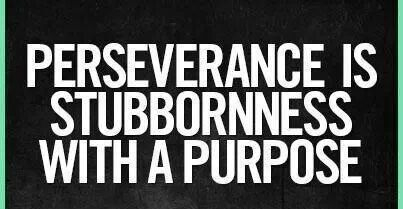
pererverance

While it is perhaps easy for me to say having been thus far lucky amid current circumstances, our country and our world has seen dark days before and will see dark days again. There is a solidarity to be gained in collective grief and struggle. My hope is that out of such we can salvage lessons of humility, resilience, collectivism, and innovation.

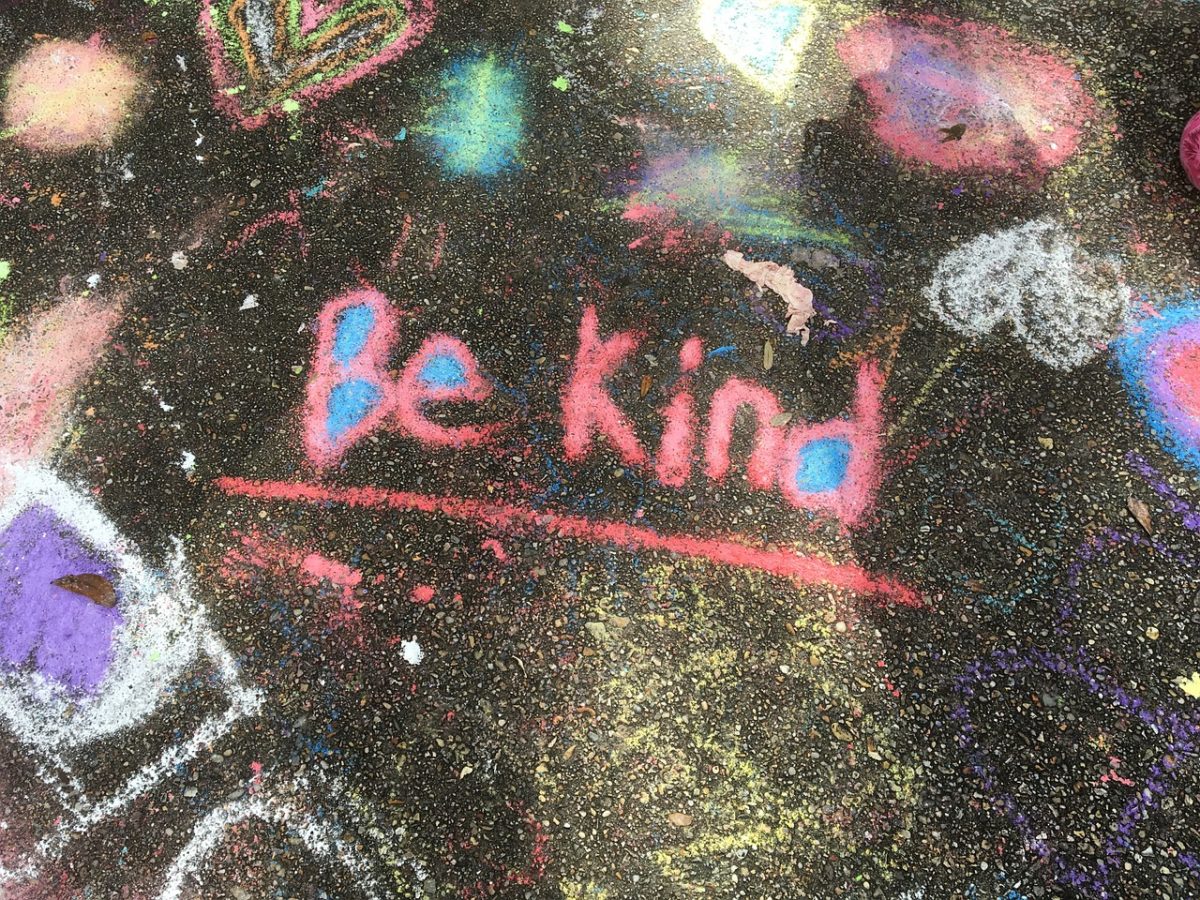
Kindness, The Other Ripple Effect…

kindness

Social media has historically been a hotbed for filtered comparison. It has been a platform to present a desired image and good or bad, COVID-19 has quickly reorganized priorities. Suddenly, it seems a bit removed to be posting diet plans, filtered selfies, a new car, or relationship woes. What does seem to be trending however…kindness. And kindness has created its own ripple effect. The generous and philanthropic acts of others popularized and made public have led us to question how we can ourselves contribute.

For those of us who are privileged, this is our opportunity to support our neighbors. It is our responsibility as Americans (and global citizens) to do what we can to uphold our values of life, liberty, and happiness. And personally, I believe the grass-root efforts among our communities are likely to do more for instilling hope and healing than the policies of our governments.

So to conclude, words from Winston Churchill…

We make a living by what we get, we make a life by what we give.”

In solidarity,

IMG-7478

Audry Van Houweling, Owner & Founder, She Soars Psychiatry, LLC

www.shesoarspsych.com

Sisters & Silverton, Oregon
 

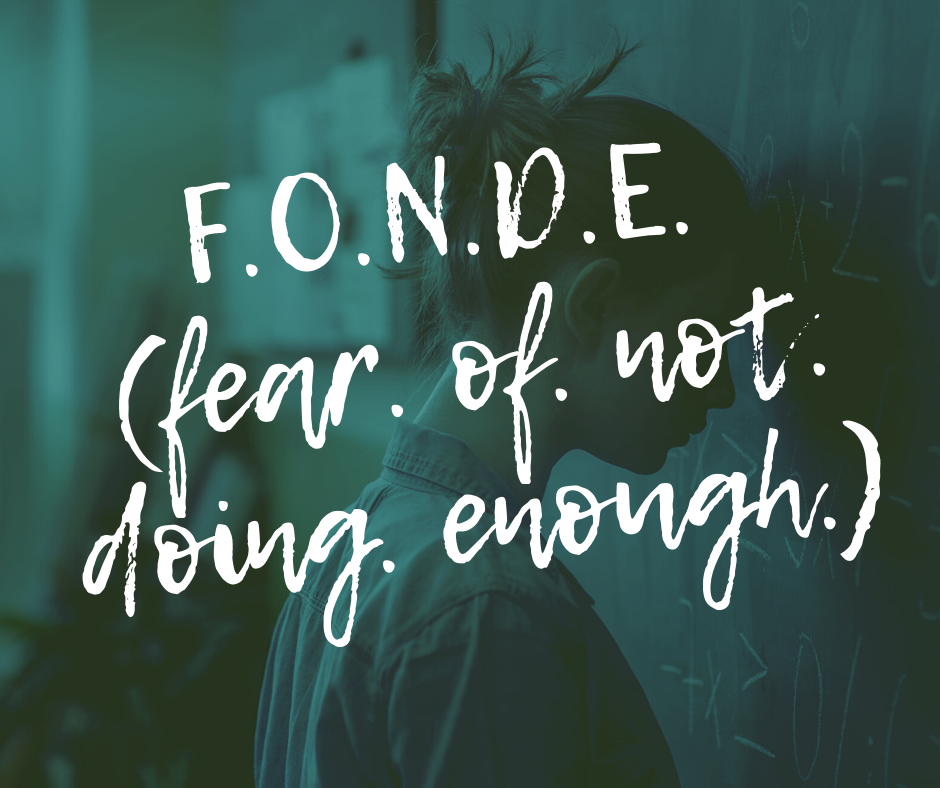
F.O.N.D.E. (Fear of Not Doing Enough)

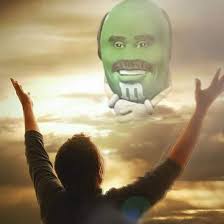
I have always been drawn to human emotion. The process of how one ‘becomes’ has forever been fascinating. I was the middle schooler curling up on the couch after school with my cinnamon toast crunch to Dr Phil and Oprah foregoing MTV and Nickelodeon. I enjoyed playing ‘therapist’ and psychoanalyzing my friends (not sure if they always appreciated this), and I was (with pride) most definitely a playground conflict manager in fifth grade. In my opinion, the term ‘empath’ is becoming a but too trendy, but whatever the case, my curiosity to the human experience of emotion in all its breadth is the foundation of my professional and in many ways, personal life. My intrigue has led to strength and foresight, but is not without challenges.

dr phil

Dr. Phil…

I hear a lot of stories in my office. Stories of trauma and loss, stories of heartbreak and despair, but also stories of  resilience, compassion and connection. Over the years, I have learned to hold on to the beauty in the struggle and to embrace gratitude amid the stories that are most challenging. You learn to transform the darkness into bits of light…to find the silver linings. You celebrate small successes and seek out opportunities for laughter and lightness. You learn also to compartmentalize and recognize that despite your best efforts, a client’s transformation is ultimately their own journey.

My inner strategies are not however foolproof. On occasion, the gravity of emotion, the heaviness, and the fear can creep in…and I ruminate, Am I doing enough?

Working in small towns, it is inevitable that you will cross paths with your clients— like all the time. Despite professional boundaries, maintaining emotional distance is not always easy. You appreciate the impacts of a client’s suffering or progress as far more palpable and immediate. One person’s loss, suffering, or triumph can have community-wide implications. There is vulnerability and fragility implicit in each and every client’s session. I like to think I do my best each day. I strive to operate by the values of integrity, diligence, and compassion. Much of the time my work evokes feelings of great privilege and gratitude, but the rabbit hole of fear can, every once in a while, be haunting.

My teenage clients help keep me current on the popular lingo. I learned just a few months ago about ‘F.O.M.O.’ (fear of missing out) and while I appreciate the relevance, I find myself much more wrapped up in ‘F.O.N.D.E’ (fear of not doing enough) and I know I am not alone.

F.O.N.D.E. (fear. of. not. doing. enough.

Our world has become increasingly smaller. The emotional struggles, stressors, and fears shared by humanity worldwide are at our fingertips, shared in real time, and more immediate than ever before. There is little respite from the hardships and there can also be guilt in wanting to detach from it. We are more aware of suffering than ever before, and, at least on a personal level, the needs seem more urgent than ever before.

As a privileged human lucky with my basic needs met, human connection, general stability, financial resources, and opportunity, I can find myself vacillating between knowing I technically ‘can’ do more while knowing I should also take my own advice for self-care, boundaries, and the knowledge that just because I ‘can’ does not always mean I always ‘should’. Amid the perceived urgency and need, the risks versus benefit of it all can become a bit blurry sometimes. It the risk greater to rest and withhold energy for another or to extend myself further for another and risk exhaustion? Despite preaching the value of self-care to client after client, sometimes I wrestle with the guilt of self-care in itself being such a first-world luxury.


Much of our culture is driven by a scarcity mindset whereby a perceived fear, the concept of ‘enough’ is questioned. Am I successful enough? Am I attractive enough? Am I smart enough? Am I making enough? Am I doing enough? When taking a bird’s eye view, our scarcity mindset begs the question, what per se does ‘enough’ even mean? What finish line are we striving for? Is it a standard that can ever actually be met? We end up postponing joy, satisfaction, and contentment for an imaginary concept.

There is so much need out there. So much desperation. And yes, there is an urgency for help and innovation. It can be easy to fear. It can be easy to feel guilt. Yet, we must ask ourselves in this space, ‘how can I best show up for the world?’ Martyrdom is only so sustainable. We need endurance and resilience, which cannot be achieved without allowing for rest, reflection, and the quiet trust, that perhaps in this moment, and future moments I am ‘enough’ regardless.

Thank you for listening everyone.

With gratitude,

IMG-6251


Audry Van Houweling, Owner & Founder,

She Soars Psychiatry, LLC

www.shesoarspsych.com, Sisters & Silverton, Oregon
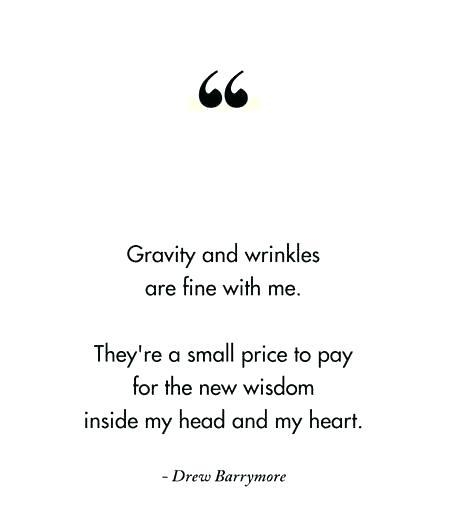
 

Aging Gracefully in an Anti-Aging World

The undertaking of aging gracefully is a lot to ask for in a society that fights so hard against what is unavoidable. As a millennial myself, I may be a bit removed from the post-65 generation defined as ‘senior citizens’; yet, I find myself already critiquing my emerging laugh lines, scavenging for the arrival of gray hairs, and recently spent far more than I care to admit on a ‘magic’ (per the sales associate) brew for my face promising to ward off the inevitable.

age5

We frequently go to extremes to seek out the elusive fountain of youth. We go under the knife to stretch, contort, and implant our bodies, purchase supplements touted on late-night infomercials with promises too good to be true, douse ourselves with the latest and greatest potions to erase our wrinkles or restore our hairlines, and spend our hard earned money in all sorts of ways in hopes that we can maintain a version of youthfulness. The pressure to partake in the massive and manipulative multi-billion-dollar anti-aging industry is especially understandable in our society that frankly, is pretty pitiful when it comes to honoring the relevance and value of our older generations. Ultimately, it boils down to holding onto respect, being seen, and being acknowledged.

This quest for youth can all be a bit exhausting and ultimately when despite our best efforts, our body, our appearance, and our abilities inevitably change, it can be difficult to maintain a sense of optimism. Furthermore, as the aging process continues, a person may feel their world shrinking as family and friends may move or pass away, mobility declines, and recognition previously gained in the workplace may lessen. Finding connection and combatting feelings of isolation and loneliness can be insidious and a huge contributor to depression, anxiety, and fear. Adults aged 85 and older have the highest suicide rates nationwide while those aged 75-84 have the second highest.

age4

Convincing older adults who may have grown up with considerable stigma that their mental health is important can be an obstacle on its own. Older adults may fear judgment and/or that their independence may be jeopardized. Additionally, our healthcare system needs to work harder on dismantling the notion that depression and anxiety are ‘normal’ in aging populations, which further dissuades aging adults from seeking help and may prevent the implementation of potentially effective treatment strategies. It is thought that up to 50% of cases of major depression go undiagnosed in older populations- often attributed to the ‘aging process’ or also commonly, dementia.

Specialist care is hard to come by and let’s not forget the issues of Medicare, poor reimbursement for mental health care, and the red tape that discourages too many providers from even accepting Medicare. I could rant about this alone… another soapbox for another time perhaps. The numbers of geriatricians or physicians trained specifically in caring for aging populations fall far short of the demand. There are fewer than 7,000 geriatricians nationwide- a significant shortage when considering the demand of the 14 million older adults living today. Ideally, there would be 20,000 or more geriatric providers assuming each provider carried a panel of 700 patients. And so, finding providers that appreciate physical and psychological complexities, potential drug interactions, and psychosocial needs can be also very difficult.

An elderly woman sadly looking out the window. Melancholy and depressed.

While the obstacles and warped social ideals of aging deserve mention, there can also be much to gain and much joy to be had. Many older adults enjoy freedoms with their time and resources that may not have been present before. For some, it can be a chance to pursue hobbies, seek new social connections, travel, and grow in self-discovery. While perceived feelings of being ‘insignificant’ can come with grief, it can also be a kind of liberation as it allows an opportunity to shed inhibitions and insecurities of being so consumed with the opinions of others.

age2

As a society and certainly for millennials like myself, we need to take pause and rethink how we navigate our own aging journey and also honor generations preceding us. We need to recognize how such fears of aging and yes, death contribute to higher levels of anxiety, depression, and despair. In our relentless fight to stop aging, we can lose out on the wisdom, value, and growth aging can offer and discredit the significance of the older adults that paved the way for us. As Betty Friedan so eloquently voices, “Aging is not lost youth, but a new stage of opportunity and strength.”


Thanks for listening everyone. Here’s to embracing the present, not dwelling on the past, and not fearing the future.

With gratitude,

me

Audry Van Houweling, Owner & Founder, She Soars Psychiatry, LLC

www.shesoarspsych.com

Sisters & Silverton, Oregon

Conversations worth having…Suicide.

Have you ever felt so overwhelmed, sad, or hopeless that you considered ending your life?

This is a question I ask to almost every new client that comes in my doors.

You might be surprised who says, “yes”.

Prominent community members, business owners, CEOs, healthcare providers, educators, honor roll students, dedicated parents, spiritual leaders, elementary aged children, elite athletes, yoga masters, and politicians are all among the many individuals who were brave enough to tell me that yes, they have contemplated suicide.

depression teens

The reasons are varied. Wanting to escape, not seeing a way out, exhaustion, burnout, unbearable physical or emotional pain, hopelessness, perceived failure, powerlessness, releasing others from a perceived burden, feeling worthless, or to escape ridicule or bullying are just some possibilities.

We live in a society where we often see one aspect of a person. You might call it a mask, a façade, or social expectations, but behind closed doors that person may be facing an entirely different reality than what might be perceived.

We also live in a society that would come running if I were to break my arm and sign my cast, but if I were to disclose depression or suicidal thoughts, people might judge or run the other way. For many of us, talking about our emotions and feelings may feel uncomfortable or even foreign. Some of us may have been taught to suppress emotions, keep our heads down, work hard, and don’t be a problem. Sound familiar? Strangely and perhaps sadly, this mindset is reminiscent to our society’s version of success. But, as I like to ask my stoic, hard-working clients, how’s that working for you? Furthermore, with suicide rates and depression rates on the rise, how’s that working for us- as a society, community, family?

depression men2

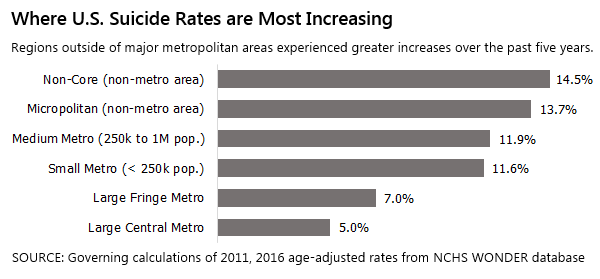
We have all experienced our share of emotional pain and struggle. Many of us have a personal story about suicide whether it is regarding ourselves or somebody else. Suicide can have profound impacts on communities. In the small towns of Silverton and Sisters where I practice, the impact of tragedy can feel more intense, palpable, and immediate. The shroud of grief can be heavy. Most of the time, attempting to sweep such things under the rug only perpetuates a sense of isolation and shame.

The misguided notion that suicide is somehow selfish or the easy way out does us no favors and compounds shame and silence. Most often it is rather the point that in desperation, people are overcome by the long, hard struggle of staying alive- many have fought hard time after time and may ultimately feel defeated. They did not simply give up.

suicide causes

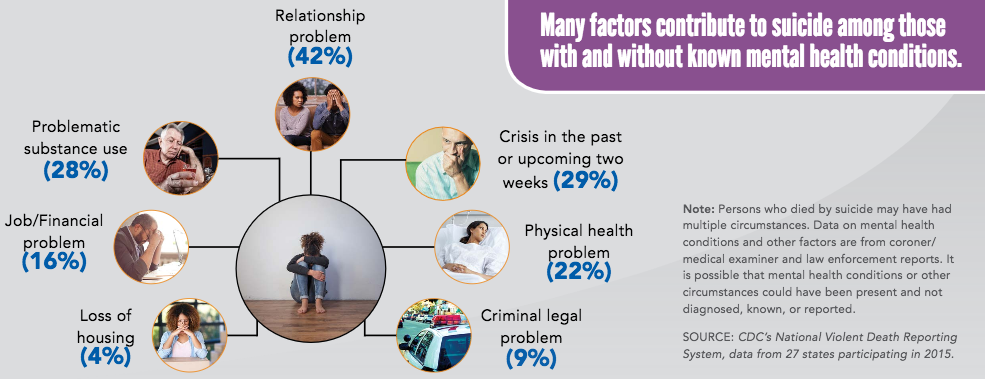
Not everyone who contemplates or completes suicide has a mental illness per se. While mental illness can contribute, rejection, financial woes, impending crises, loss, and/or relationship problems can all be driving factors as well.

suicidesbyregionsuicide demographics

Like many small towns, Sisters and Silverton are charming and somewhat idyllic communities, but certainly both have their emotional layers and undercurrents. People are struggling and too often they are among those you least suspect. We all compartmentalize at times- especially in our go-go-go society, which often gives us little time to grieve, process, and feel, but a community’s social decorum, culture, and pressures can sometimes leave little room for authenticity and acceptance.

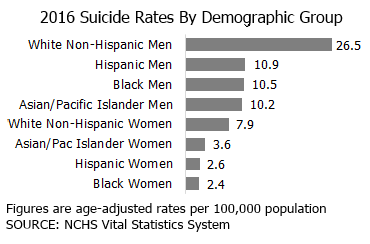
Suicide rates are up 30 percent across the nation since 1999. Suicide is the leading cause of death among Oregonians age 10-24. So, we must start asking tough questions, having tough conversations, and allowing space for personal stories to be shared. Talking about suicide and our emotional well-being needs to take place beyond the walls of a counseling office. It is a topic that ought to be talked about in our places of worship, clubs, schools, workplaces, and within the walls of our home. Let’s come together, support one another, strategize, and work towards prevention. We cannot afford to be silent.

depression children


“The power of community to create health is far greater than any physician, clinic, or hospital.”

-Mark Hyman


blog-me2

With gratitude,

Audry Van Houweling, PMHNP-BC, Owner, She Soars Psychiatry, LLC

Sisters & Silverton, Oregon, www.shesoarspsych.com


Depression…not all in your head

In conventional psychiatry treatment decisions are generally based on what is known as the monoamine hypothesis. The monoamine hypothesis suggests that depression and most other mental health concerns are based upon imbalances or abnormalities with serotonin, dopamine, norepinephrine, and epinephrine. The vast majority of psychiatric medications are predicated on this hypothesis and theoretically modulate the concentrations or availability of these neurotransmitters. Questions arise however given that many patients have no response and some may actually develop worsening symptoms. In many ways this hypothesis along with our fragmented medical model has us convinced that somehow the mind and the body continue to be separate from one another.

However, depression is not just in your head. It is important that we treat depression and other mental health concerns with the whole body in mind. The same symptoms that may qualify you for a clinical diagnosis of major depressive disorder and trial of an antidepressant may be the same symptoms that may also qualify you for hypothyroidism or another “non-psychiatric” condition.

ENTER FUNCTIONAL MEDICINE. For a great introduction of functional medicine, please watch one of the primary founders, Dr Mark Hyman discuss below:


The following is a sampling of “non-psychiatric” factors that can cause depressive symptoms and in an ideal world, should be considered prior to treatment decisions being made.


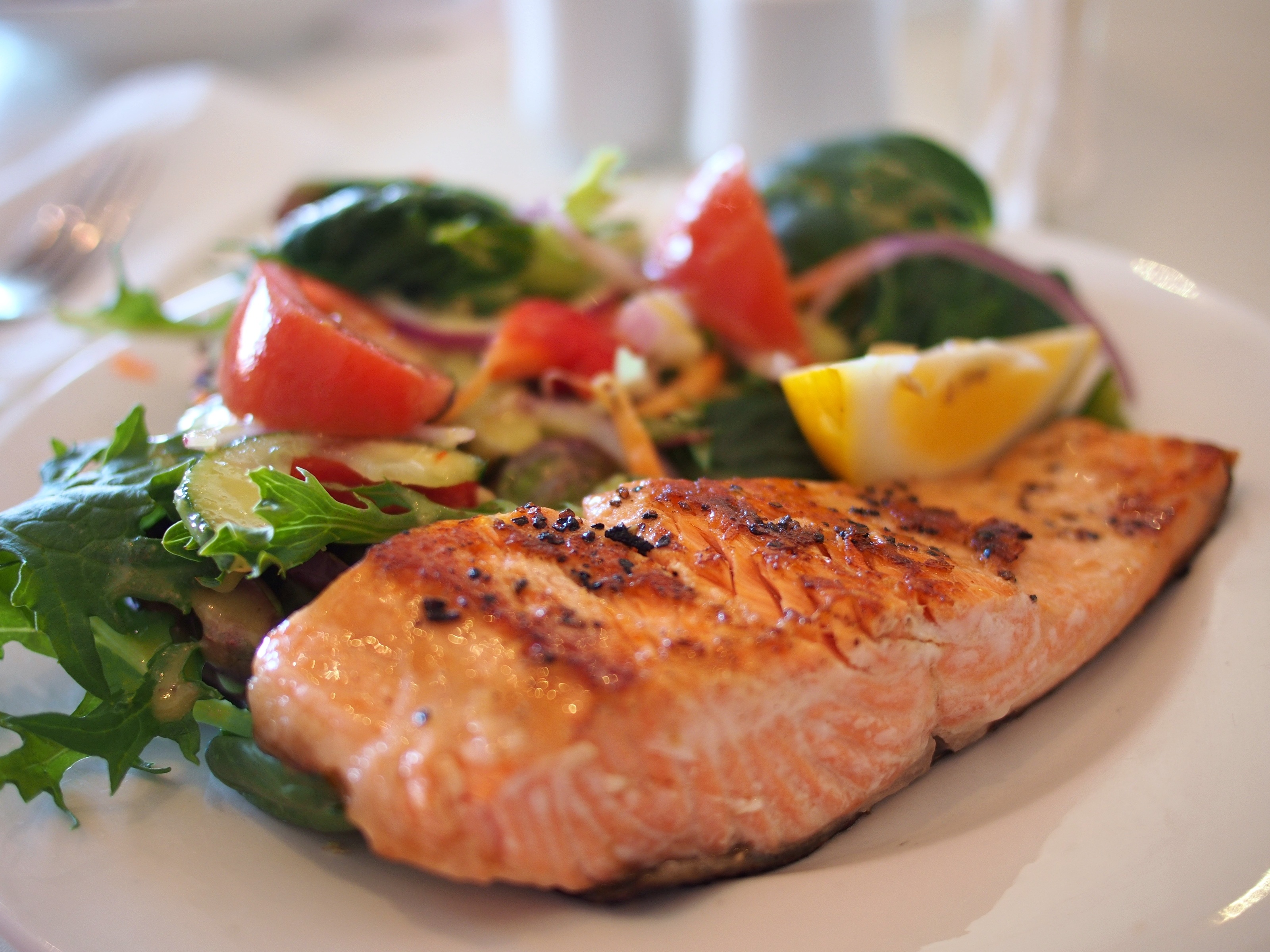
1)     Nutrition: Nutritional deficiencies or an excess of processed foods, refined carbohydrates, and sugar are huge drivers of emotional imbalance. Omega-3 fatty acids, iron, B vitamins, Vitamin D, amino acids, zinc, selenium, iodine, and magnesium all work to support emotional wellness and given our Standard American Diet, are frequently at deficient levels. As we age, we are even more susceptible to nutrient deficiencies as our ability to absorb adequate levels of vitamins such as Vitamin B12 declines. Nutrition also plays a significant role in supporting gut health and as we have discussed before, your gut is your second brain, and it’s health is paramount.

salmon-dish-food-meal-46239

2)     Lack of exercise: Please get up and move. Please take a break from your screen. Our bodies are not meant to be sedentary all day. In a study completed by The American Journal of Preventative Medicine, women aged 50-55 were 47% more likely to be depressed if they sat for more than 7 hours daily compared to women who sat less than 4 hours/day. In women that did not exercise at all, they were 99% more likely to be depressed. Now that is a statistic!

running-runner-long-distance-fitness-40751

3)     Lack of sunshine: Anybody else live in the Pacific Northwest? Winters can be especially brutal.  Rain, rain, go away…and then we sit in our office, go home when it is dark, and then return to work the next day before the sun comes up. Vitamin D, synthesized with the help of the sun and incredibly important for our whole-body wellness, can be at sparse levels for many of us. So soak up the sun when you can and consider a SAD lamp if the sun just is not shining.

pexels-photo-103127

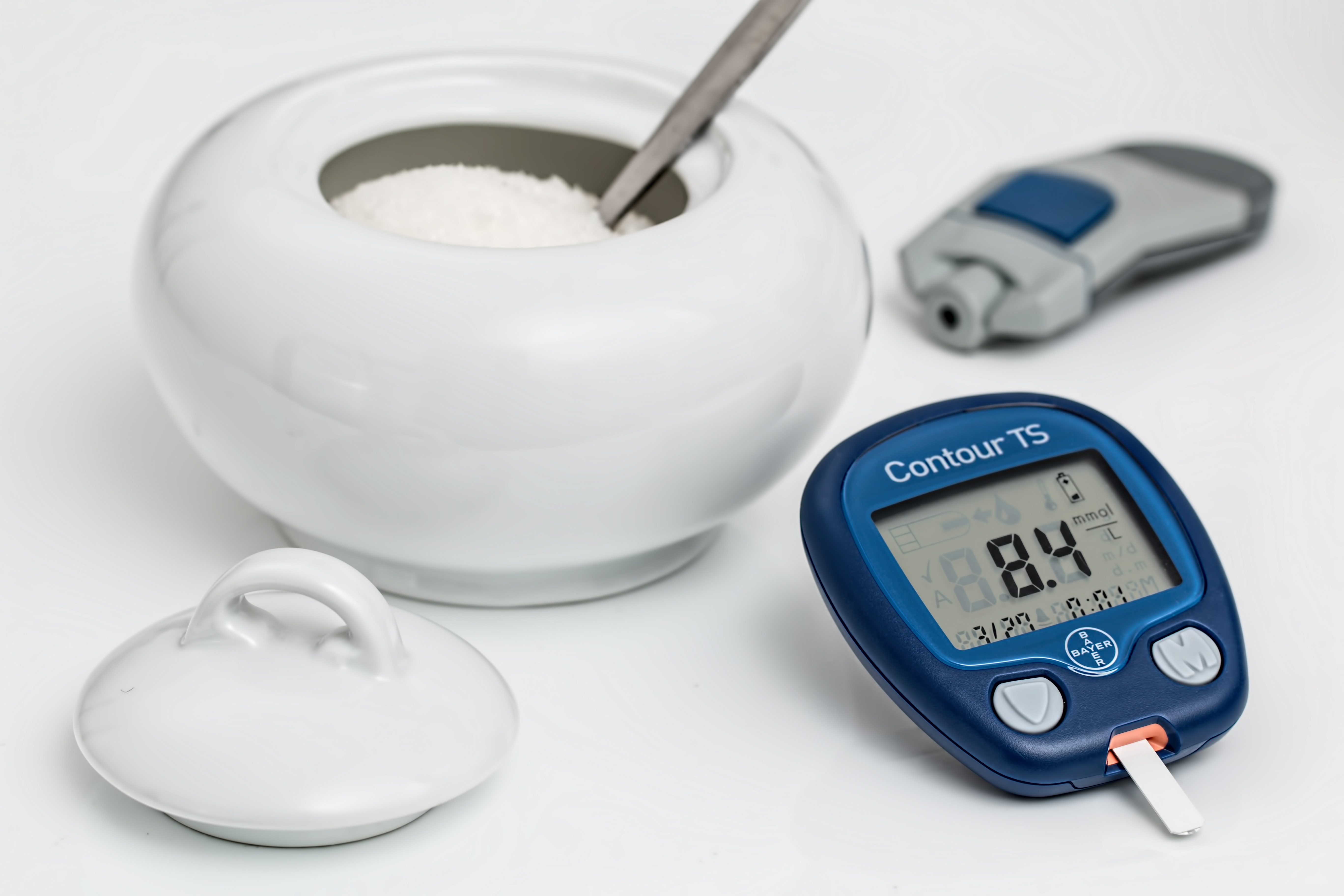
4)     Hormones: Hormones are HUGE when considering depression. Hormones are our body’s messengers and interface with every system in our body. If they are imbalanced, the wrong messages can be sent or the message won’t be sent at all and things feel out of sort emotionally and physically. Hormone related disorders that can emulate depression include thyroid dysfunction, insulin resistance (diabetes), low testosterone, estrogen/progesterone imbalance, adrenal dysfunction, and pituitary dysfunction.

pexels-photo-207381

5)     Infection & Autoimmune conditions: Both viral and bacterial infections can certainly cause depressive symptoms. How many of you felt chipper when you had the flu? Chronic infections such as Lyme disease, Epstein-Barr virus, viral hepatitis, and AIDS among others can all perpetuate depression. Autoimmune conditions such as Celiac disease, rheumatoid arthritis, systemic lupus erythematosus, and autoimmune thyroid dysfunction (Hashimoto’s & Grave’s disease) can also cause serious disruptions to emotional wellness.

cayenne-tick-tick-male-dorsal-view-45850

6)     Drugs (Pharmaceuticals and otherwise): Unfortunately, some of the very same medications we use for “stabilizing” mental health can also cause depressive symptoms. Anti-psychotics, benzodiazepines, and even antidepressants can worsen mood in some cases. Opioids, amphetamines, and alcohol can also cause significant depressive symptoms.

headache-pain-pills-medication-159211

7)     Stress: This should not come as a surprise, but just in case you needed a reminder. In our society, high levels of stress are rampant. Stress impacts our whole body in a multitude of ways and when chronic, can certainly drive depression. In such cases, we need to ask ourselves what can be changed or modified- whether it be changing the situation or perhaps how we perceive the situation.

pexels-photo-185939


Again, these factors are a SAMPLING, but they serve as major reasons why mental health concerns need to be viewed from a broader lens. Functional medicine, which we specialize in at She Soars Psychiatry is dedicated to an upstream model of medicine that seeks to identify root causes, leading to far more sustainable results and a more empowering experience for you.

At She Soars Psychiatry, LLC, we are committed to approaching your emotional wellness from all angles. From our perspective, it can be considered negligent to not assess all factors when possible. Visit our website, www.shesoarspsych.com for more information about our services and mission.