Stability vs Vitality. Sinking vs. Sailing. Enter Functional Medicine.

Throughout my years working in psychiatry, the magic word that indicated “success” either in inpatient or outpatient settings was “stability” or “stable”. During my time working as a registered nurse in a hospital-based psychiatric unit, the discharge note would inevitably note something along the lines as, “the patient has achieved stability…the patient is now stable…the patient notes they feel stable…and they are now fit to be discharged. During my years as a nurse practitioner, I would catch myself ending my note stating, “the patient reports stability…no further changes need to be made”.

Can we ponder what being stable actually means for a moment? How have we defined it over the years in conventional psychiatry? Does it mean the patient is no longer suicidal? No longer psychotic? No longer having panic attacks? When they can follow a conversation without being distracted? How much does our personal bias as providers influence what we feel is actually “stable”? What is the actual rubric by which we define this?

Does it matter that a patient may be returning to the same environment that may have led to instability in the first place? Can we really claim a patient is “stable” when they have a myriad of chronic health problems? What about poor diet or a lack of physical activity?

The mechanism by which conventional psychiatry seeks “stability” is primary via pharmaceuticals. I want to state again that in some cases when there is imminent need, medications can be powerful tools to regain a client’s sense of control and awareness. That said, they are tools and in my opinion fall short of being solutions. It is important that we recognize that while medications may allay symptoms, they certainly do not guarantee “stability”.

Perhaps you have been on psychiatric medications and have been through the trial and error process. Perhaps you have had the experience when you started with one medication and then needed to add another or yet another to counter possible side effects or because there was a sense that symptoms were not yet adequately controlled. It can be a frustrating and confusing process sometimes made much worse by side effects.

I have prescribed a lot of medications over the years. If it all goes well, patients often come back feeling pleased with the results, but it is rare that this feeling sustains itself. Perhaps months later they may say, “I don’t think this medication is working anymore…” or “I am concerned about side effects.” I have learned that it is unrealistic to assume that “stability” can continue in the midst of chronic disease, chronic stress, contentious relationships, social isolation, and/or socioeconomic limitations.

Now it is time for a bit of imagery.

pexels-photo-67100

Picture yourself sailing in a boat in the water. There are multiple small holes in the boat. You have a bucket and are able to throw water overboard allowing the boat to stay afloat for a while longer. Yet, the holes still remain and at some point you are going to become exhausted from trying to stay afloat. A medication may be a bucket for a while, but often does not address the foundational problem.

I have not come across a medication that seals all the holes in your boat.

83bdd352447381617322cc1c513a6982.jpg

This is why I have become passionate about functional medicine. Functional medicine is looking for the holes in your boat. We might give you a bucket from time to time, but the goal is to seal the holes and even better, just give you a new, stronger boat that withstands the rough waters. This is the basis of vitality- when you can function with resilience and “sail” or per our namesake, “SOAR” to your full potential.

At She Soars Psychiatry, LLC we take a close look at all factors including cellular health, immune function, inflammation, organ health, gastrointestinal health, nutrition, physical activity, psychosocial, and psycho-spiritual. When these factors go awry they can cause “holes in your boat” leading to emotional imbalances. We aim to restore not just stability, but vitality.

Everyone feels like they are sinking from time to time. Life happens. Resilience can be strengthened however. We look forward to helping you stay strong and afloat as there are certainly rough waters to navigate out there. Happy sailing!

To learn more about functional medicine, please visit The Institute for Functional Medicine.

To schedule an appointment with us call 541-595-8337 or visit www.shesoarpsych.com

Like us on Facebook @ She Soars Psychiatry, LLC

pexels-photo-273886.jpg

With gratitude,

Audry Van Houweling, PMHNP-BC, HNFM certified, DONA trained postpartum doula, Owner & Founder, She Soars Psychiatry, LLC


Looking beyond ADHD- 5 reasons why you can’t focus

Having trouble with focus? Feeling unorganized? Frazzled? Have you ever wondered if you have attention-deficit disorder or attention-deficit hyperactivity disorder? Perhaps you have been diagnosed already and have been convinced that the problem is a dopamine deficiency in your brain that must be remedied with psychostimulants such as Ritalin or Adderall. Perhaps you are on these medications and they likely work to some degree, but chances are if you have been on them for a while, at some point they reach a plateau and your symptoms come trickling back.

It is again important to remember how subjective conventional psychiatry is. We make decisions based on somebody’s subjective reports and often fail to look for objective, physiological data. We also often fail to recognize the contextual and cultural context in which the symptoms occur. Essentially, poor focus can be due to multiple factors and just because somebody meets criteria for ADD/ADHD, does not necessarily mean they have a dopamine deficiency contrary to popular thought.

The functional medicine approach utilized at She Soars Psychiatry, LLC views problems with focus from a  broad lens. Dr. Mark Hyman, a founder of functional medicine, stated wisely, “ADHD is not a Ritalin deficiency”…and he is certainly right. Medication may be helpful, but is very likely not addressing root causes. With that said, here are 5 reasons why you can’t focus that may mimic signs of ADD/ADHD:

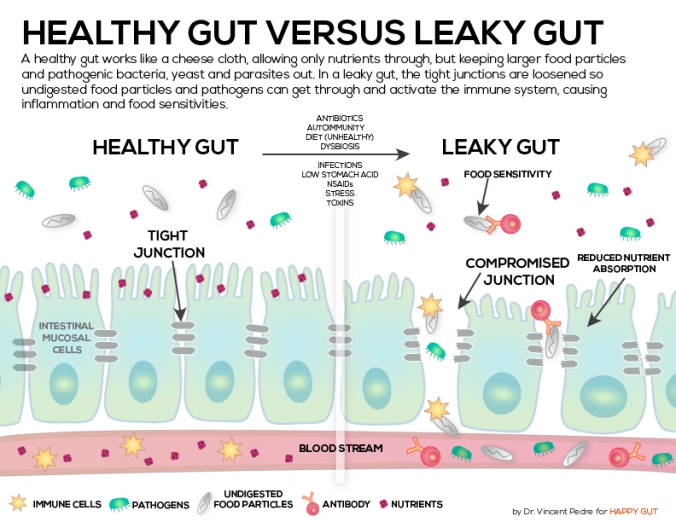
  1. Tummy Troubles: Gastrointestinal distress and discomfort such as bloating, excess gas, reflux, diarrhea, and constipation can be indicators of leaky gut syndrome, yeast or candida, and/or small intestinal bacterial overgrowth (SIBO). The gut and the brain are intimately connected and thus, when your tummy is upset, it is likely that your brain is not very content either.HealthyLeakyGut
  2. Nutrient Deficiency: In our Standard American Diet we are often overeating, but undernourished. Deficiencies in iron, Vitamin D, B vitamins, Vitamin C, Omega-3 essential fatty acids, magnesium, and zinc have all been linked to poor focus. One study, compared the administration of Vitamin B6 (pyridoxine)- a vitamin essential to supporting multiple neurotransmitters including dopamine to Ritalin or methylphenidate. Vitamin B6 performed equally well to methylphenidate in allaying symptoms and also supported serotonin and dopamine levels. carrot-kale-walnuts-tomatoes
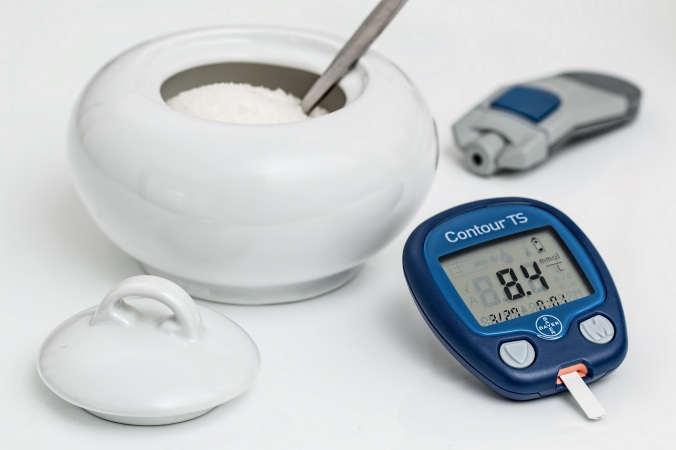
  3. Immune dysfunction: Infection, chronic illness/inflammation, and autoimmunity may all impact focus. Multiple autoimmune conditions including thyroiditis, inflammatory bowel disease, and Type I diabetes have been shown to be correlated with an ADHD diagnosis. pexels-photo-207381
  4. Heavy metals & detoxification irregularities: It is basically impossible to escape exposure from heavy metals in our current environment. There are ways however to reduce the burden. Reducing exposure to contaminated soil, filtering water, investing in an air filter, and testing your home for lead are just a few. Lead, mercury, aluminum, and arsenic in particular have all been associated neurodevelopmental disorders including ADHD. Some individuals may have genetic irregularities in how their body detoxifies metals and other toxins, which makes them particularly susceptible to a toxic burden.pexels-photo-414579.jpg
  5. Food allergies or sensitivities: Gluten, dairy, corn, soy, dyes and additives, eggs, and nuts are amongst the most common food allergies and sensitivities. It is important to note that a food allergy is different than a food sensitivity. Just because you or your child may be able to “tolerate” a food, does not mean the body is not sensitive to it. A temporary elimination diet that eliminates these more common problem-foods has been associated with significant improvement for children diagnosed with ADHD. pexels-photo-326082.jpg

For a more exhaustive list of medical conditions that may mimic ADD/ADHD symptoms, check out the following list from AbleChild.org

To learn more about limiting your exposure to heavy metals, check out tips from Oregon’s Department of Human Services

If you are having difficulty focusing and would like pursue a functional medicine approach and identify your root causes, check out our services and request an appointment. We look forward to working with you!

With gratitude,

Audry Van Houweling, PMHNP-BC, certified HNFM, DONA trained postpartum doula, Owner, She Soars Psychiatry, LLC

www.shesoarspsych.com


Depression…not all in your head

In conventional psychiatry treatment decisions are generally based on what is known as the monoamine hypothesis. The monoamine hypothesis suggests that depression and most other mental health concerns are based upon imbalances or abnormalities with serotonin, dopamine, norepinephrine, and epinephrine. The vast majority of psychiatric medications are predicated on this hypothesis and theoretically modulate the concentrations or availability of these neurotransmitters. Questions arise however given that many patients have no response and some may actually develop worsening symptoms. In many ways this hypothesis along with our fragmented medical model has us convinced that somehow the mind and the body continue to be separate from one another.

However, depression is not just in your head. It is important that we treat depression and other mental health concerns with the whole body in mind. The same symptoms that may qualify you for a clinical diagnosis of major depressive disorder and trial of an antidepressant may be the same symptoms that may also qualify you for hypothyroidism or another “non-psychiatric” condition.

ENTER FUNCTIONAL MEDICINE. For a great introduction of functional medicine, please watch one of the primary founders, Dr Mark Hyman discuss below:


The following is a sampling of “non-psychiatric” factors that can cause depressive symptoms and in an ideal world, should be considered prior to treatment decisions being made.


1)     Nutrition: Nutritional deficiencies or an excess of processed foods, refined carbohydrates, and sugar are huge drivers of emotional imbalance. Omega-3 fatty acids, iron, B vitamins, Vitamin D, amino acids, zinc, selenium, iodine, and magnesium all work to support emotional wellness and given our Standard American Diet, are frequently at deficient levels. As we age, we are even more susceptible to nutrient deficiencies as our ability to absorb adequate levels of vitamins such as Vitamin B12 declines. Nutrition also plays a significant role in supporting gut health and as we have discussed before, your gut is your second brain, and it’s health is paramount.

salmon-dish-food-meal-46239

2)     Lack of exercise: Please get up and move. Please take a break from your screen. Our bodies are not meant to be sedentary all day. In a study completed by The American Journal of Preventative Medicine, women aged 50-55 were 47% more likely to be depressed if they sat for more than 7 hours daily compared to women who sat less than 4 hours/day. In women that did not exercise at all, they were 99% more likely to be depressed. Now that is a statistic!

running-runner-long-distance-fitness-40751

3)     Lack of sunshine: Anybody else live in the Pacific Northwest? Winters can be especially brutal.  Rain, rain, go away…and then we sit in our office, go home when it is dark, and then return to work the next day before the sun comes up. Vitamin D, synthesized with the help of the sun and incredibly important for our whole-body wellness, can be at sparse levels for many of us. So soak up the sun when you can and consider a SAD lamp if the sun just is not shining.

pexels-photo-103127

4)     Hormones: Hormones are HUGE when considering depression. Hormones are our body’s messengers and interface with every system in our body. If they are imbalanced, the wrong messages can be sent or the message won’t be sent at all and things feel out of sort emotionally and physically. Hormone related disorders that can emulate depression include thyroid dysfunction, insulin resistance (diabetes), low testosterone, estrogen/progesterone imbalance, adrenal dysfunction, and pituitary dysfunction.

pexels-photo-207381

5)     Infection & Autoimmune conditions: Both viral and bacterial infections can certainly cause depressive symptoms. How many of you felt chipper when you had the flu? Chronic infections such as Lyme disease, Epstein-Barr virus, viral hepatitis, and AIDS among others can all perpetuate depression. Autoimmune conditions such as Celiac disease, rheumatoid arthritis, systemic lupus erythematosus, and autoimmune thyroid dysfunction (Hashimoto’s & Grave’s disease) can also cause serious disruptions to emotional wellness.

cayenne-tick-tick-male-dorsal-view-45850

6)     Drugs (Pharmaceuticals and otherwise): Unfortunately, some of the very same medications we use for “stabilizing” mental health can also cause depressive symptoms. Anti-psychotics, benzodiazepines, and even antidepressants can worsen mood in some cases. Opioids, amphetamines, and alcohol can also cause significant depressive symptoms.

headache-pain-pills-medication-159211

7)     Stress: This should not come as a surprise, but just in case you needed a reminder. In our society, high levels of stress are rampant. Stress impacts our whole body in a multitude of ways and when chronic, can certainly drive depression. In such cases, we need to ask ourselves what can be changed or modified- whether it be changing the situation or perhaps how we perceive the situation.

pexels-photo-185939


Again, these factors are a SAMPLING, but they serve as major reasons why mental health concerns need to be viewed from a broader lens. Functional medicine, which we specialize in at She Soars Psychiatry is dedicated to an upstream model of medicine that seeks to identify root causes, leading to far more sustainable results and a more empowering experience for you.

At She Soars Psychiatry, LLC, we are committed to approaching your emotional wellness from all angles. From our perspective, it can be considered negligent to not assess all factors when possible. Visit our website, www.shesoarspsych.com for more information about our services and mission.

Women, fibromyalgia, and a history of trauma…

Throughout my years working in mental health, it is almost an exception that a client presenting with chronic mood instability and/or anxiety does not have some degree of chronic pain, tension, or achiness. Today, the spotlight will be on fibromyalgia.

Among other comorbid conditions, in my work, fibromyalgia seems to be almost synonymous with depression and anxiety.

Fibromyalgia has been somewhat of a trendy diagnosis over recent years- it is a diagnosis of exclusion of which parameters are somewhat vague and often misunderstood. People experiencing fibromyalgia often report widespread full-body pain with persistent achiness. They often have sleep disturbances, fail to wake up rested, feel exhausted by the pain, complain of poor memory/cognition- also known as “fibro fog”, and often have gastrointestinal distress. The pain often is unrelenting even with anti-inflammatory and/or opioid pain medications.

Nine out of ten fibromyalgia sufferers are women. A bit of a staggering statistic, right? As fibromyalgia begins to be more understood, it seems to coincide closely with chronic stress, a history of trauma, and hypervigilance. Serotonin levels are often low and the sympathetic nervous system, which promotes our fight/flight reaction tends to be over-active. It has been found that fibromyalgia and chronic pain is significantly associated with adverse childhood experiences- especially physical and sexual abuse.

In fact, just to stress this point, adverse childhood experiences (also known as ACEs) are associated with a number of negative health outcomes. One of my favorite discussions about this is a TED talk featuring pediatrician, Dr. Nadine Burke Harris featured below- please watch:

Striking, sad, frustrating, and ultimately highlights the importance of addressing trauma and emotional well-being as a means to promote whole-body wellness.

Unfortunately in my work with women and girls over the years, similar to the association with chronic pain, a history without abuse is more the exception as the vast majority of my female clients report a history of physical, emotional, and/or sexual abuse.

Being aware of the multiple intersections between emotional wellness, a history of trauma, and perceived pain underscores the importance of approaching our vitality and health from an upstream model- one that addresses root causes, rather than a downstream approach, which in the case of chronic pain and fibromyalgia often involves a slew of specialists, painkillers, and perhaps costly interventions.

Exercise and psychotherapy have been found to be amongst the most successful interventions for fibromyalgia.

In fact, exercise alone has been shown to have just as much antidepressant effect as a typical SSRI antidepressant medication and when sustained, is associated with less relapse of depressive symptoms compared to when treatment only involves medication.

Sharing our stories and learning to perceive ourselves as survivors and ultimately, as “thrivers” is paramount to healing as the role we play in our story informs and influences not only our emotional wellness, but our body as a whole.

Restoring emotional wellness, which we prioritize at She Soars Psychiatry, may also allow for dramatic and transformative changes throughout the body.

It is a journey worth taking. We are not about quick-fixes, but partnering with you in a transformative process that promotes self-determination and empowerment as you confront your concerns leading to sustainable and long-lasting solutions!

Let’s be kind to ourselves.

With gratitude,

Audry Van Houweling, Owner, She Soars Psychiatry, LLC

Is bad food making you feel stressed or is stress making you eat bad food…?

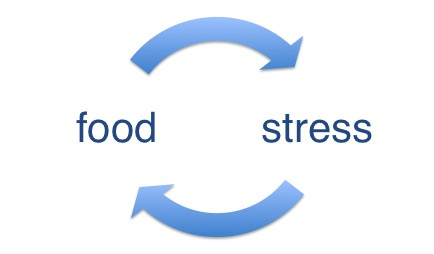
Well, what do you think? Does eating unhealthy foods make you feel “stressed” or does stress make you eat unhealthy? Research supports that both assertions are true. I think many of us can relate to both statements and often, they perpetuate one another.

sad woman

We have all had the bad day when we venture out to the grocery store and find ourselves justifying the pint of Ben & Jerry’s or perhaps more if it was a really bad day. We sit at home watching something usually not worthwhile on TV… the sugary goodness of our pleasures seems to distract us from the stress for a short while until we realize one serving size has turned into four and starting at the nutrition label, realize the gravity of our actions, feel gluttonous, guilty, and when we look in the mirror before bed, swear our love handles became even easier to grab…which in turn, is a bit stressful. In most cases we do not wake up feeling rejuvenated by our choices the next morning either.

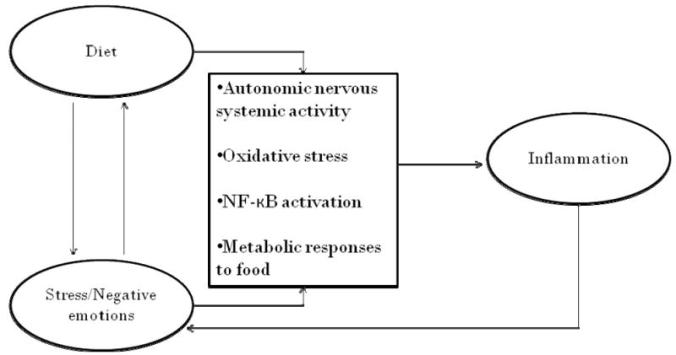
One of my favorite introductory articles authored by Janice Kiecolt-Glaser (2010) discusses the bidirectional relationships between food choices and stress and how they ultimately contribute to inflammatory processes throughout your body. food and stress

food-stress

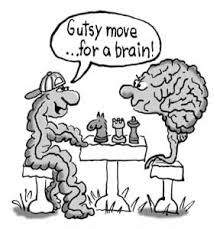
Your emotional wellness and your gut are intimately connected. This is why nutrition is critical to restoring mental health and vitality. The brain and gut talk to each other all the time.  You may have heard before that your gut is akin to your “second brain” and it truly is! Many of us can likely relate to gastrointestinal distress or discomfort during times of high stress or anxiety. The vagus nerve, which innervates both the brain and gut continuously sends signals back and forth facilitating the constant communication.

gutsy brain

Stress can impact food choice and cause negative metabolic responses to food intake. Certain foods can be either pro inflammatory or anti inflammatory, which can either reduce or add to the perception of stress. When this cycle of unhealthy food intake and stress is perpetuated, chronic inflammation can often ensue.

Inflammation is a bit of an abstract concept and while it may seem all negative, inflammation is the process by which we also heal from injury and fight illness. The mechanisms by which inflammation can become chronic vary, but may certainly be caused or influenced by both chronic stress and pro inflammatory foods.

Increases in the body’s inflammatory markers, such as interleukin-6 (IL-6), C-reactive protein (CRP), nuclear factor kappa B, and other pro inflammatory cytokines all have been associated with diets high in starches, processed foods, and trans-fats, which basically sums up our Standard American Diet. Furthermore, these foods increase oxidative stress on the body and the build up of free radicals, which can be harmful in excess. Oxidative stress in turn, promotes nuclear factor kappa B, which promotes genetic expression of pro inflammatory cytokines.

Did I just overwhelm you with scientific verbiage? It’s okay, in a nutshell just know that when you eat the Standard American Diet (aka crappy food) day after day, your body is likely to become inflamed and you are unlikely to feel all that balanced emotionally either.

Chronic stress and depression have been associated with delayed wound healing and infectious disease, which also support the connection to pro inflammatory processes.

Soooo…now that we know stress, food choices, and inflammation are all interconnected, what is the best approach to actually feeling better? Since stressors may or may not be avoidable, I favor a food first approach when working with clients. Here are some general rules:

  1. Minimize refined carbohydrates and excess sugars as much as possible. I am not a fan of grains in general, but if you do consume grains, make sure they are whole grains and non-GMO/organic if at all possible.
  2. Push the Omega-3 and watch the Omega-6. Omega-3 (found in fish, walnuts, flax seeds, etc) and notably, eicosapentaenoic acid (EPA) and docosahexanoic acid (DHA) have significant anti-inflammatory properties when Omega-6 or arachidonic acid (AA) conversely increases inflammation (found in vegetable, safflower, sunflower, and corn oils). It is ideal that the ratio of Omega 6:3 is around 4:1. Just for a comparison, the typical Standard American diet is much more lopsided at around 12-25:1.
  3. Do NOT be afraid of healthy fats. Avocados, nuts, seeds, olive oil, salmon, whole eggs, coconut oil. Compared to all macronutrients, fats are the most sustainable energy source we can consume. Your brain in particular thrives on fat. You may have heard about the ketogenic diet, which promotes a high fat/low carb diet. This has been shown to be particularly helpful for neurological/cognitive function.
  4. Fall in love with plants…particularly vegetables. Try to buy these organic when possible. Eat as many as you want. Enjoy a colorful variety, which will supply the body with powerful antioxidants.
  5. Be weary of dairy. Dairy and cow’s milk in particular includes a protein, casein, which has been linked to depression, anger, and even addiction. There may actually be a reason it is hard to give up cheese!
  6. If a food label has ingredients you cannot pronounce or you have no idea what it is, that is generally a clue to avoid it.
  7. Don’t get too stressed about being perfect! People who obsess about their food choices are not solving the problem as it often causes stress, guilt, and unnecessary negative self-talk. Enjoy food and give yourself grace!

Certainly when possible we need to also be vigilant about the stressors in our lives. Are they modifiable? Can we implement strategies to reduce stress so we are not so tempted by the Ben & Jerry’s, potato chips, bottle of wine, etc?

As with all things, the first step is awareness and the recognition that restoring emotional wellness involves much more than medication alone. Stay tuned for more about how food can restore your vitality!


Oregon- waterfalls, trees, and mental illness. Remembering foundations.

So I am in Los Angeles solo this weekend for a training. It is always a bit daunting acclimating to the big city- the sights, the sounds…the traffic. A bit different from my small hometown in Oregon.

As I was driving my rental car down the 405 to the 101 to my hotel and navigating the LA freeways, I could not help but think of one of my all-time favorite SNL skits,  “The Californians”. Sorry in advance if I offend any actual Californians out there, but I think it might be best that you start this post with a laugh, so please check the video out:

Funny, right? Most of the attendees at my training live close by here in LA and when I tell them I am from Oregon, they say what most people do in response, “oh, it is so beautiful there… so many trees…waterfalls…the coast…the mountains- you are so lucky!”

And while I would certainly agree Oregon’s beauty is hard to outmatch and I do consider myself fortunate for living here, today I want to talk about something not as pretty…mental illness in Oregon.

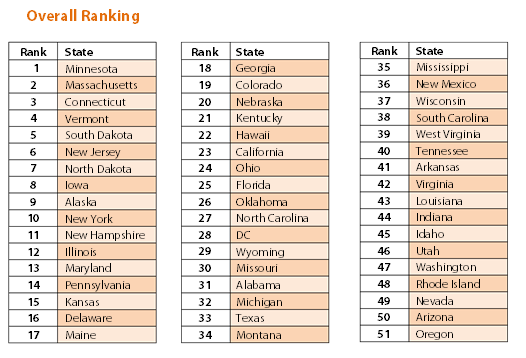
Did you know that Oregon ranks dead last when it comes to mental health care in the United States?

Overall Ranking Table

Mental Health in America reported Oregon to be dead last in an overall national ranking comparing need, access to care, and outcomes in each state. This was attributed to a high prevalence of mental illness and suicide, high rates of child maltreatment, homelessness, and low high school graduation rates. Interestingly, while ranked worst overall (51st) 48th overall for adult mental health, 49th overall for children, and worst (51st) for prevalence of mental illness, Oregon is in the top fifty percent for access to care and mental health services in the 21st spot. So while services could undoubtedly be more abundant, they are not so sparse, but needs are certainly not being met.

Do y’all remember Psych 101 and Abraham Maslow’s hierarchy? Remember the foundations that need to be present (food, warmth, rest, water, safety, & security) in order that a person may move towards self-actualization or in other words, vitality?

maslow

Let’s think about those foundations for a minute…Do you have these foundations in your life? Perhaps you have food, water, and warmth, but do you have rest? What about safety and security? Do feel safe in your relationship? Financially? At work? Do feel a threat of danger?

When a person is constantly seeking for these needs to be met, they are in survival mode. They are often in a state of hypervigilance, fight or flight, acute stress, and potentially, trauma. People can become desperate, act seemingly irrational and irresponsible, and may even resort to acts of violence or criminal behavior.

All actions may not be excusable, but I imagine in your most desperate moments, rationality, altruism, and being responsible was not on top of your priority list.

Think about homelessness, the abused child or spouse, new parents who are sleep deprived, poverty, discrimination, and financial woes. For many citizens of Oregon and beyond, the necessary foundations need yet to be fulfilled for true wellness and vitality to be possible at all.

Enter social justice.

Irregardless of how many  medications, supplements, therapies, nutrition interventions, fitness tips, etc a person may be given, if they are hungry, cold, thirsty, sleep deprived, or in perpetual danger, true sustainable progress is very unlikely if not impossible until these needs are met with consistency and predictability.

Mental health and health in general begins with these basic foundations.

Maslow’s wisdom also demands we reevaluate expectations for one another. Should we expect the same academic standards from a child in the midst of family dysfunction or abuse as we do a child coming from a safe, supportive home? If you were to be homeless, hungry, and looking for shelter, would it be fair to expect you to simply, “go get a job”, when even the most basic of logistics can be daunting? What about the new mother who is struggling to keep afloat as she navigates the transition of motherhood? Do we expect her to be joyous or can we give her grace as she might also be grieving?

I think Maslow’s logic can apply to not just individuals, but families, social groups, and even nations that may be struggling in a cycle of poverty, violence, crime, and limited opportunity.

Oregon has a lot of work to do with restoring foundations to its citizens. This is not just the responsibility of politicians and it does little to play the blame game. It is in the end, our responsibility. Being advocates for social justice and simply being kind to another goes a long way.

If you have comments about the state of Oregon’s mental health, contributing factors, etc, please feel free to add to the story!

With peace & gratitude,

Audry Van Houweling, PMHNP-BC, Owner & Founder, She Soars Psychiatry, LLC

www.shesoarspsych.com


What if I don’t have bootstraps…?

I am a country girl at heart. I crave the wide open spaces, the sagebrush, the endless views, the mountains rising up in the distance. I think about being on my horse- her hooves beating in the dust- solitude- quiet- and feeling like time stands still.

horse

Myself and my buddy since she was born 18 years ago, Sierra.

I have spent much of my schooling and career seeking these rural and rugged places out. Wyoming, Montana, Eastern Washington, the rolling hills of the Willamette Valley, and will soon be embarking to the mountain town of Sisters, Oregon.

My attraction to these places is also rooted in the mentality- the toughness, the grit, the independence, the “I don’t give a damn” attitude, think Brad Pitt in “Legends of the Fall”…(I think of him often- don’t worry my husband is completely aware of this).

Undoubtedly however, contradictory to the strength that abounds in our rural areas, suicide, depression, and substance abuse also abound throughout these places. Physical isolation, a lack of resources, poverty, and limited opportunity are all likely contributors, but so too is the same mentality that I both admire and am challenged by.

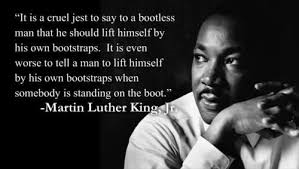
But you know as they say- when life gets tough, “pull yourself up by your own bootstraps”. Or perhaps you tell yourself something similar…”get over it”, “move on”, “put on a brave face”, “just smile”…As entitled, sometimes we just don’t have bootstraps, or as Martin Luther King eloquently explained it, sometimes someone or something is stepping on our boot:

untitled

Certainly the things we tell ourselves have their merits and there are times when “toughening it out” can build character and resilience, but trying to simply push on without support can lead to feeling desperate and alone. Depression, anxiety, fatigue, and other mental health concerns are all mediated by physiological factors, but are also often informed by our psychosocial and cultural circumstances.

The cowboy culture of “git R done” and finding your bootstraps is not exclusive to the rural parts of our country and is certainly not exclusive to only COWBOYS, ladies. Women have been expected to serve others with relentless stamina and with a smile for eons. The current façade of social media (I am guilty as charged) is not doing us many favors either.

blog2.png

blog1

How often do we convince ourselves to push aside our burdens out of fear that we not be a burden for someone else? We convince ourselves that we will be perceived as weak, vulnerable, unhinged, “crazy”. We bury our worries and our fears and often fail to recognize how this negative energy can manifest physically, psychologically, and spiritually.

The stigma that surrounds mental health has improved, but is still very much alive. Some cultural beliefs and/or religious beliefs continue to downplay or dismiss the importance of addressing emotional wellness. Seeking professional help is still something many of us feel we have to hide.

While I love my boots- how they make me feel- and when I feel like I have bootstraps, it has been the times that I have been figuratively barefoot that I have found my true strength- many times with others by my side. Sometimes you just need to ask for a pair of boots!

The struggle is real folks…but it can also lead to transformation. Let’s do our best not to hide from it and let’s intentionally check in with one another. Let’s try to avoid shaming others and ourselves. We all have our dark places, our skeletons in our closet, our demons, what have you…nobody has it all together…nobody has it all figured out…

I will let you borrow my boots if you let me borrow yours once in a while.

May you be well!

Audry Van Houweling, PMHNP-BC, Owner @ She Soars Psychiatry

http://www.shesoarspsych.com


Ladies, we are all traumatized…

Here’s to my first blog post ever! After pondering what I wanted to say, I felt compelled to write about something we all share…trauma. Uplifting? Not so much, but trauma and stress is often the launching pad from which so many chronic conditions arise and it seems fitting that we start with foundations.

That’s right ladies (and yes, men too)- I have a theory that we are all traumatized. If you you have somehow escaped trauma, congratulations, and please share your secrets. Before you call me Debbie Downer and switch to your favorite cooking blog, keep reading- it’s important.

Within conventional psychiatry and psychology, when the burden of trauma elicits a certain set of criteria from a person, they may be diagnosed with post-traumatic stress disorder (PTSD). I personally have a bit of a beef with labels we use in mental health and do not like the word “disorder”. I find it limiting and disempowering.

As I will explain a bit in this post and more extensively in the future, the symptoms that define PTSD may be counterproductive in certain situations, but are rooted in our evolution and survival instincts.

What is trauma? In my assessment, trauma can be characterized as anytime we have a perceived sense of helplessness or loss of control. It is something that has caused harm or has the perceived potential to cause harm. It can be a physical form- a person, a place, an object, or it can be a collection of thoughts, memories, nightmares. Trauma is not necessarily what happened to us, but the effect it has upon us.

Let’s consider some examples. Have you ever been in a car accident? Did you know motor vehicle accidents are the number one cause of “PTSD”? I bet you can remember certain details…perhaps it happened at a particular intersection or stretch of road, perhaps you had a certain song on the radio at the time, or you can remember the time of day, or the weather.

Have you ever felt belittled, harassed, talked down to, discriminated against? Most of us- especially women and girls have had this experience at one time or another. Maybe it was a coworker, a significant other, a stranger on the street, or a family member. Or maybe you are a survivor of sexual assault or abuse…or maybe you witnessed somebody else’s trauma… or maybe you heard about something scary on the news…you see, given all the possibilities, it is hard to imagine anyone would not be traumatized.

Do you notice the discomfort and vulnerability when walking alone? Maybe you carry pepper spray, a knife, or even a gun. Perhaps you have become really good at assessing the scene, looking over your shoulder, looking for signs of danger. Do you find yourself feeling inferior or intimidated around others (particularly men) even when you stand for equality and you know this should not be? Is it hard to look people in the eye, speak up for yourself, be assertive? You may not have actually experienced an attack or harassment, but by simply being privy to stories in the media or from someone you know, you may adopt certain behaviors in response to a potentially traumatic situation.

And then there’s the trauma of not feeling good enough and the negative self-talk that comes with it. For so many of us, we have a constant buzz within ourselves to look a certain way, meet societal expectations, lose the weight, perform in our jobs, buy the right clothes, appease our families, religious organizations, significant others, children… and all the while do it with a smile, because you know, we have to have those Facebook posts just right.

Our society breeds dissatisfaction and it seems that  us women & girls are particularly susceptible to this near-constant, hypervigilant mindset of what must I do to be better? What must I do to be on par with everyone else? Well, maybe I should get some pointers from Facebook, Instagram, etc…see how I measure up…but wait, that did not make me feel any better! This hypervigilance can be traumatic in itself as it creates the ongoing need to feel more and more in control of our appearance, reputation, and what we portray to the world. Unfortunately, this race has no finish line and we often exhaust ourselves trying to find it.

Trust me, I am entirely guilty of this- hard not to be, right? Type A personality, perfectionist, ambitious, afraid to settle…yup, all worthy descriptions of who I am. I do not have a pedestal and even if I did, I would still have my self-doubts…

Trauma is like throwing a stone into the water. There is the initial impact, but then there are the ripples…

Let’s go back to a time when you felt belittled or talked down to. If this has happened a lot in your life, you might find yourself often defensive and feel as though you have something to prove. Can you remember the person that did this to you? I imagine you remember them well. Can you remember where you were when it took place?

Can you remember the feelings of fear, anger, shame…? Have you met others that reminded you of that person, that place, or maybe you have gone further to generalize your experience to being associated with an entire group of people. Ripples…trauma builds on itself. The original trigger multiplies into more triggers and then more triggers from secondary triggers and so on.

Trauma is not something that hides out in the brain. It elicits reactions throughout every system in your body from your head to your toes. Every thought and emotion positive or negative has an associated chemical reaction that is communicated throughout our body. We will go more into this later.

Ever feel achy, sick, fatigued, nauseated in the midst of stress? Yup, a few of the not so uncommon reactions.

Going back to evolution- when we are faced with something potentially harmful or life-threatening, our natural reaction is to fight or flight. Basic survival instincts.

While this can be really helpful when you are being chased by a bear, some of us (actually a lot of us) find ourselves in a perpetual state of fight or flight driven by actual or imagined fears, threats, or circumstances. It is important to remember that events or situations that may not be perceived as “traumatic” can cause this same reaction. Having a baby, starting a new job, moving, starting a relationship are a few examples. We might feel buzzed at first- energized, enthused, but then the surge of adrenaline and other stress hormones may not sustain themselves and we feel the burden of fatigue, burn out, apathy, sadness, and even despair.

Some of us in the midst of feeling the lull, may seek out even more exciting or risky ventures that may spike our interests and adrenaline levels for a while longer before we again fall back and the cycle continues. Addictions work this way too.

You see, some of us can become so familiarized with trauma and chaos that it becomes part of our identity…our modus operandi, our comfort zone, our ego. Some of us may be conscious of this while some of us have not yet recognized it. Do you take pride in being able to juggle so many balls at once? Do you have a silent pride in being there for somebody who may be abusive, but you feel you are the only one that can help? Do you find yourself attracted to gossip and drama? Perhaps you like the thrill of a challenge and have difficulty with stillness, quiet, and slowness? Do you like danger, risk-taking, pushing the envelope? Is it harder to receive love and care then to extend it to others? If you are like a lot of us, the answer is yes, yes, and yes.

How do you identify or label yourself? Might it be that how we define ourselves and the labels we assign to who we are can also cause pain and perhaps perpetuate trauma? If we are too rigid with our expectations for ourselves and keep ourselves in a box, we are likely to be disappointed.

If we are all traumatized, we are also all on a spectrum. Some of us are in the midst of trauma right now. Some of us are struggling to overcome memories of trauma. Some of us are being overwhelmed with the news of our world today.

Ask yourself how you perceive yourself in the midst of the trauma past or present? What is your role? Victim, survivor, witness, standing on the sidelines? How do you also label the person, place, event, or thought process that perpetuated the trauma?

Language is powerful. Remember that feelings are real, but they are not always true.

Medication, supplements, fitness, and lab testing all certainly have their merits in supporting wellness, but true vitality and contentment often lies in how we perceive ourselves and others around us. It is the process of learning to trust ourselves and in doing so, be able to extend trust to others.

Be careful how you perceive yourself, how you label yourself. Be careful not to let yourself be defined with too much rigidity. Embrace fluidity. Be kind to yourself and give yourself grace. Recognize that you are not alone.

I am fascinated with the concept of resilience in the midst of trauma…I would love to hear from you how you main resilient? What keeps you grounded? Please share!

In future posts we will be discussing the physiological impacts trauma has throughout our bodies and steps we can take to restore vitality and stay grounded in the midst of our complex world! So stay tuned!

As always find out more about us at http://www.shesoarspsych.com

Be well,

Audry Van Houweling, PMHNP-BC